




 View Count:29
 Date:2026-10-26
Guitar case mould: replace the lining or dip the shell first? The growth is nearly always in the plush lining and the adhesive under it, with the wooden shell second. The cloth goes through a bath with iHeir-BJ at 2-3% o.w.f., and the shell panels are soaked in iHeir-M5 at 1:40 to a 15-20% weight gain. This article gives the level, the bath ratio and the drying requirement for both.
1. Guitar case mould starts in the cloth and the adhesive
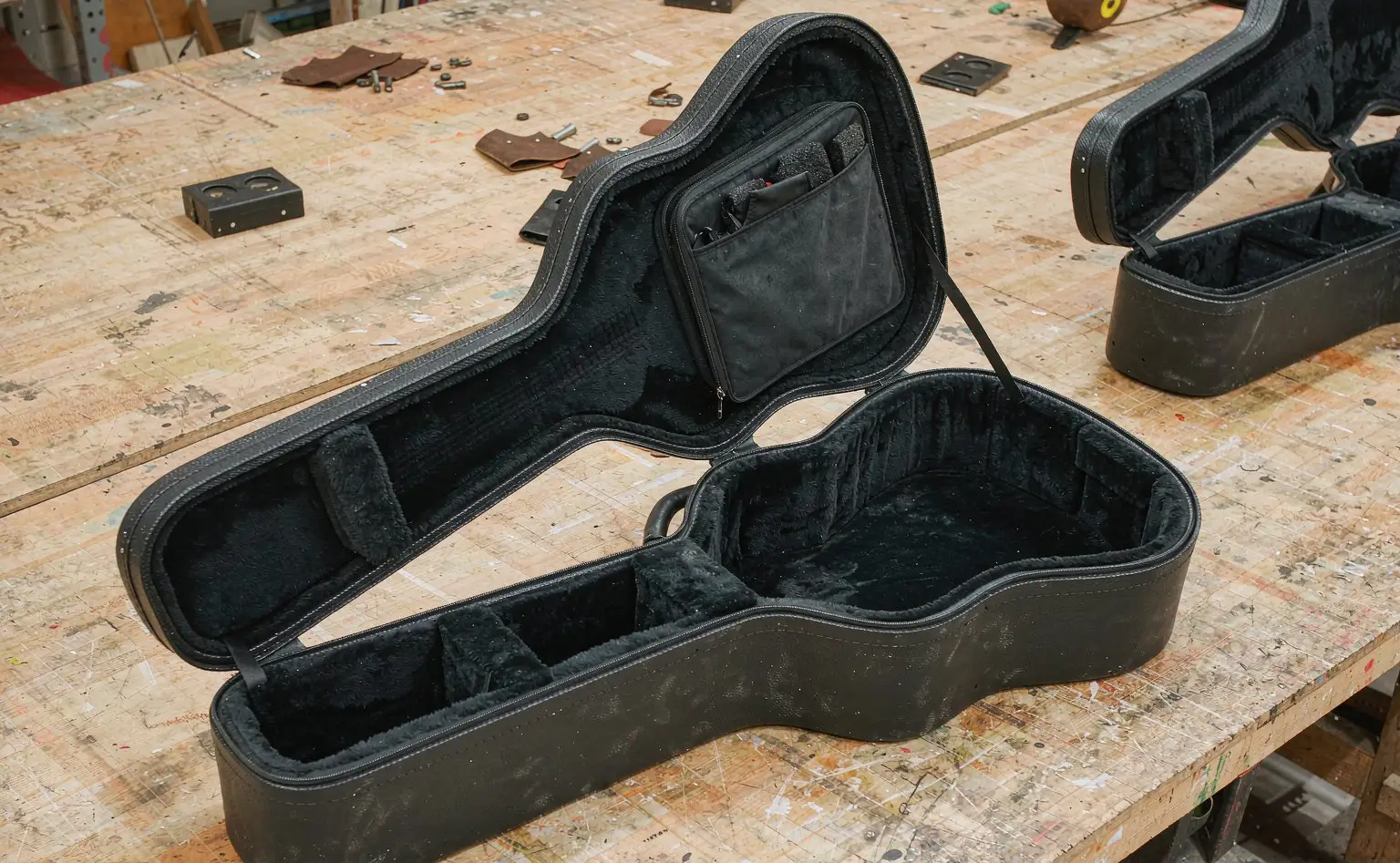
A hard-shell case is a sandwich: covering outside, a plywood or MDF shell in the middle, plush lining bonded inside, plus a neck support block and a small accessory compartment in the lid. Of those layers the plush lining is the one that blooms, because the pile has a large surface and the adhesive that bonds it to the lining board traps water.
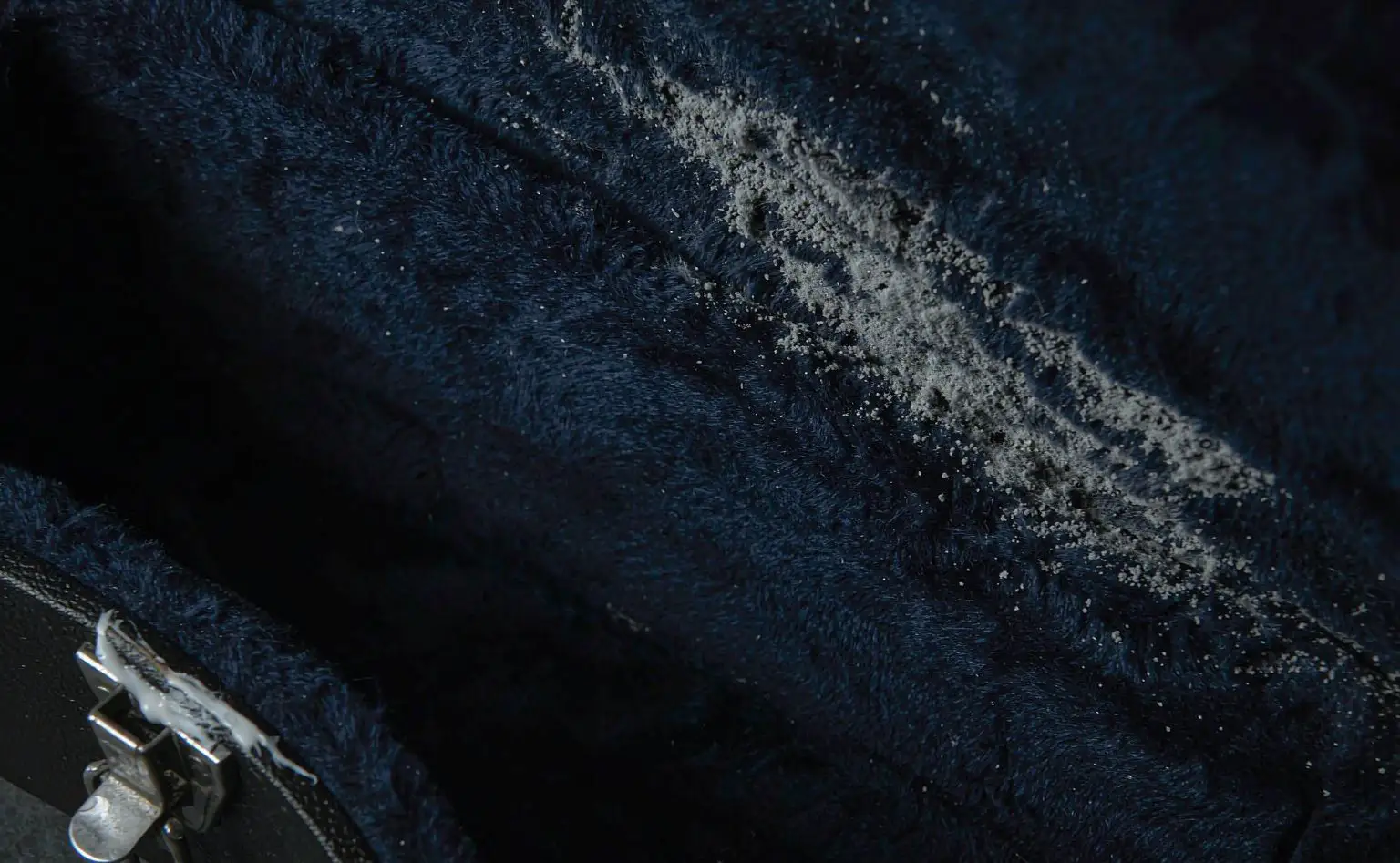
The usual progression: growth starts in the adhesive between cloth and case wall, showing as pale specks at the corners and along the neck recess where nothing presses; wiping the face leaves the back of the cloth spotted and the next batch blooms again. The second location is the plywood shell: the ends and cut edges have no coating, the board takes up moisture in the warehouse, and the mould works along the edges from inside, because the covering keeps outside water out but cannot dry water already in the panel.
So the order is replace the lining, treat the shell, then control the air inside. Dip the shell first and the wet lining is still there, so the growth returns from the pile and the dip achieves nothing.
2. Plush lining and wooden shell: two locations
The table sets out object, measure, level and acceptance for both. The lining is a textile finish, the shell is a wood soak, and the two sets of parameters do not interchange.
| Location | Material | Measure and product | Level and conditions | Acceptance |
|---|---|---|---|---|
| Plush lining | Short-pile cloth, knitted plush | iHeir-BJ in the bath | 2-3% o.w.f., 21-50C, pH 4.5-8.5 | No spots, no sour smell after finishing |
| Lining board and adhesive | Thin board plus glue | Thin adhesive, bonded dry | Touch-dry before pressing | No moisture trapped behind |
| Wooden shell | Plywood, MDF | iHeir-M5 dip | Bath at 1:40, 15-20% weight gain | Gain checked on a scale |
| Air inside the case | Closed volume with the instrument | Blown dry before the guitar goes in | No condensation inside | Open and re-check after 30 days |
| Export carton | Packed cases | Carton protection plus container control | Desiccant by carton volume | No condensation in the carton |
One boundary first: a lining that has already bloomed cannot be sprayed. A spray only mats the pile and leaves a water mark, while the mould stays in the adhesive, so the whole panel is replaced with the board blown dry. The other: the shell is dipped before the cloth goes on; bonding over a wet shell seals the water under the plush and the mould grows outward.
3. Plush lining: iHeir-BJ at 2-3% o.w.f., 21-50C
The cloth follows standard textile practice: 2-3% o.w.f. of iHeir-BJ on the weight of the cloth, bath at 21-50C, bath pH 4.5-8.5. Premix the agent in 9-13 times its weight of water, add 0.1% wetting agent, stir, then run the cloth through the bath until it is evenly wet.
Three rules to hold. Check pH first: a bath outside 4.5-8.5 gives uneven pick-up, so bring it back with a buffer before charging. No anionic auxiliaries in the same bath: BJ is cationic, and anionic softeners or penetrants flocculate it so the agent settles on the tank floor instead of the cloth. Wet pick-up separately: short-pile and knitted plush carry different amounts of liquor, so calculate the dosage for each rather than using one figure.
Finished cloth is dried before cutting and bonding. Cut panels stacked wet seal water into the case; before bonding, blow the lining board dry, apply the adhesive thin and press when touch-dry, because a thick layer is more water. Acute oral LD50 for BJ is 12.65 g/kg, in the low-toxicity range, so normal chemical handling in the workshop is enough.
4. Wooden shell: iHeir-M5 at 1:40 to a 15-20% weight gain
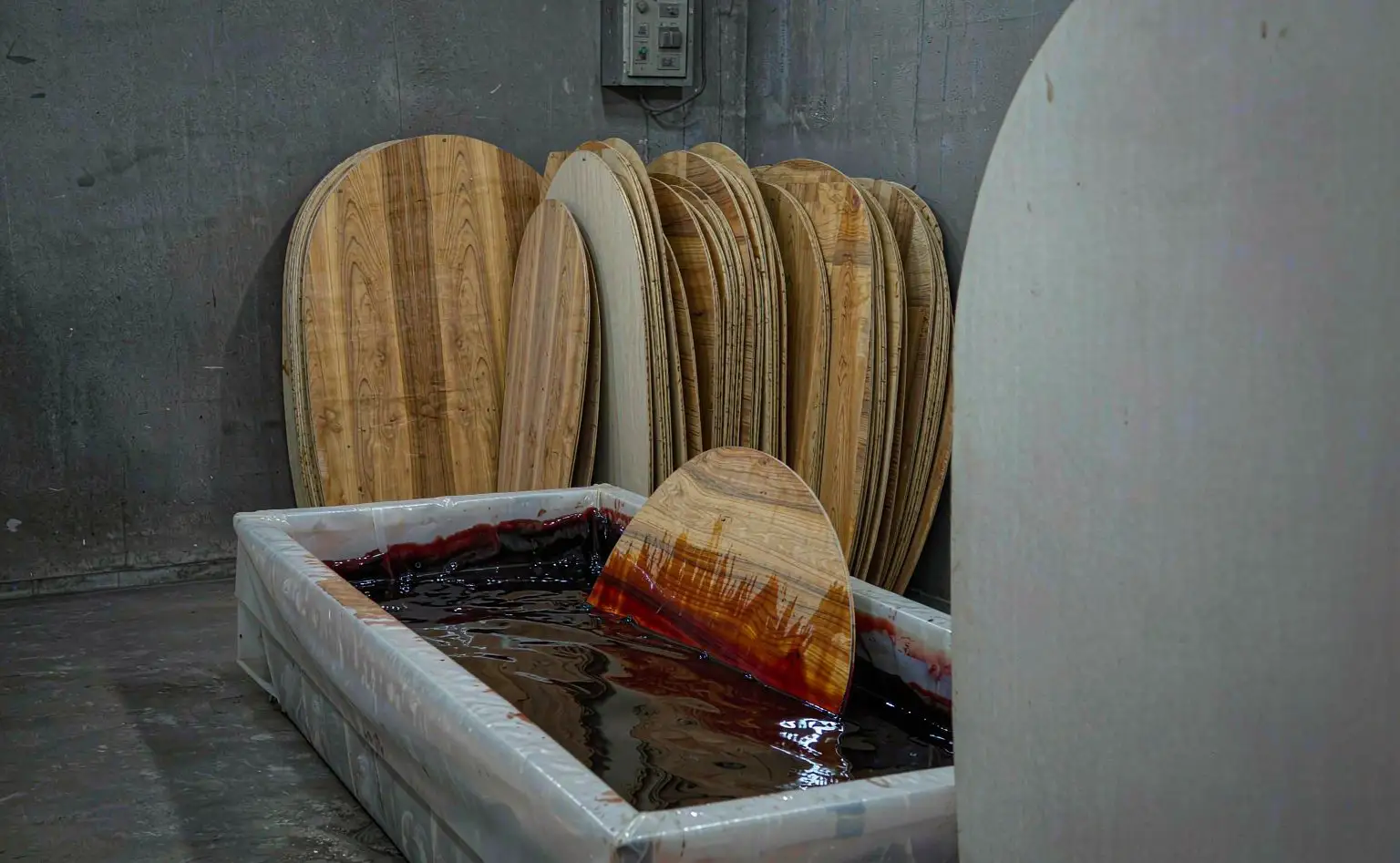
The shell takes iHeir-M5 immersion-type fungicide, mixed at 1:40, that is 5kg of agent to 100kg of water, water in first, stirred; floating matter is normal, so stir before use. Panels go fully under the surface and are brought to a 15-20% weight gain, roughly 5-10 minutes, with plywood taking up faster than MDF, so the time follows the board.
Four points from the shop floor. Plastic tanks only: M5 is acidic and the data sheet rules out contact with metal or alkaline material, so a steel tank rusts within batches and the rust water stains the panel edges beyond sanding. Cut edges down: the ends take water fastest, so they get longer in the liquor. Drain, then dry single layer: a stack keeps its middle panels wet; air-dry or sun-dry before packing. Dip before cutting where possible, because a cut made after dipping exposes new wood that has no treatment; if panels are cut first, the cuts must be dipped through.
M5 comes in 25kg drums with a one-year shelf life kept dry and out of light. Dipped panels darken slightly, so run a colour trial for a natural finish. The wider practice for bamboo and wood is in bamboo and wood preservation.
5. Bonding and drying: keep the water outside the case
With both sections treated, the bonding stage decides the outcome. The sequence runs: dip the shell, dry it through, cut, bond the lining board, bond the plush, fit hardware, pack. Water carried into any later step wastes the treatment before it.
Drying follows conditions rather than the clock. Shell: drain, dry in a single layer, and send panels to bonding only when the cuts are not damp and moisture is under the factory limit; in wet weather extend the time or force air through. Cloth: dry after finishing, then cut, and do not stack cut panels under weight. Adhesive: thin coat, touch-dry, full pressure, because a thick layer stores more water.
Packing handles the air inside the case and inside the carton: blow the cavity dry before the instrument goes in, add a sheet of anti-mould paper or a sachet, with paper grades covered in choosing anti-mould packaging paper; for export cartons, line the box and hang drying rods in the container, with the condensation side in container condensation in sea freight. On long storage orders, do not leave lids open for months: it looks like ventilation, but the plush simply keeps absorbing warehouse humidity.
6. Questions we get: growth after two weeks, spraying the cloth, and verification
The lining was replaced and the shell dipped, so why is it back in two weeks? Check three things: whether the adhesive is dry, whether shell moisture is within limit, and whether the finished case went into tight film. If any one of them is missed the water is still inside, and the mould returns.
Can the plush lining simply be sprayed? Not once it is bonded in. A spray reaches the pile but not the adhesive and leaves marks and shading, so the panel is replaced and the board blown dry.
How is the batch verified? Cloth follows the textile antimicrobial finishing test and is read for growth grade; shell timber follows GB/T 18261; the case goes through a whole-case simulation, instrument in, lid closed, boxed at 30C and 85% relative humidity for thirty days, then opened to inspect the pile, the corners and the hardware.
Four points: judge the cloth and the adhesive first and replace any spotted panel, blowing the board dry; run the cloth at 2-3% o.w.f. of iHeir-BJ, 21-50C, pH 4.5-8.5, premixed in 9-13 times water and never with anionic auxiliaries; dip the shell at 1:40 in iHeir-M5 to a 15-20% gain, cut edges down, dried flat and through; and blow the cavity dry before the instrument goes in, with humidity control in both carton and container.


