




 View Count:35
 Date:2026-09-17
Mouldy bamboo and wood in the finished-goods warehouse comes down to two failures: moisture content never held under control, and no agent dosed on the line. Rework saves the batch in front of you; leave the process parameters alone and the next batch lands in the same damp warehouse. In the warehouse, meter moisture content and sort into scrap, downgrade or rework; on the line, dose iHeir-JP as a 1:15 soak or iHeir-MA by dipping for 5-10 minutes. This article covers dosage, GB/T 18261 grading and a 30-day stock check.
1. Test moisture first: dry it before you rework it
Moisture feeds mould. Above roughly 12 percent for bamboo and 14 percent for wood, fungus colonises inside the material, and no amount of surface spraying reaches it. Use the GB/T 1931 oven method as the arbitration figure and an electrical moisture meter on the floor, at least five points per batch, always in the middle of the stack and against the walls, which are the usual offenders. In the rainy season warehouses sit above 80 percent relative humidity, and boards that left the kiln dry will pick moisture back up within a week, so measure right up to packing. Over-limit batches go back to the kiln first. Only then talk about rework.
2. Warehouse rework: three grades and the order of operations
Grade one (surface mildew): frosty growth on mats, skewers or boxes that wipes off with a soft cloth and diluted cleaner, material intact. After cleaning and drying, a fresh anti-mould coat is mandatory before the goods return to stock or ship. Grade two (shallow etching or discolouration): colour difference remains after wiping; lightly sand the bamboo skin or sand wood pieces along the grain, then re-protect. Grade three (deep growth, brittle structure): discolouration inside the material, a dull knock; downgrade to small parts or scrap, and pull the moisture and stacking records for that batch.
A bamboo products factory in northern Zhejiang found a batch of mahjong mats mouldy in May. Grading put eighty percent at grade one; those were cleaned, re-protected and back in stock within two days, grade two was sanded and reworked, grade three was downgraded to basket frames. Every reworked piece was re-protected before release, and the rest of that rainy season produced no relapse. The grading matches our mouldy board treatment plan, so you can run them side by side.
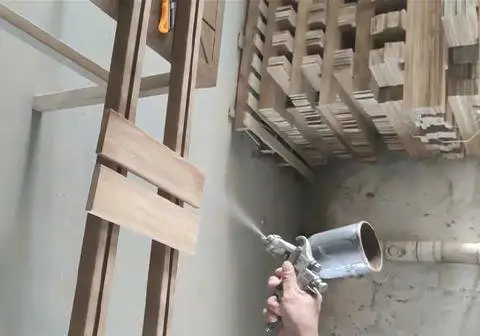
3. Dosing the line: dipping, soaking and powder, pick by product
Match the process to capacity and product form, take the dosing from the table, and run a trial before locking anything in.
| Process | Product and mix | Operation | Suits |
|---|---|---|---|
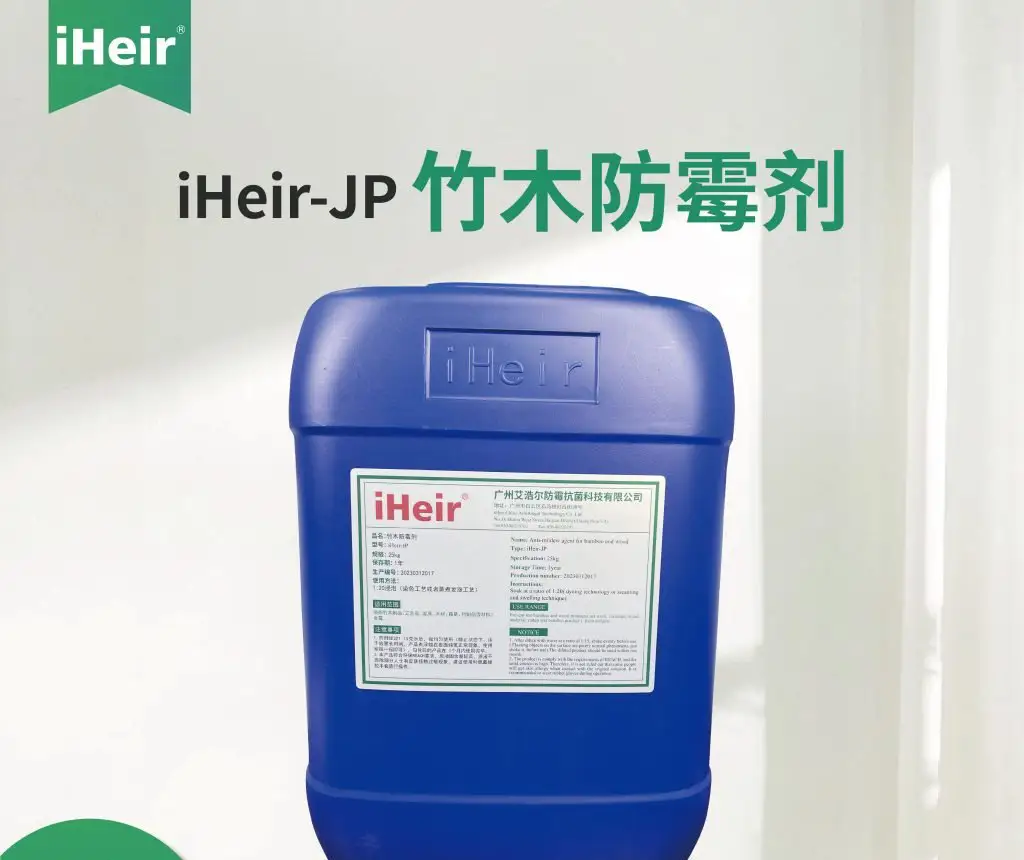
| Dipping | iHeir-JP bamboo and wood agent, 1 part to 15 parts water | Submerge fully until weight gain reaches 10-20 percent, drain, air dry or sun dry; or spray and brush at 1:10-20 with water or alcohol | Standard batch treatment of semi-finished and finished goods |
| Soaking | iHeir-MA soaking type, 1 part to 20 parts water | Soak 5-10 minutes to 15-20 percent weight gain; liquor reusable; acidic system, keep away from metal vessels and alkaline materials | Boards, strips and outdoor wood, deep penetration |
| Powder | iHeir-FT powder, mix 1:100 for hard bamboo and wood, 1:200 for loose rattan and grass, 1:500 for chopsticks | Water at 45 degrees or warmer to dissolve, soak to 10-15 percent weight gain; top up at 1:180 or stronger | Mats, chopsticks and crafts in large volume |
Dipping is the general-purpose line, powder is cheapest for small items, and soaking penetrates deepest but respect the acidic-system limits of MA. JP and MA both ship in 25 kg pails, meet REACH, and contain no DMF, sulphur or heavy metals, so export compliance reviews go through without extra paperwork. If the choice is not obvious, send us the material, piece weight and daily output, and we recommend a bath concentration and top-up interval sized from your capacity.
4. Verification: GB/T 18261 plus 30 days in the warehouse
Lab performance goes through GB/T 18261, treated and untreated samples cultured side by side and graded by mould coverage, with grade 0 to 1 as the internal requirement. For the line, use the simple comparison method: pack treated and untreated samples together, keep them in a dark damp spot for 7 to 15 days, and let the result gate any new mix. Track the warehouse for 30 days, moisture and spot checks weekly, data filed by batch. Meter moisture point by point, and anything over the line goes back to the kiln before mould shows up.

5. FAQ
Q: Dipping or spraying?
Form and capacity decide. High volume with small parts goes to dipping, where weight gain is easy to control. Large parts, assembled goods or anything that must not be soaked goes to spraying at 1:10-20 with water, evenly covered and air dried. The two coexist: dipping as the base, spraying for touch-ups.
Q: How do JP and MA divide the work?
JP is the general-purpose system at 1:15. MA is an ammoniacal copper system that penetrates deeper and resists leaching, suited to thick stock and outdoor wood, but it is acidic, so keep it away from metal tanks and alkaline materials, and shake before use.
Q: How much agent goes on reworked pieces?
Rework is surface re-protection only: one full coverage pass at the spray dilution of the matching product. Only batches returning to the bath follow the dipping weight-gain figures. Do not mix the two sets of numbers.
Q: Samples and minimum orders?
JP, MA and FT are all available as samples first; once the grade is confirmed, orders start from the 25 kg pail. For dosing, quotation and lead time, see our wood anti-mould process comparison.
Send us the material, piece weight and daily output, and we will come back with a dosing plan and samples before production. Contact us.