




 View Count:33
 Date:2026-09-19
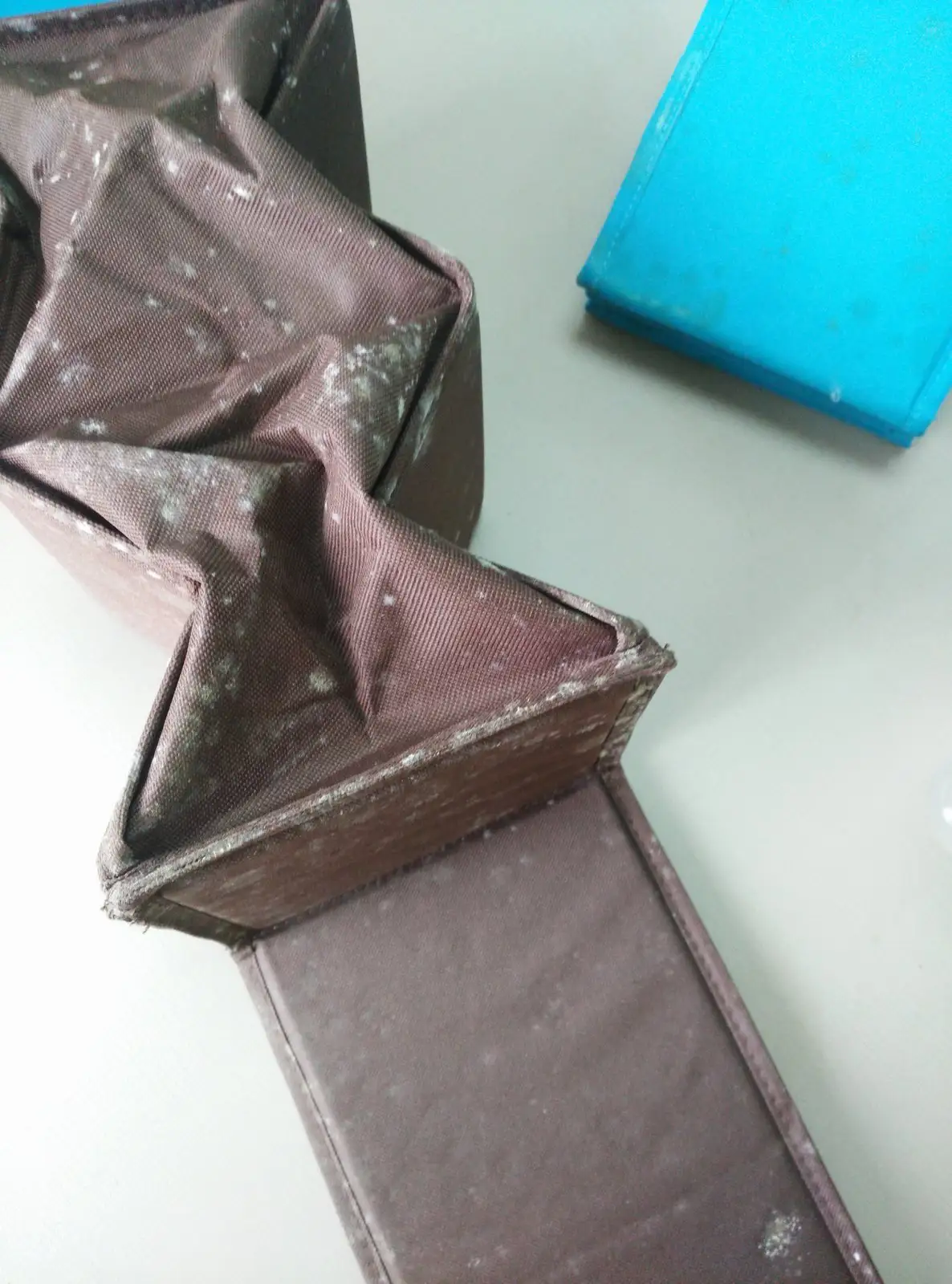
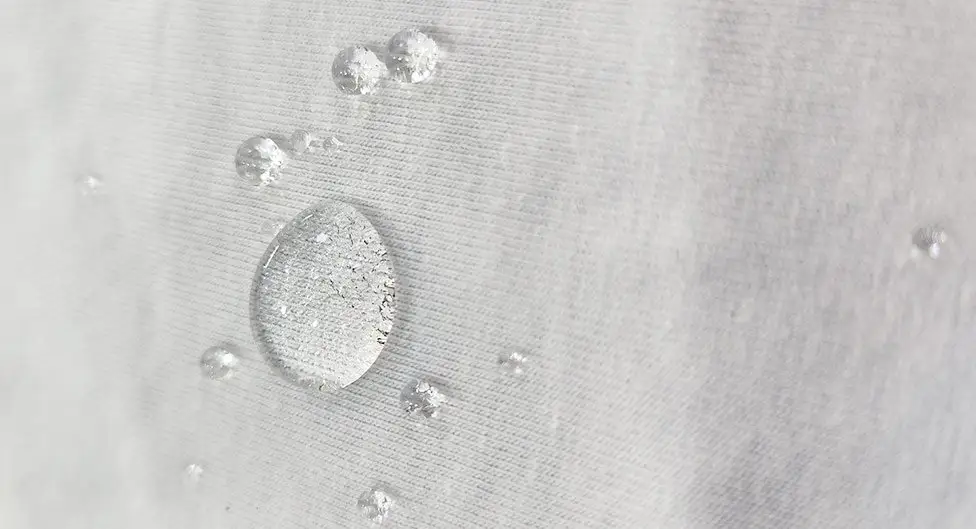
Mouldy tents and tarpaulins: how do you stop it before an export inspection rejects the lot? One container of spotted fabric means a full rework week and puts your next shipments under scrutiny. Finish the fabric in one pass: iHeir-BJ textile mildew inhibitor at 2-3% owf by pad-bath gives over a year of protection, and iHeir-666 triple-protection finishing keeps water beading off the cloth. This article covers the cause check, bath compatibility and dosing, plus the two acceptance tests buyers ask for.
1. Find the failing step: warehouse moisture or under-cured finishing
Mould on tarpaulin rolls usually traces back to the finishing line, not just the warehouse. If the curing pass is short, the repellent layer never sets, the measured repellency fades, and the roll picks up moisture from the floor or the container air. Warehouse-side causes are more direct: damp floors, condensation on top layers, container rain at sea. The diagnosis is simple: spots concentrated on the outer wrap and the bottom plies point to storage moisture; spots spread evenly inside the roll point to insufficient curing or uncontrolled wet pickup. Storage causes call for better packing and pallet handling; curing causes must be fixed on the line, because re-cleaning alone only buys you one shipment.
Pull the receiving records as well: mixed batches with different residual moisture, rolls stacked without cooling gaps in the rainy season. Those records are your evidence in a claim and your first clue in an investigation.
2. One line, two passes: BJ padding followed by 666 impregnation
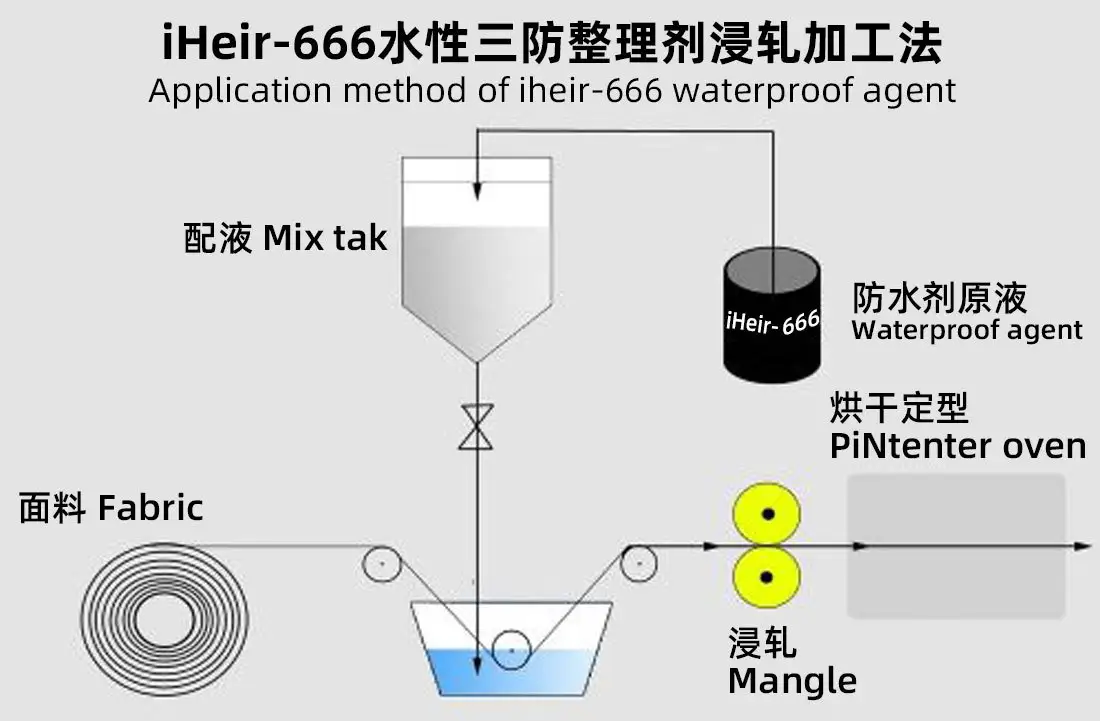
Anti-mould and repellency sit naturally on the same finishing line, but never share a bath by default. iHeir-BJ is cationic and must not be mixed with anionic agents; iHeir-666 requires a compatibility pre-test whenever crosslinkers or wetting agents share the recipe. The safe sequence is two passes. Pass one, BJ by pad-bath: 2-3% owf, bath 21-50 degrees C (ideally below 48), pH 4.5-8.5 (ideally about 6) on soft water; pre-blend the BJ stock with 9-13 times its weight of water, feed it into the bath in portions, run the cloth through to full wet-out, control pickup on the mangle, then dry. Pass two, 666 impregnation: one dip one nip, pre-dry at 110-130 degrees C, then cure at 170 degrees C fabric temperature for 60 seconds on the stenter. Curing must be complete, otherwise the protection reads well in the lab and fails in the warehouse.
Protection length follows the dose: BJ at 2% owf holds mould protection for over a year, at 3% for two to three years, so long-cycle export stock should run at 3%. Verifying that the antibacterial layer is actually on the fabric takes two minutes with the bromophenol-blue water test, no lab report needed.
3. Dosage and process window in one table
Three products, three positions, one table:
| Product | Line position | Dosing | Key process window |
|---|---|---|---|
| iHeir-BJ textile mildew inhibitor | Pad-bath, pass one | 2-3% owf | Bath 21-50 C, pH 4.5-8.5, soft water; no anionic agents in the same bath |
| iHeir-666 water repellent | Pad and cure, pass two | Polyester 8-20 g/L, poly-cotton 20-50 g/L, cotton 30-50 g/L | Pre-dry 110-130 C, cure 170 C fabric 60 s; use the bath within 12 hours |
| iHeir-600 oil-based waterproofing agent | Spray touch-up on finished pieces | 10-12 g/sq ft after dilution | Two cross passes, dry at ambient or in an oven; flash point -4 C, no open flame |
Set the 666 concentration by fibre: synthetics take less, polyester at 8-20 g/L already scores full marks on spray repellency, and 30 g/L adds an oil-repellency rating of 6.5; cotton is thirsty and needs 30-50 g/L. The cure is what buys the durability, not the dip, and shortening it is the most common cost cut that turns into a wet-season claim.
3bis. Where iHeir-600 fits: pieces that cannot go through water
Not every order can take a wet pass. Size-alteration offcuts, adhesive-backed tarpaulin and rush orders where the customer only wants the face side treated will delaminate or bleed in a bath. Those pieces take iHeir-600 oil-based waterproofing agent: dilute in ethyl acetate, acetone or heptane, spray two cross passes at 10-12 g/sq ft after dilution, and dry at ambient or in an oven, with no soaking and no stress on the existing coating. It also repels oil and stains, which suits site tarpaulins that live in dust and grease.
Solvent work carries three rules: ventilate with extraction, keep open flame away (flash point -4 degrees C), and test a hidden spot on dyed cloth before spraying the batch. If a finished piece also missed the anti-mould pass, iHeir-BJ has a compatible surface route for touch-up; contact us with the fabric spec rather than copying the bath concentration.
4. Two acceptance tests and the samples to keep
Prepare for inspection on two fronts. Repellency: re-test the finished cloth with a spray rating after curing; at the recommended 666 loadings, 5 g/L already scores full marks, so series batches normally pass first time, and oil-repellency ratings are reported where the buyer asks. Mould resistance: the grading system is covered in our textile anti-mold agent buying guide, reports travel with the batch, and last batch’s report does not cover this one. The outdoor-garment side of the topic, jackets included, is covered in our tent and jacket fabric finishing guide; the pad-mangle parameters there are the same ones used here.
Keep two samples per batch: finished cloth and untreated greige, sealed until the buyer accepts the goods. Tarpaulin is long-cycle stock and buyers often open the container a month or two after arrival; without matching samples the moisture responsibility is unprovable. Packing adds one more layer: desiccant inside the roll, wrapped pallets, and container drying bars at 8-10 per 20-ft box, as set out in our waterproofing agent guide and the container anti-condensation posts.
5. FAQ
Q: Can BJ and 666 really share one bath to save a pass?
BJ is cationic and 666 recipes often include anionic auxiliaries, so co-bathing risks precipitation; the product pages require a compatibility test before combining agents. To save the pass, send fabric samples for a co-bath trial and only scale up once neither repellency nor mould protection drops.
Q: Does 3% BJ change the hand feel or moisture uptake?
BJ contains silicone and can reduce wicking on moisture-management fabrics, which need an extra 0.1% cationic hydrophilic agent to compensate; tarpaulin and shading cloth show no obvious change. Run a small trial on any wicking-sensitive fabric.
Q: Can a mouldy batch be saved?
Clean first, re-protect second: spray the spots with mould remover, dry, confirm the coating is intact, then re-run the two-pass finishing from this article; batches where mould has attacked the coating are downgraded. Volume rework can be supported with on-site service.
Q: How do samples and orders work?
BJ, 666 and 600 are all available as samples; send fibre content, weight and the buyer’s test scope, and we return bath concentrations and curing parameters, then quote per drum. Contact us.