




 View Count:68
 Date:2026-09-30
Where does coated glove mould start, the knit liner or the latex dip? In most rework cases it is the liner: cotton yarn takes up moisture within days, and the porous structure of a foamed latex layer traps water as well, so a batch that goes wrong at both points is a full rework. Pad the liner with iHeir-BJ textile anti-mould agent at 2%-3% o.w.f., and dose the foam compound with iHeir-FP foam antimicrobial agent at 0.5%-1.5% on foam weight. This article covers both stages, the bath conditions and the figures.
1. Where the mould on a dipped glove comes from
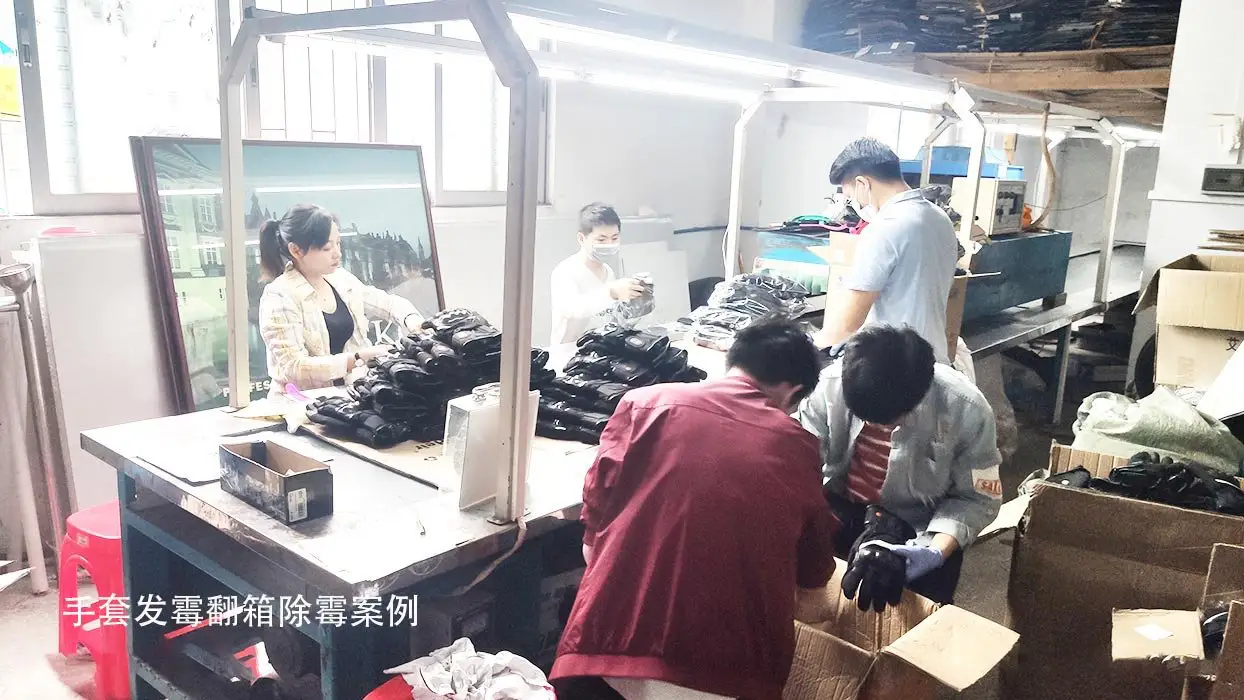
A dipped glove has two layers. The inside is a knit liner, usually cotton, cotton-polyester or nylon; the outside is a dip coating, commonly natural latex, nitrile or styrene-butadiene, and a foamed latex coating is porous like a sponge. Neither layer moves moisture out, and once the goods are bundled the layers sit against each other, so any water left between them stays there.
Either layer can be the starting point, and the read is different. When the liner is the problem, spots appear first at the finger webs, the cuff rib and the back of the liner: cotton yarn is the most hygroscopic material in the glove, and the sizes and softeners left from finishing are ready food for mould. Tear the coating back and a liner that has gone dark in patches belongs to this group. When the coating is the problem, spots sit on the surface and inside the pores, which is especially clear on a foamed latex, and there is a heavy musty smell. The two need different actions: the liner stage has to build protection into the fibre, and the foam stage has to build it into the compound. Do one and the other becomes the next failure.
2. The two dosing points at a glance
The table lists the stage, what is treated, the product, the figures and the points to watch, as a first draft of a process card.
| Stage | Treated part | Product | Figures | Points to watch |
|---|---|---|---|---|
| Liner stage (main line) | Cotton, cotton-polyester, nylon knit liner | iHeir-BJ textile anti-mould agent | Pad at 2%-3% o.w.f. | Bath 21-50 degrees, pH 4.5-8.5; soft water, pre-mix with 9-13 times water; cationic, never in the same bath as an anionic agent |
| Foam compound stage | Foamed latex and the foam system | iHeir-FP foam antimicrobial agent | 0.5%-1.5% on foam weight | Add at the compound make-up stage and stir before foaming; run a compatibility sample with the foaming aids |
| Curing and drying | Formed gloves | Process control | Set by the line temperature curve | Drying lowers moisture content, it does not prevent regrowth; packing wet is the usual root cause |
| Finished-goods store | Cartons of gloves | Humidity control, first in first out | Store below 60% relative humidity | Off the floor, away from the wall, first in first out, no pending batch against an outside wall |
| Packing | Full cartons | Packing control | Set by batch and voyage | Confirm the gloves are cool and back to spec before the carton is sealed |
| Retained sample check | Finished goods and batch sample | Test to the contract scope | Keep one sample a batch | Hold at 28 degrees and 85% humidity for 7 days and read the liner back and the coating pores |
Six rows, one conclusion: the liner stage protects the fibre, the foam stage protects the coating, and drying and storage only hold the moisture content and the humidity. They cannot replace the first two.
3. The liner stage: setting iHeir-BJ at 2%-3% o.w.f.
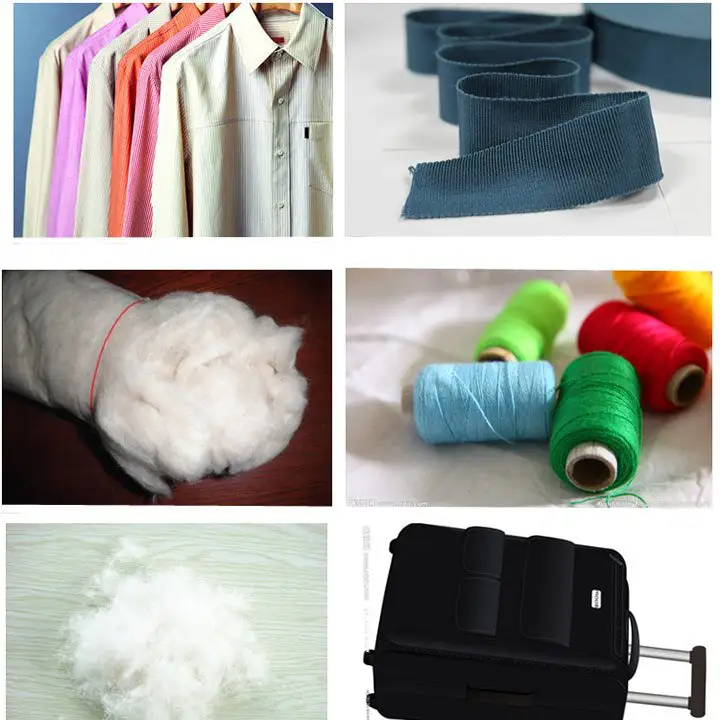
The liner is the one place where the protection can be built into the fibre. iHeir-BJ textile anti-mould agent is applied by padding at 2%-3% o.w.f., with the bath held at 21-50 degrees and the working liquor at pH 4.5-8.5, ideally around 6. Mix with soft water, pre-mix with 9-13 times its volume of water before it goes into the bath, hold the wet pick-up at 70%, then dry on the normal route.
Four things belong in the process card. First, BJ is cationic, so it must not share a bath with an anionic softener, fixing agent or any other anionic auxiliary; they cancel each other and can precipitate out. Where a soft finish is also needed, run the two separately with a rinse between them. Second, the figure is on dry fabric weight, and glove liners are light, so estimating from bath volume multiplies the error. Third, cotton liners are strongly hygroscopic, so whether to take the top or the bottom of the range depends on the end use and the storage period; long-stock and export orders take the top. Fourth, write the loading, the bath temperature, the pH and the wet pick-up into the process card, supply the finish record by batch, and grade the result on mould growth. The finishing approach is set out in mould prevention for Keqiao fabrics.
4. The foam stage: dosing iHeir-FP at 0.5%-1.5%
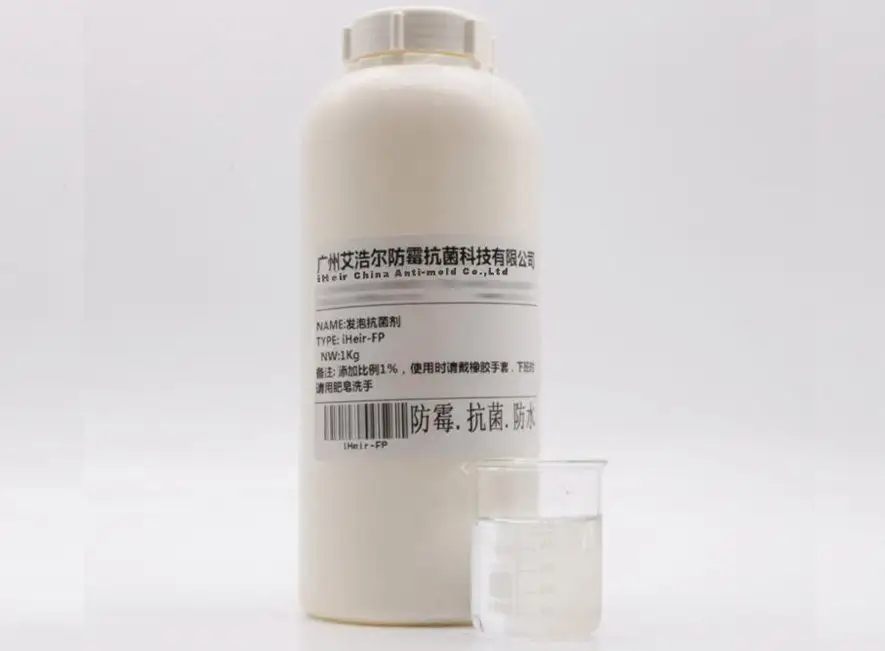
The foamed latex layer is the second point. iHeir-FP foam antimicrobial agent goes in at 0.5%-1.5% on foam weight, at the compound make-up stage and stirred in before foaming starts; add it late, just before foaming, and the concentration will be uneven, leaving patchy spots inside the film once cured. A foam system carries many auxiliaries, so run a small sample first to confirm compatibility, the blow ratio and the coating appearance.
Whether to take the top or the bottom of the range depends on the coating thickness and how long the goods will be stored. Thin coatings take the lower figure; thick coatings, high blow ratios and porous sponge layers take the higher one. Note that protecting the coating does not remove the need to treat the liner: the liner covers the fibre and the coating covers the film, and whichever stage is missed is where the mould starts.
5. Store and packing: holding what the first two stages built
Once the two dosing points are right, the store still has to be held. Keep the store below 60% relative humidity, run the dehumidifier through the wet season and log the curve, load cartons off the floor and clear of the wall, run first in first out, and never stage a pending batch against an outside wall. Cartons should only be sealed once the gloves are cool and back to spec; packing hot or damp is the most common cause of rework on dipped gloves.
The acceptance rule matters as much. A fresh sample passing does not mean the stacked goods will. Keep one sample a batch and hold it at 28 degrees and 85% humidity for 7 days, reading the liner back and the coating pores, which are the two places that fail first. The liner and the coating are different materials, so the test sample has to cover both layers or the conclusion will be biased.
6. Questions that come up
Can the liner be treated on its own? It is better not to. Foamed latex is porous and holds water on its own, so a glove treated only at the liner moves the problem into the coating; treat only the coating and the cotton liner takes up moisture and grows mould just the same. Both stages together are what closes the loop.
Can iHeir-BJ share a bath with a softener? No. BJ is cationic and an anionic softener in the same bath cancels it out and can precipitate. Run the soft finish as a separate bath with a rinse in between, then dry.
Will the foam agent change the blow ratio? At the recommended loading the effect is small, but a foam system carries many auxiliaries, so confirm the blow ratio and the coating appearance on a small sample before running the full batch.
Coated glove mould has two clear points: pad the liner with iHeir-BJ at 2%-3% o.w.f., holding pH 4.5-8.5 and keeping it out of any anionic bath, and dose the foam compound with iHeir-FP at 0.5%-1.5% on foam weight at make-up, with the store and the packing holding the moisture and the humidity. Samples and TDS sheets are available, and we are glad to run a trial on your line.


