




 View Count:66
 Date:2026-10-06
How is paper straw mould best handled before a batch reaches the buyer? A paper straw is rolled from several layers of paper, and the spots usually start at the rolled mouth and the seam, where a wipe on the surface cannot reach the inner layers. Treat the furnish with iHeir-BCA paint mould-proof powder at 0.5%-0.75% of the dry weight in the mixing stage, and hold the packing with iHeir-D at 0.1-0.2 gram per sheet. This article covers the pulp powder, the coating line and the packing, with the figures.
1. Where the mould comes from: the rolled mouth and the seam start first
A paper straw is a paper article rolled from several layers of base paper, bonded and cut to length, and paper is cellulose, so it takes up moisture between the fibres and feeds mould. Two places spot first, and they are always the same. One is the rolled mouth, the cut at each end, where the cut fibres are exposed and take up moisture fastest. The other is the seam, the line where the layers are pressed together, where the water-based adhesive and the paper layers hold moisture most readily.
An outer film coating blocks some water, but it does not block the damp that comes through the cut end and the inner layers. With the goods packed, shipped and stored for a long time, moisture works in between the paper layers and cannot get out, so when the buyer opens the carton the rolled mouth has darkened in a ring and the seam shows spots, and one mouldy straw means the batch has to be picked through.
So the route has two lines: one in the pulp, so the fibre itself carries inhibition, and one in forming and packing, so the rolled mouth, the seam and the store are held. The pulp line decides whether the inner layers have any protection at all, and the forming and packing line decides whether that protection survives.
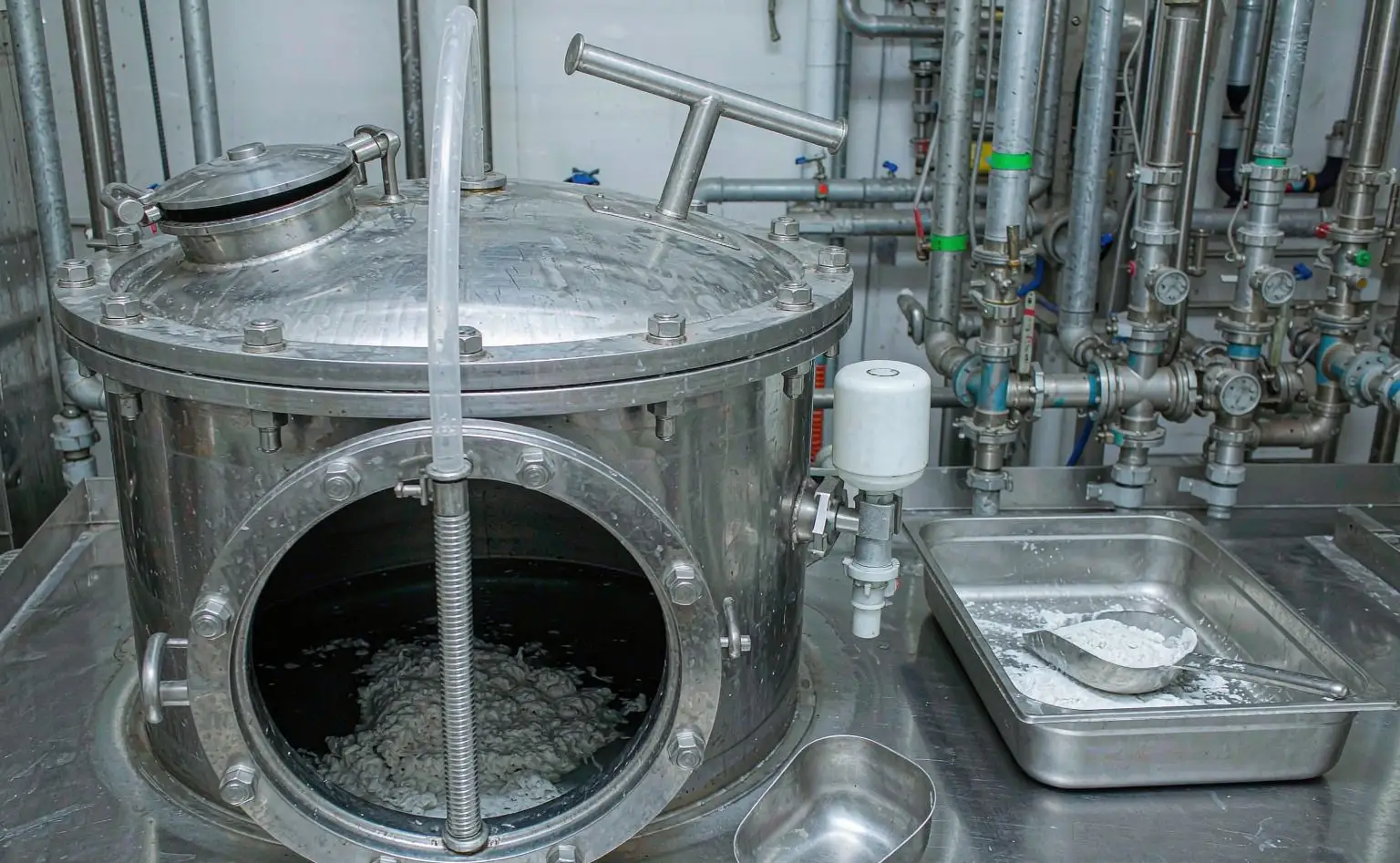
2. The two lines at a glance: the pulp powder, the film, and the packing
Four stages sit on this page, and each answers a different question: whether the fibre carries protection at all, whether the outer face is sealed, whether the air in the carton is held, and whether the store keeps what the first three built.
| Part or stage | Stage | Treated item | Product | Figures | Points to watch |
|---|---|---|---|---|---|
| Pulp or dry-powder blend | Mixing | Furnish | iHeir-BCA paint mould-proof powder | 0.5%-0.75% of the dry weight | Works at pH 5.0-10.0 and resists alkali; particle size 4-30 micron, blended with the dry powder |
| Rolling and cutting | Forming | Rolled mouth and seam | Control only (no agent) | By the process settings | Forming adds no agent, and the cut end and seam are what take up moisture later |
| Outer film coating | Coating | Outer paper face | Control only (no agent) | By the coverage rate | The film blocks outer water, not the cut end or the inner layers, and cannot replace the pulp line |
| Finished packing | Packing | Air inside the carton | iHeir-D gas-phase antimicrobial and mould inhibitor | 0.1-0.2 gram per sheet | Placed by carton, kept apart from the straws by liner paper; run alongside humidity control |
| Finished-goods store, sea freight | Stacking, full container | Air in the stack and the box | Humidity control only | Below 60% relative humidity | Bring the moisture of the straws down before packing; condensation inside the box is the ignition point |
The rows do not substitute for one another. Pulp powder protects the fibre and cannot seal the outer face; the film seals the outer face and cannot reach the cut end; a gas-phase sheet holds the air in the carton and does nothing for a pack left open; humidity control preserves the rest and cannot repair a batch that went in damp.
3. The pulp line: BCA at 0.5%-0.75% of the dry furnish
The pulp line is completed at the blending and mixing stage. Add iHeir-BCA paint mould-proof powder at 0.5%-0.75% of the dry weight of the furnish, put in and blended during the mixing stage of powder production. It works at pH 5.0-10.0 and resists alkali, its particle size is 4-30 micron, it disperses evenly, and the content is above 97%. The addition can be adjusted to the product and the conditions it will meet.
Three details. First, the figure is on the dry weight of the furnish, not the finished weight and not the number of straws, and the three denominators cannot be moved around. Second, the addition point belongs to the mixing stage, blended with the other powders; adding it after forming gives no blending at all, which means local over-dosing and general under-protection. Third, run a small sample to check inhibition and paper appearance, confirming there is no dusting and no effect on rolling and stiffness, before full production.
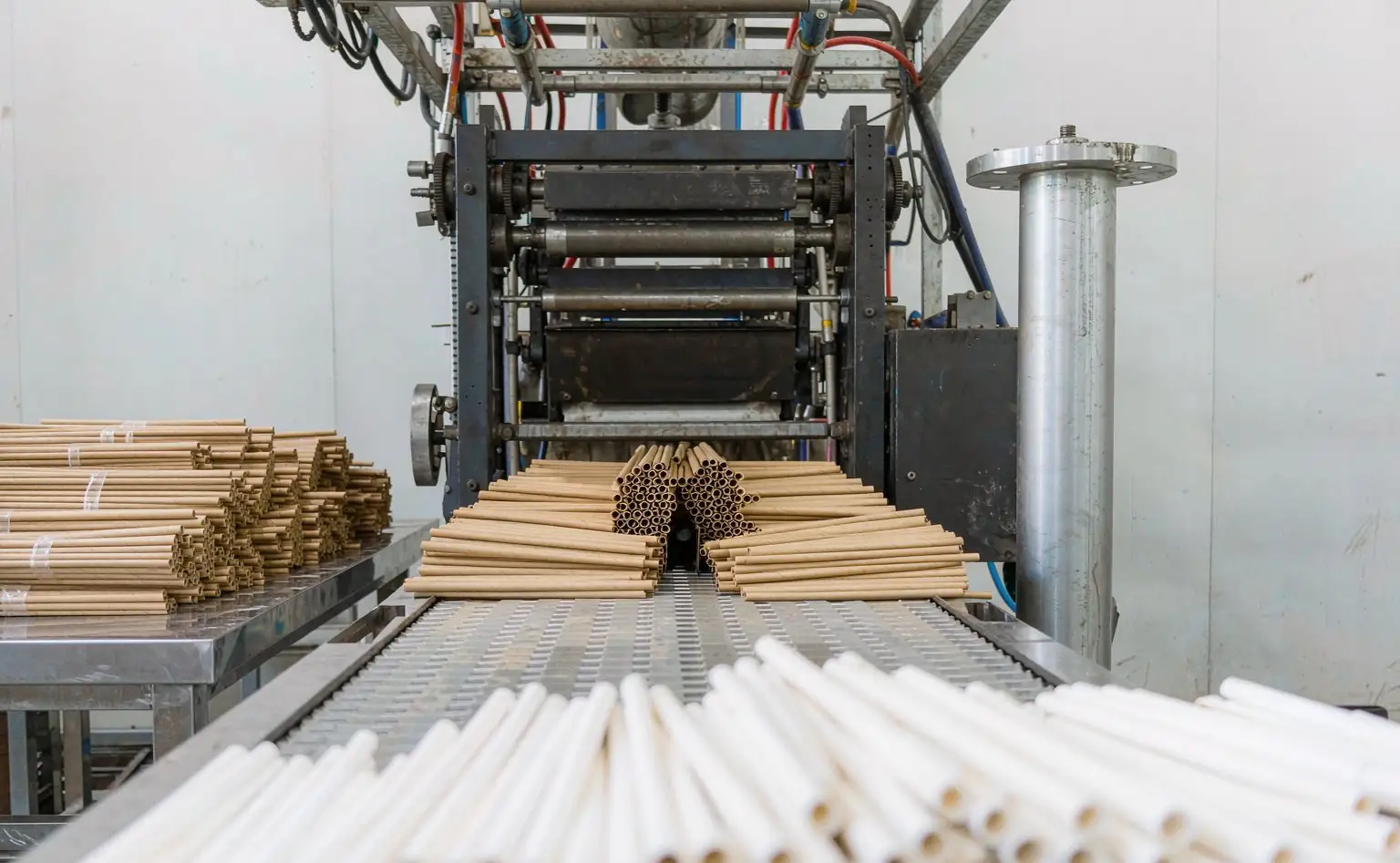
4. The coating line: the film is a barrier and a test
An outer film gives the straw a layer against water, but its limits should be stated: it blocks water on the outer paper face, not the damp that comes through the cut end and the inner layers, and not the rolled mouth and the seam. The film is a barrier, not the whole of mould control, and the pulp line still has to be done.
This stage also brings two variables. One is temperature: too high a coating or drying temperature affects the stability of the paper layers and the adhesive, which in turn helps mould along. The other is coverage: an uneven coating is a weak point, so acceptance is by coverage rate rather than by flat appearance alone. Set the film thickness and temperature to the equipment and the paper grade, and do not use the coating to replace the pulp additive.
5. Packing and the store: iHeir-D gas-phase sheets by stack
The packing line is the last safeguard. Finished straws are stacked tight and the air in the carton does not move, so ventilation will not carry moisture out of the core, and a gas-phase product suits the job: have iHeir-D gas-phase antimicrobial and mould inhibitor made up as sheets or sachets and place them by carton or by stack, each carrying 0.1-0.2 gram, so the vapour spreads into the gaps and holds down mould and yeast. See mouldy export cartons after shipping for the rework side.
Three points to watch. First, the sheet has to stay separated from the paper goods by liner paper, not pressed onto the straws. Second, it works on the air in the carton, so the pack has to be reasonably closed; left open it does nothing. Third, iHeir-D can fade some printing inks and dye-sensitive materials slightly, so run a compatibility test at three times the normal loading on a new colourway first.
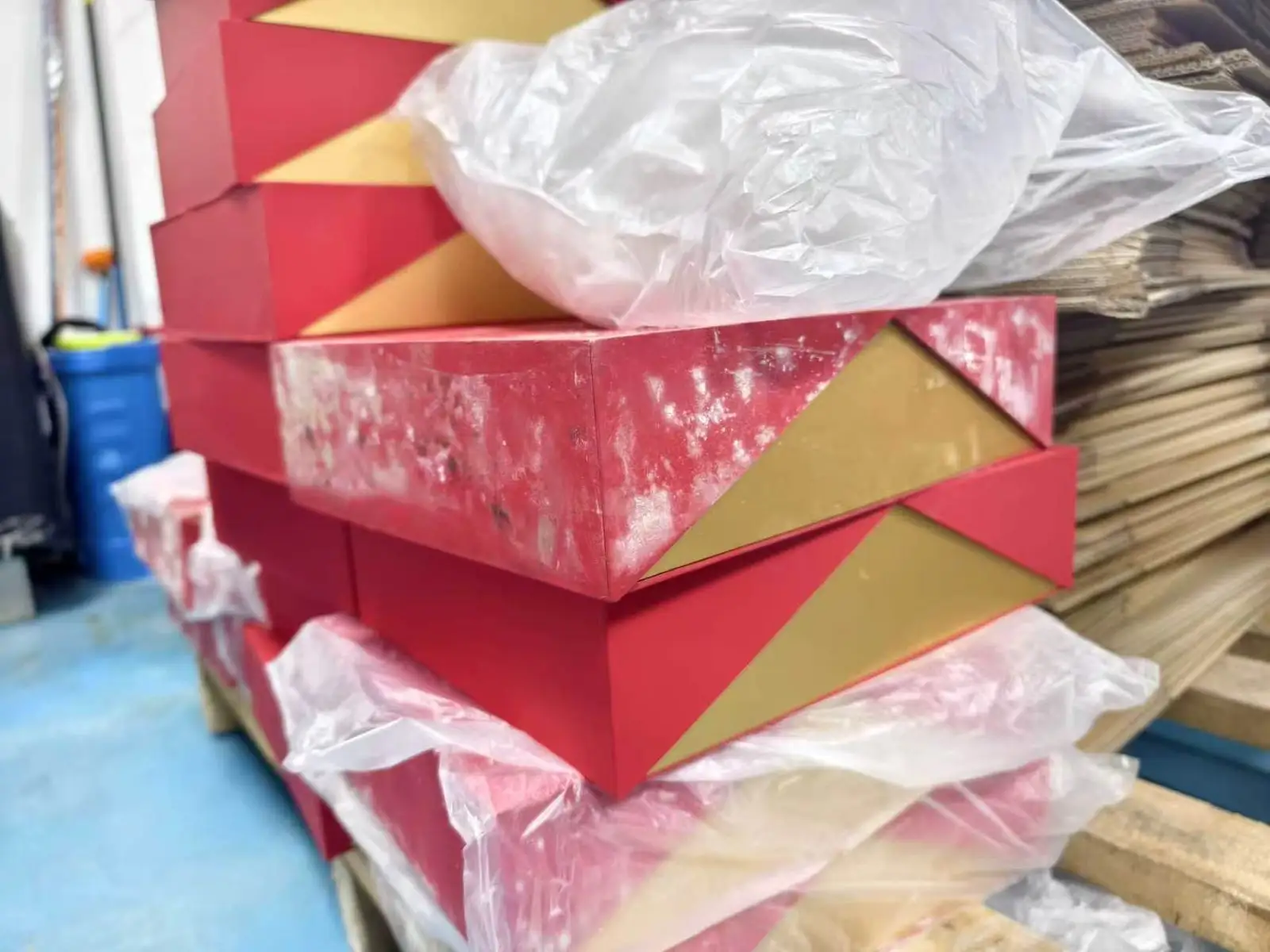
6. Three layers, three failure modes: base paper, adhesive, film
A straw fails in one of three places, and the layer tells you which. Base paper failing shows as an even darkening and a musty smell through the wall, with spots spreading from the cut ends: the fibre itself had no protection, so the pulp line was missed or dosed on the wrong basis. Adhesive failing shows along the seam, a line of spots or a stain following the glue line, because the water-based adhesive is the wettest place in the roll and the hardest to dry. Film failing shows as a dull, bloomed outer face that takes water without absorbing it, usually where coverage is uneven.
Reading a complaint is therefore a matter of where, not how much. Spots at the mouth and the seam with a sound outer face point at the pulp and the drying. Spots under an intact film point at packing, because the water arrived after the straws were boxed. A batch that spots only in the middle of a pallet points at the store, not at the line. Sorting the complaint this way keeps the fix on the stage that caused it instead of adding powder everywhere.
The line has one further constraint that the pulp figure cannot solve: straws are rolled from several plies and bonded wet, so whatever the powder does in the furnish, the moisture left in the roll has to leave before packing. A straw packed at the wrong moisture will spot even at the top of the dosing range, which is why the packing stage is judged on dryness and closure rather than on appearance.
7. Questions that come up: dropping a line, the basis of the figure, adding after forming
Can the film replace the pulp line? No. The film blocks water on the outer face, while the cut end and the inner layers have no protection and the rolled mouth and the seam still spot; the other way round, pulp only and no film leaves the cut end more exposed, and the two jobs cannot be dropped.
What is the 0.5%-0.75% figured on? On the dry weight of the furnish, not the finished weight and not the number of straws; change the recipe or the paper grade and the figure is recalculated on the new dry total.
Can powder be added after forming? No. After forming there is no way to blend it, so the powder lands locally, which means over-dosing in one place and no protection in another, and it affects appearance and rolling quality. The protection goes in with the dry powder at the mixing stage.
Two dosing points and two controls make the page: iHeir-BCA at 0.5%-0.75% of the dry furnish, blended at the mixing stage where pH 5.0-10.0 and a 4-30 micron particle size let it disperse, and iHeir-D sheets at 0.1-0.2 gram per sheet in a closed carton, kept off the goods by liner paper. Around them sit the coating coverage check and the store humidity. Long-term growth is checked by a method such as GB/T 24346 or ASTM G21, with a retained sample per batch.


