




 View Count:15
 Date:2026-09-14
In silicone customer complaints, “moldy” and “smelly” almost always arrive together: black specks on a sealing ring after a few months, a keypad that turns tacky, a kitchen silicone tool that keeps a rancid smell no matter how often it is washed. Many plant managers blame silicone quality first, but in most cases the real cause is simpler — the compound was never designed with antimicrobial protection, and silicone happens to be exceptionally good at adsorbing oils. This article walks through the cause, then the three product lines — HTV solid rubber, liquid silicone rubber (LSR), and foamed silicone — with dosages, mixing sequences, cure windows and testing criteria you can apply directly in your own workshop.
Why Silicone Grows Mold and Smells
Silicone itself — the poly siloxane backbone — is not food for fungi. The trouble lives on the surface and in the additives. Three causes explain more than ninety percent of complaints. First, adsorbed oils and skin sebum: silicone has low surface energy and repels water, yet it strongly binds oily soils. Gaskets, watch straps and keypads that touch skin or grease daily slowly build an organic film on which mold grows faster than on most plastics. Second, cure residues: peroxide-cured parts keep decomposition byproducts — benzoic-acid derivatives among them — that serve as nutrients in humid conditions, which is why under-post-cured parts smell worse. Third, formulation components: some release agents and tackifiers contain long-chain fatty acid esters, a ready carbon source for fungi.
The consequences go beyond appearance. In export orders, moldy silicone counts as a hygiene defect; container rejection and compensation claims are routine. For kitchen and baby-care silicone, failing a bacterial count audit means delisting from retail channels. We covered the general prevention logic in our silicone anti-mold guide and the silicone-and-rubber selection guide; here we focus on the process side.
HTV Solid Silicone: How to Add and How Much
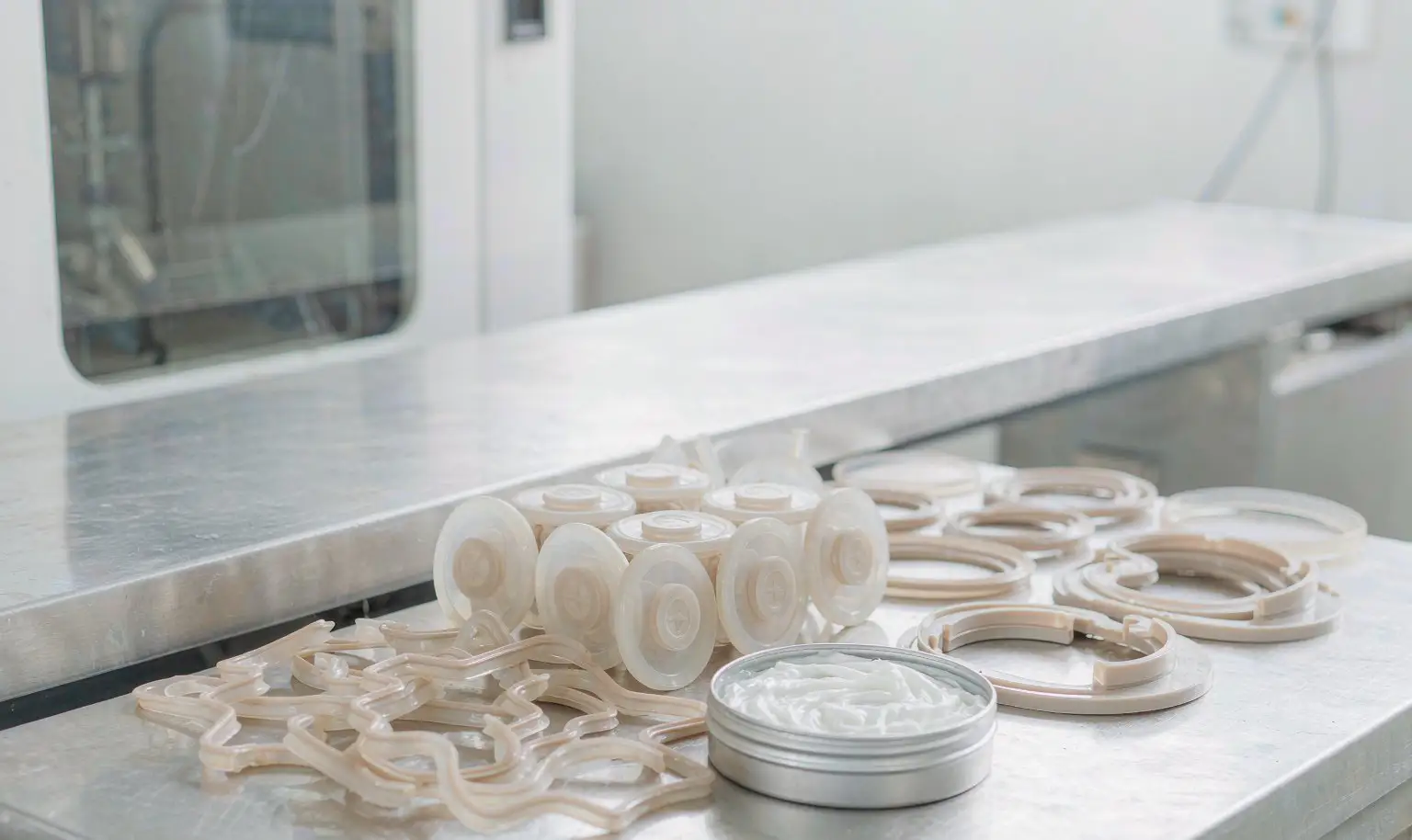
For HTV (high-temperature vulcanizing) silicone the workhorse format is an antibacterial paste: the active ingredient dispersed in a silicone-oil carrier, kneaded into the compound on a two-roll mill. Dispersion and compatibility are far better than dosing raw powder. For light and translucent parts, an organic zinc paste such as iHeir-GG907 keeps color shift minimal and weathers well; export orders with long-lasting requirements do better with the silver-ion iHeir-GGIPL paste, accepting some shade adjustment.
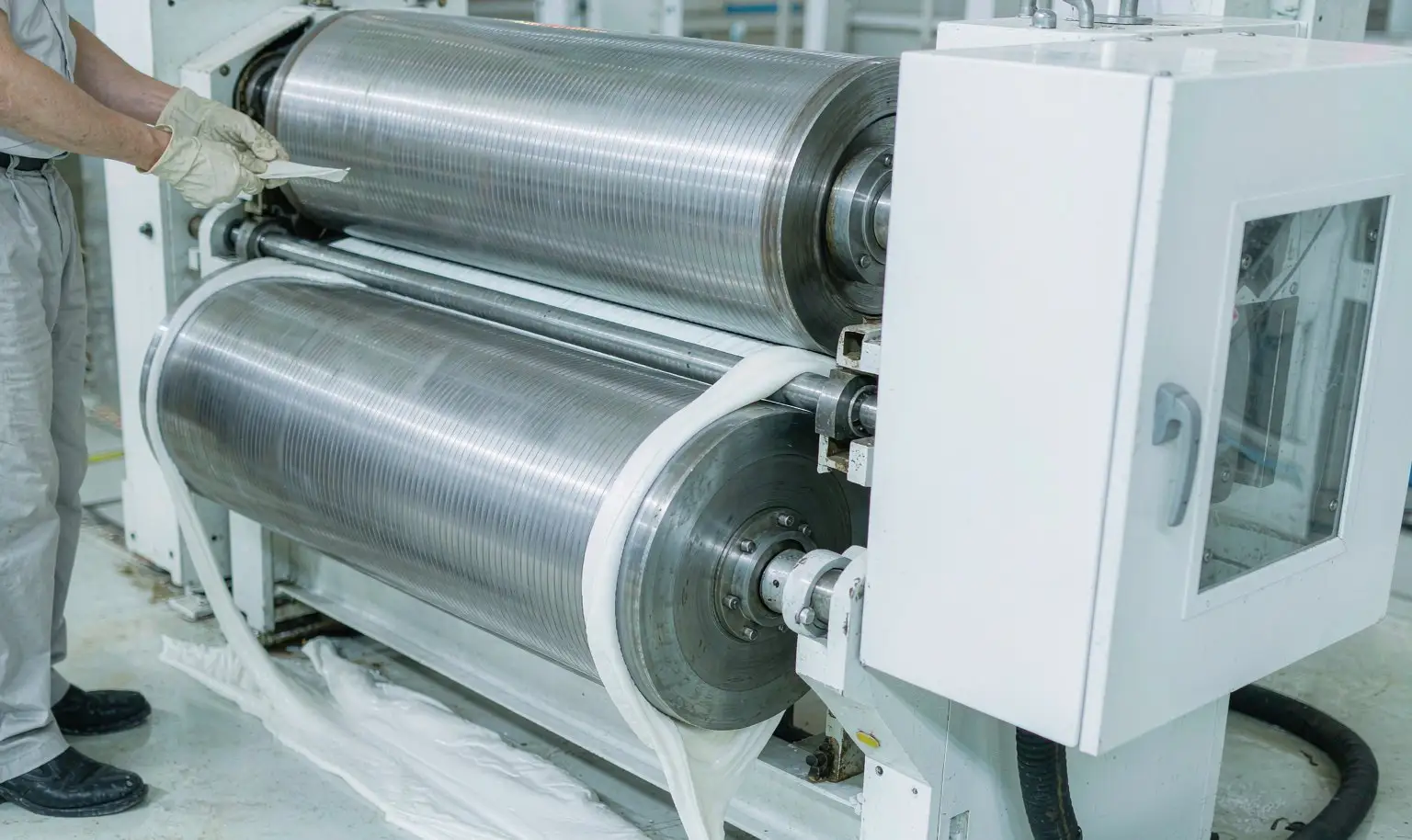
Start at 1-2% active on compound weight: high-touch items like seals and keypads take 1.5-2%, structural parts 1-1.5%. The mixing order matters more than most people expect. First masterbatch the paste into the raw gum with two or three tight passes. Add the fumed silica and structure-control agents second. Add the curing agent last — if you blend peroxide in early and keep milling, partial pre-crosslinking produces cured crumb in the sheet. Keep the compound below 40°C while milling; above roughly 60°C roll temperature the silicone-oil carrier slips and dispersion suffers. Run at least five thin passes, then rest the sheet 24 hours so the paste fully wets out before molding.
LSR: The Platinum-Cure Compatibility Line
LSR cures by platinum-catalyzed addition, which gives fast cycles and optical clarity but draws a hard industry line: amines, tin, sulfur and phosphorus compounds poison the platinum catalyst, leaving parts under-cured and tacky. You therefore cannot copy HTV practice into LSR. Certain organic actives and low-grade pastes carry amine carriers — at half a percent they can ruin an entire batch.
Three workable rules. Use a grade explicitly validated for platinum systems — for example the iHeir-GGTK silicone antimicrobial — and run a small cure check first: no fingerprint indent under thumb pressure and clean, non-stringy tearing at the deburring edge means the cure is complete. Charge the antimicrobial into the component without the catalyst (typically the B-side in some systems, the non-platinum side in others — verify with your supplier) so the active never meets platinum directly. Start at 0.8% and step up to 1.5%, comparing cure curves at every step. A baby-product molder in Jiangsu learned this the hard way: copying their HTV paste into LSR left a full batch uncured; switching to a platinum-compatible grade and moving the injection point restored first-pass yield above 98%.
Foam Silicone and Kitchen Lines
Foamed silicone — gaskets, sealing strips, cushion pads — has high porosity and enormous specific surface, so it drinks up moisture and oil faster than solid stock and needs protection most urgently. The conflict: too much paste disturbs the blowing balance and cell structure. Working numbers: 1-1.2% paste with blowing agent raised 3-5%, then density trials on a small press with tolerance within ±5% before scaling up. Because foam absorbs moisture into cells where surface sprays cannot reach, pack with desiccants — for full containers, add container desiccant strips to hold humidity down in transit. Kitchen silicone tools follow the contact-materials compliance route: choose a compliant grade, control migration, and put the test reports into the factory-audit file. Their real enemy is often odor rather than mold — oil soaking into silicone turns rancid, and only antibacterial protection plus an oil-controlled formulation fixes it at the root.
Cure Windows and Typical Failures
Typical HTV primary cure runs 170-180°C for 5-10 minutes depending on wall thickness, with post-cure at 200°C for 4 hours. Inorganic actives are stable to 300°C, so neither window degrades them. Organic zinc chemistry can bloom slightly above 250°C on long dwell — inspect for white bloom after post-cure. Three frequent failure modes and their fixes. Tackiness: nine times out of ten it is platinum poisoning or under-cure; screen the antimicrobial for amines and tin first, then audit the post-cure profile. Yellowing: silver systems at high dosage plus heat can pull a faint yellow cast; move light orders to zinc chemistry at 1.2% or below. Antibacterial decay: usually a surface-blooming additive being washed off — bonded paste chemistry holds up far better through repeated washing.
Testing and Complaint Handling + FAQ
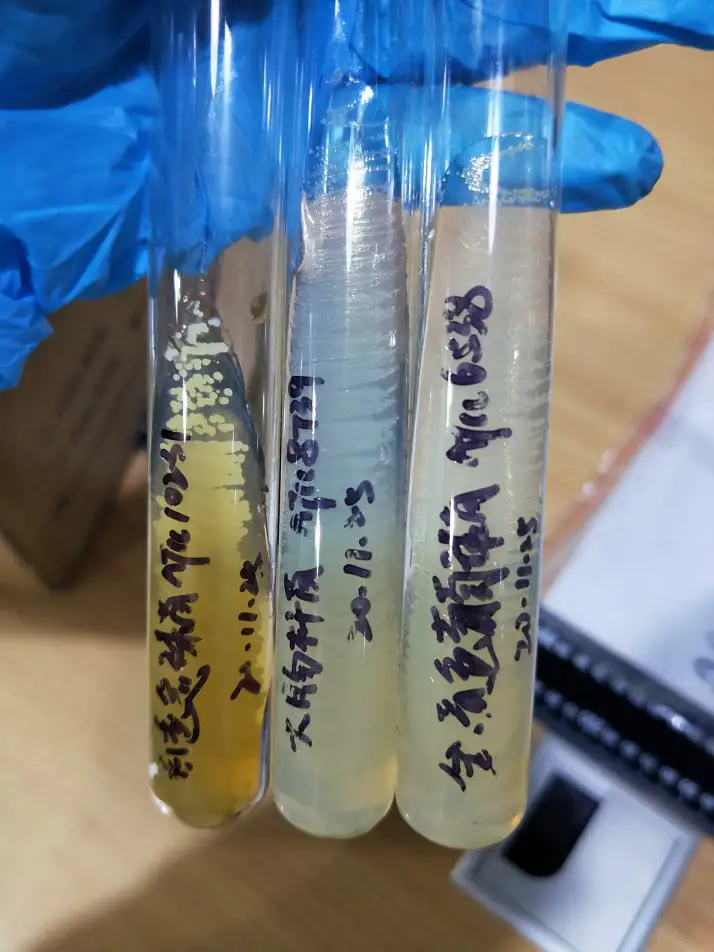
Two standards cover most silicone work. ISO 22196 quantifies antibacterial activity on surfaces — the international reference buyers recognize, with ≥99% reduction as the usual brand requirement. GB/T 2423 mold-chamber testing (28 days, rating 0-1 to pass) covers anti-mold claims. Silicone is an elastomer, so declare hardness and cure conditions with the samples; the same recipe at different hardness can perform differently. For complaints, work in three steps: get the batch number and storage photos, then decide whether the mold is surface-attached (washable — upgrade packaging with anti-mold chips) or growing from within (reformulate). Surface cases get cleaned with a silicone-safe mold remover and repacked; internal cases go back through the process fixes above and retesting.
FAQ
Q1: Does the paste affect food-contact compliance of silicone kitchenware?
A: Kitchenware orders follow the contact-materials route: pick a compliant grade, control migration, and file the reports. Never market the additive itself as suitable for food — it is an industrial additive for silicone goods.
Q2: How much for skin-contact items like watch straps?
A: 1.5-2%. Sebum keeps feeding the surface, so a light dose will not survive one summer. Combine with a well-cured surface to slow oil uptake.
Q3: Can tacky finished parts be saved?
A: Under-cure can sometimes be rescued by a post-cure trial; catalyst-poisoned batches cannot. That is why the small-sample cure check before production is non-negotiable.
Q4: Can foam and solid silicone share one recipe?
A: The same paste, but cap foam at 1.2% and adjust the blowing package, or cells coarsen and density drifts.
Three takeaways: HTV takes paste at 1-2% with the right milling order; LSR must pass a platinum compatibility check before anything enters the line; foam silicone runs lower dosage with density control. Get those three right and the classic “mold, tack, odor” complaints disappear at the root. Zinc-based iHeir-GG907 silicone rubber antimicrobial cream and silver-based iHeir-GGIPL paste cover HTV lines, while iHeir-GGTK fits platinum-cured LSR. For samples tailored to your product type — seals, keypads, kitchenware, wearables — contact us.