




 View Count:21
 Date:2026-11-07
Where does tablecloth mould start, and how do you handle it? The setting stage is the last chance: an agent added to the setting bath goes into the fibre with the finish and survives washing far better than a spray on the finished cloth, and cloth wound above spec regain spots within a fortnight. The routine is iHeir-BJ textile mildew inhibitor at 2%-3% o.w.f. in the bath, plus one iHeir-D vapour sheet in the roll at 0.1-0.2g of active matter per sheet. This article covers dosing, regain and roll packing.
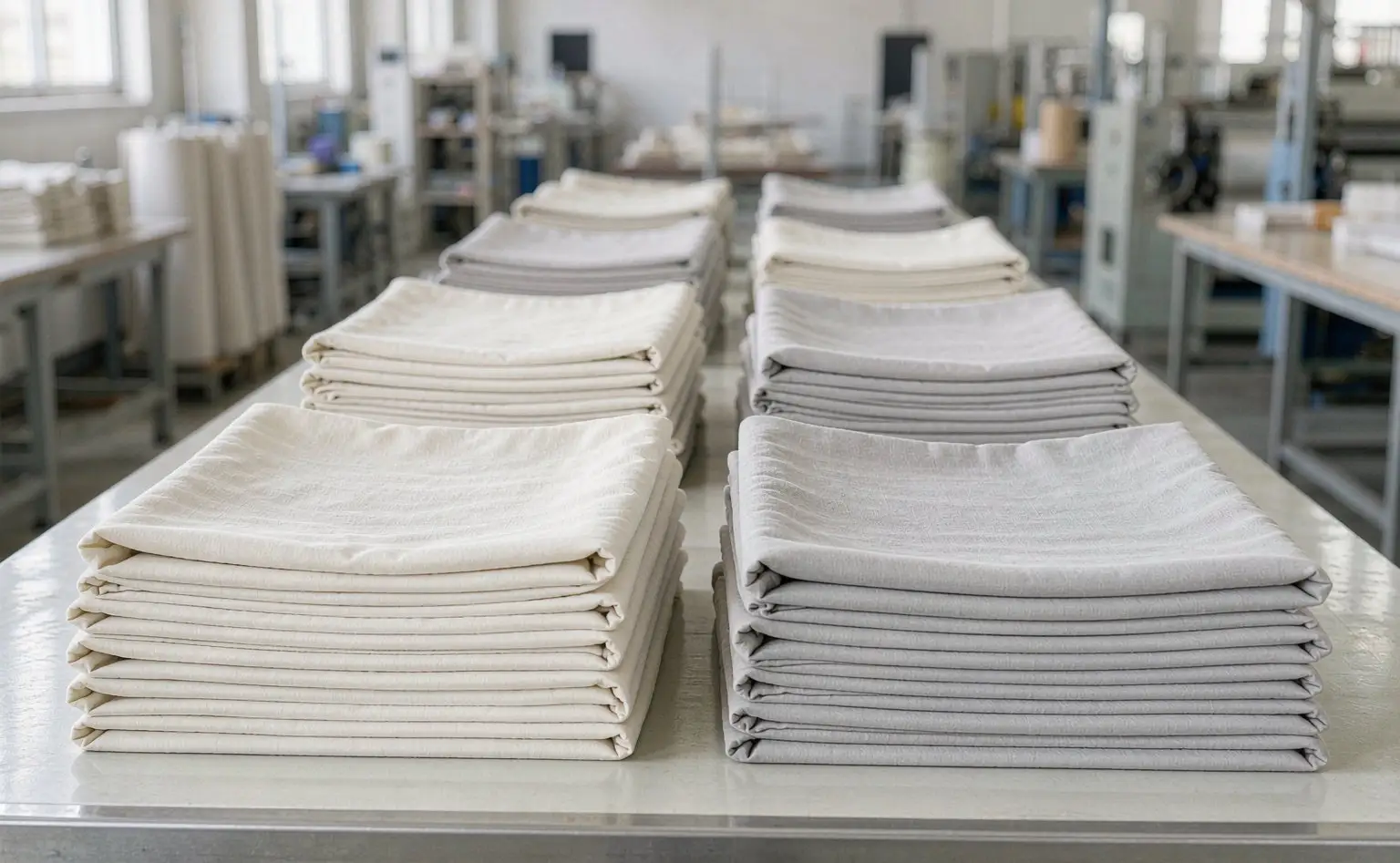
1. Dose at the setting stage, and it survives washing
A tablecloth runs weaving, desizing and scouring, dyeing, setting, inspection, winding and cartoning. Cotton and polyester do not feed mould; what fails is the starch from weaving, the auxiliaries left after dyeing and the water that cannot escape once the cloth is rolled.
Why the setting stage. Setting is the last time the cloth passes through a liquor trough. The agent enters the fibre with the water in the pad bath, then dries and fixes on the fibre through the stenter. A spray on finished cloth sits on the surface and washes off in two cycles, which the customer notices on first use.
The stenter dries as it sets. The finishing and the drying happen on one line, so no extra process step is needed, which is the cheapest route for a large-area fabric like a tablecloth.
The roll is the last gate. Cloth layers sit tight in a roll and the core barely ventilates. Wind cloth above spec and the moisture stays inside, and two weeks later the spots appear across the full width.
2. Bath and packing take separate counts
The table lines up the fabric, the bath, the roll and the carton. Fabric is counted in o.w.f., paper in sheets of active matter, and the two are not interchangeable.
| Part | Material | Product and level | Stage | Control point |
|---|---|---|---|---|
| Tablecloth fabric | Polyester, cotton, poly-cotton, jacquard | iHeir-BJ 2%-3% o.w.f. | Pad bath before setting | 21-50℃, pH 4.5-8.5 |
| Seam and overlock thread | Polyester | iHeir-BJ in the same bath | Shared bath | Wet pickup held at 70% |
| Inside the roll | Rolled fabric | iHeir-D one sheet per roll, 0.1-0.2g | Winding | Regain within spec first |
| Carton and bag | Corrugated, PE bag | iHeir-D one sheet on the wall | Packing | Only works in a closed box |
One boundary. The BJ in the bath handles the fabric itself, the vapour sheet handles the roll and the carton. Fabric only and the core still moulds; paper only and the spots inside the cloth stay.
3. Dosing the setting bath at 2%-3%
The level is a pad application at 2%-3% o.w.f.: 2% gives roughly a year of protection and 3% reaches 2-3 years. A tablecloth is used and washed repeatedly, so export lots take 3% and fast domestic turnover takes 2%.
Bath conditions. 21-50℃ and pH 4.5-8.5, ideally 6, in softened water. Hold wet pickup at 70% with steady mangle pressure and line speed, because a 5% drift in pickup is a 5% drift in dose.
How to add it. Pre-mix with 9-13 times water and feed slowly into the pad bath. Tablecloth is usually softened and hand-modified, and anionic systems cancel BJ in the same bath, so confirm the ionic type and use a separate trough where needed.
Do not chase the stenter settings. Setting temperature and speed follow the fabric recipe, typically 170-190℃ for polyester and lower for cotton. Too hot and the cloth yellows and stiffens while the agent does not stay on; any change goes through a sample where whiteness, handle and mould result are judged together.
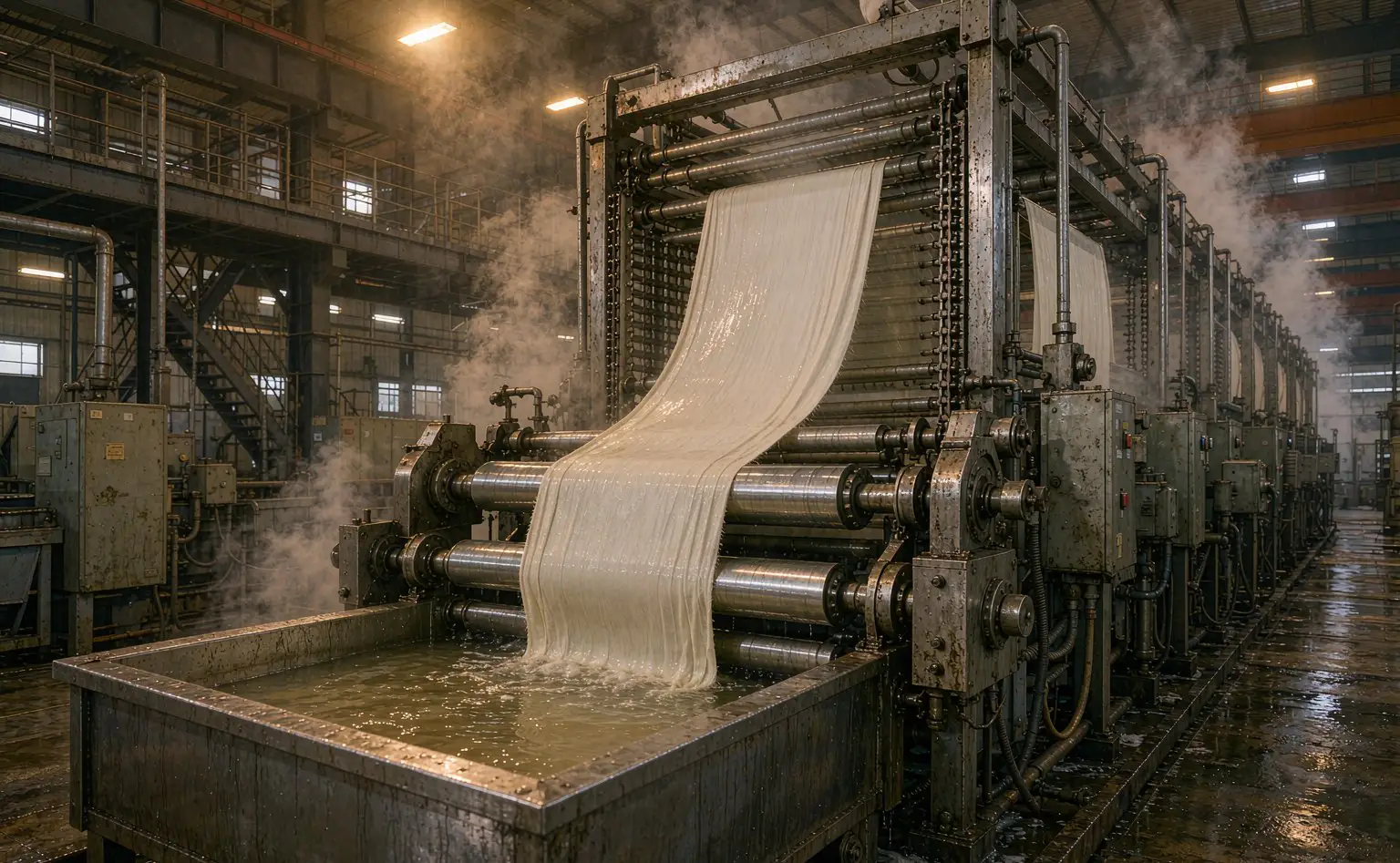
4. Spot-check regain before winding
Regain is the most direct predictor of spotting. Polyester has a standard regain of only 0.4%, so anything above 1% measured means the cloth is not dry; cotton and poly-cotton follow their own standard values, with cotton above 9% held back from winding. Sample by roll, not only at the cloth head.
How to measure. Take readings at several points with a portable meter, at the selvedge and at the centre, and take the highest as the result; a disputed roll is cut and checked by the oven method. Record the number on the roll label so the customer has a figure.
If it is not dry. Run it through the dryer again rather than letting it stand; a large tablecloth dries on the outside of a stack while the inside stays wet. Re-measure after the second pass and wind only what passes.
Never wind warm cloth. Winding cloth that is still warm condenses water in the core, which is the same as building a water tank into the roll. Let it come down to near room temperature first.
5. Winding and storage, and where the sheet goes
Wind one iHeir-D vapour sheet between the core and the outer wraps at 0.1-0.2g of active matter per sheet, and leave the PE bag micro-perforated rather than vacuumed. Add one on the carton wall so the volume stays charged once the box is closed.
Trial compatibility first. Seal three times the normal dose with a tablecloth, mist a little water, separate with paper, and inspect after a few days for yellowing or a dulled print. iHeir-D carries 70%±5 solids and can corrode poor-quality metal when damp, so styles with metal trims or studs get the trial.
Storage. Rolls stand upright rather than stacked flat, the store stays below 60% RH with dehumidifiers in the wet season, and pallets stand 10cm off the floor and off the wall. First in, first out.
How to verify. Grade mould resistance to GB/T 24346-2009 and hold a whole roll 30 days at 30℃/85% RH before unrolling it. Any antimicrobial claim goes to GB/T 20944.3 or AATCC 100 at the laboratory the buyer names. Home textile lines run the same bath.
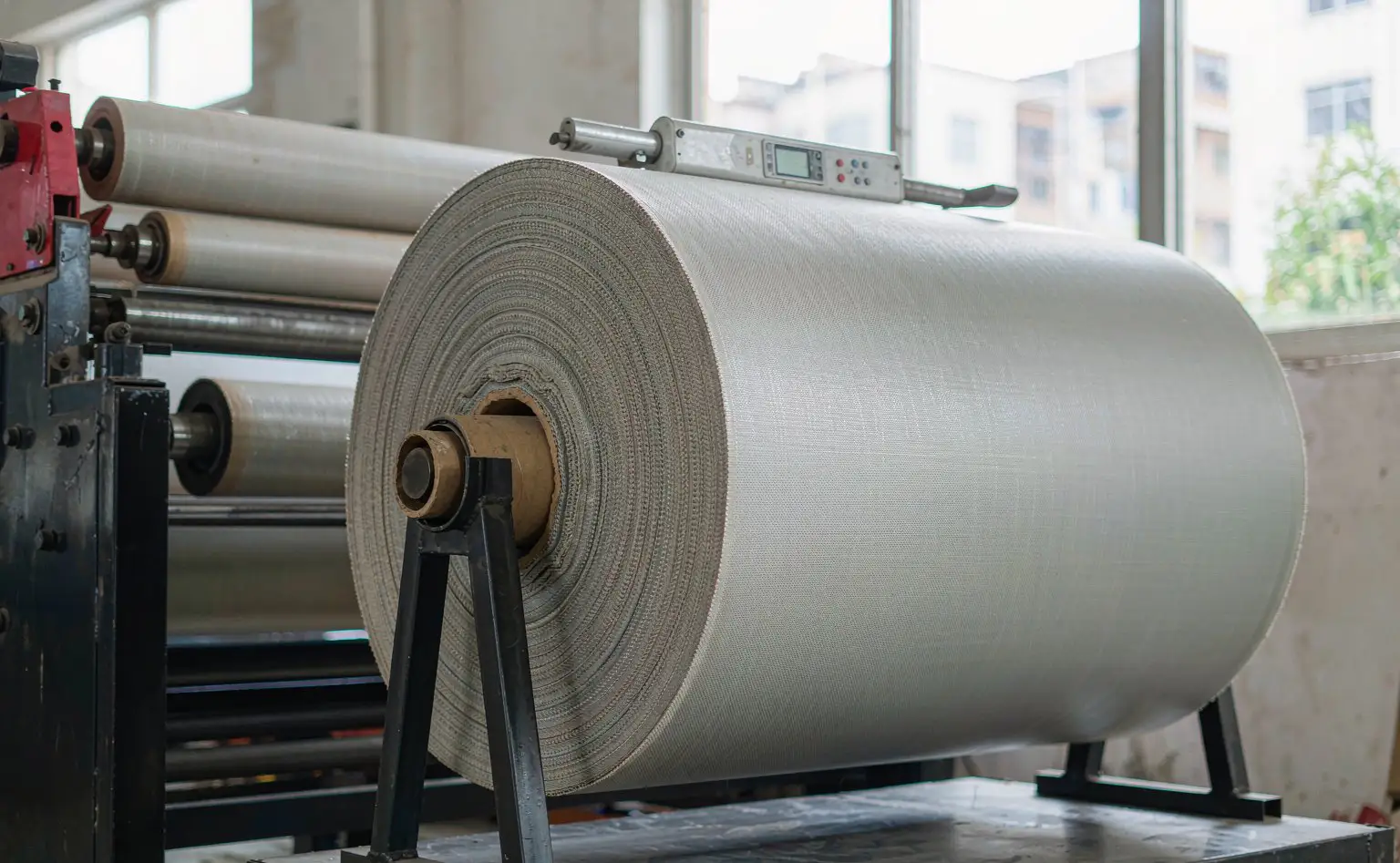
6. Questions on spraying, cotton and regain
Q: Can we just spray the finished tablecloth?
It holds for a while but it does not survive washing. A surface spray washes off in two cycles and the customer is unprotected after first use, while a bath application goes into the fibre.
Q: Does a pure cotton cloth need a different level?
The level stays at 2%-3% o.w.f., but cotton takes up more water, so the pickup has to be re-set rather than copied from a polyester line, or the cloth comes out tacky.
Q: What regain counts as a pass?
Polyester below 1%, cotton and poly-cotton to their own standard values, with cotton held back above 9%. Sample by roll at the selvedge and at the centre.
Q: What about a roll that has already spotted?
Light cases are unrolled, ventilated, brushed, dried again and rewound; spots that have gone into the weave or cloth that has yellowed is downgraded and never mixed into a good roll.
Four points to take away: pad iHeir-BJ at 2%-3% o.w.f. in the bath before setting, at 21-50℃ and pH 4.5-8.5 in soft water, pre-mixed with 9-13 times water, pickup at 70%, anionic softener split off; keep the stenter recipe and prove any change on a sample against whiteness, handle and mould result; check regain by roll before winding, polyester below 1% and cotton below 9%, and wind only at room temperature; one iHeir-D sheet in the roll at 0.1-0.2g and one on the carton wall, after a three-times-dose trial. Grade to GB/T 24346-2009 and hold a roll 30 days at 30℃/85% RH. A kilogram of inhibitor and a pack of sheets go out for a trial, with MOQ on the iHeir-BJ product page.


