




 View Count:49
 Date:2026-09-01
How to store winter clothes without mold? Down jackets, coats and sweaters get worn for three months, then sit in the wardrobe for most of a year – and the next winter, collars, underarms and cabinet corners are covered in mold. Stains that never wash out mean heartbroken disposal. This article explains why winter clothes mold, how to prepare them before storage, and how to store them mold-free.
1. Why Do Winter Clothes Grow Mold?
- Stored damp: thick winter clothes feel dry on the surface but stay damp inside after washing – moisture content (water held in the fabric) above 10% locked in a wardrobe breeds mold within 1-2 weeks;
- Not cleaned before storage: sweat and oils on collars, cuffs and underarms feed mold; unwashed clothes stored for months grow mold and infect the whole wardrobe;
- Humid wardrobe: southern rainy seasons push wardrobe RH above 75%; tightly stacked clothes trap even more humidity;
- Sealed plastic bags: once clothes go into plastic/compression bags not fully dry, moisture cannot escape and the bag becomes a mold greenhouse.
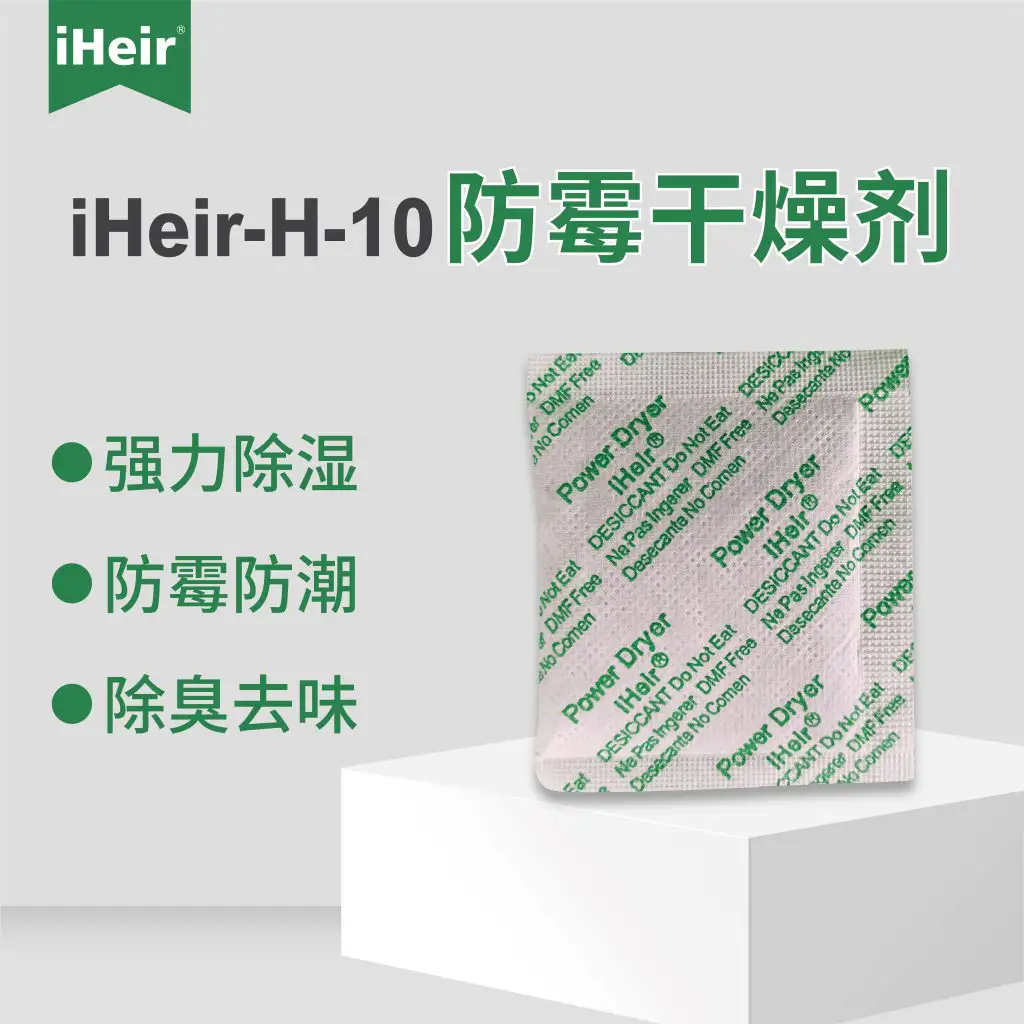
▲ Winter clothes mold-proof storage guide
2. Pre-Storage Treatment (Three Key Steps)
- Wash thoroughly: clean down jackets and coats per care labels, focusing on collars, cuffs and underarms – residual oils and sweat are mold’s main food;
- Dry completely: allow thick clothes enough time (down jackets 2-3 days), confirm moisture below 10% before storing – check by pressing the thickest spot for cool dampness or use a moisture meter;
- Prevent: for previously moldy or worry-prone items, spray textile anti-mold agent (e.g. iHeir-BJ) and dry before storage – add a protective layer.
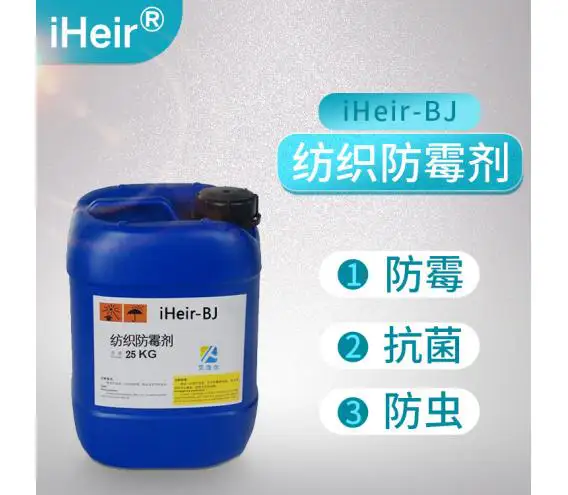
▲ Seasonal clothing mold treatment
3. How to Store Mold-Free? (Method Table)
| Method | Action | Why |
|---|---|---|
| Desiccants | 1-2 desiccant packs (or moisture boxes) per wardrobe, replaced quarterly | Absorbs cabinet humidity, holding it below 60% |
| Anti-mold sachets | 1-2 sachets (e.g. Power Pak) per shelf/box | Vapor-phase sachets release actives like camphor balls, covering the whole shelf |
| Breathable bags | Use non-woven storage bags instead of plastic | Non-woven breathes; plastic traps internal moisture and molds |
| Hang vs fold | Hang coats and down jackets; fold sweaters with gaps | Hanging ventilates; dense folding raises internal humidity |
| Cabinet airflow | Leave wardrobe doors 5-10cm open or ventilate periodically | Air circulation stops humidity buildup |
▲ Clothing anti-mold treatment
4. Seasonal Recheck Routine
When taking clothes out next winter, spend two minutes checking:
- Smell: musty cabinet or clothes means dampness returned – ventilate first;
- Look: check collars, underarms, hems and cabinet corners – the most mold-prone spots;
- Feel: cool dampness means humidity exceeded – dehumidify before returning items;
- Treat: small spots get textile mold remover and drying; large spots or brittle fabric go to scrap.
5. What Should Each Role Do?
- Home users: follow “wash – dry – desiccant + sachet” for seasonal storage; southern families must check before the rainy season;
- Clothing stores/warehouses: manage winter stock with the garment anti-mold process (moisture testing + in-carton sachets + warehouse dehumidification) – see Garments Got Moldy?;
- Dry cleaners: confirm clothes are fully dry before return; offer anti-mold sachets as a value-added service.
Last year a southern customer stored winter clothes the old way; after the rainy season, the whole wardrobe of down jackets and coats was moldy – a loss of several thousand RMB. After following “wash, fully dry, desiccant + sachets”, the next year’s opening was mold-free. For general textile methods, see Textile Anti-Mold Agent Buying Guide.
6. FAQ
Q1: Can compression bags be used for winter clothes?
A: Yes for space, but clothes must be fully dry (below 10%) first – the better the seal, the less moisture escapes; compressing damp clothes means “sealed-in mold”.
Q2: Does the sachet odor stay on clothes?
A: Odorless anti-mold sachets leave no smell; if slight, air clothes 1-2 hours after taking out.
Conclusion
Winter clothing prevention is three phrases: wash and fully dry before storing, desiccant + sachets in the wardrobe, seasonal rechecks. For clothing solutions, contact us or browse the anti-mold product range; related: Webbing Got Moldy?