




 View Count:17
 Date:2026-11-20
Is tripod mould avoidable? Yes, because the growth almost always sits in two places: the foam grip on the legs and the head cavity. The carry bag only holds the damp in. Bath the grip fabric at 2%-3% o.w.f. in iHeir-BJ at 21-50℃ and pH 4.5-8.5, then put iHeir-D sheets at 0.1-0.2 g into the head cavity and each bag. A shipment opened in a customer store with spots on the grips is a batch return, and rework means unbaging, wiping and rebuilding. This article covers the fabric finish, the cavity sheet and the bag.
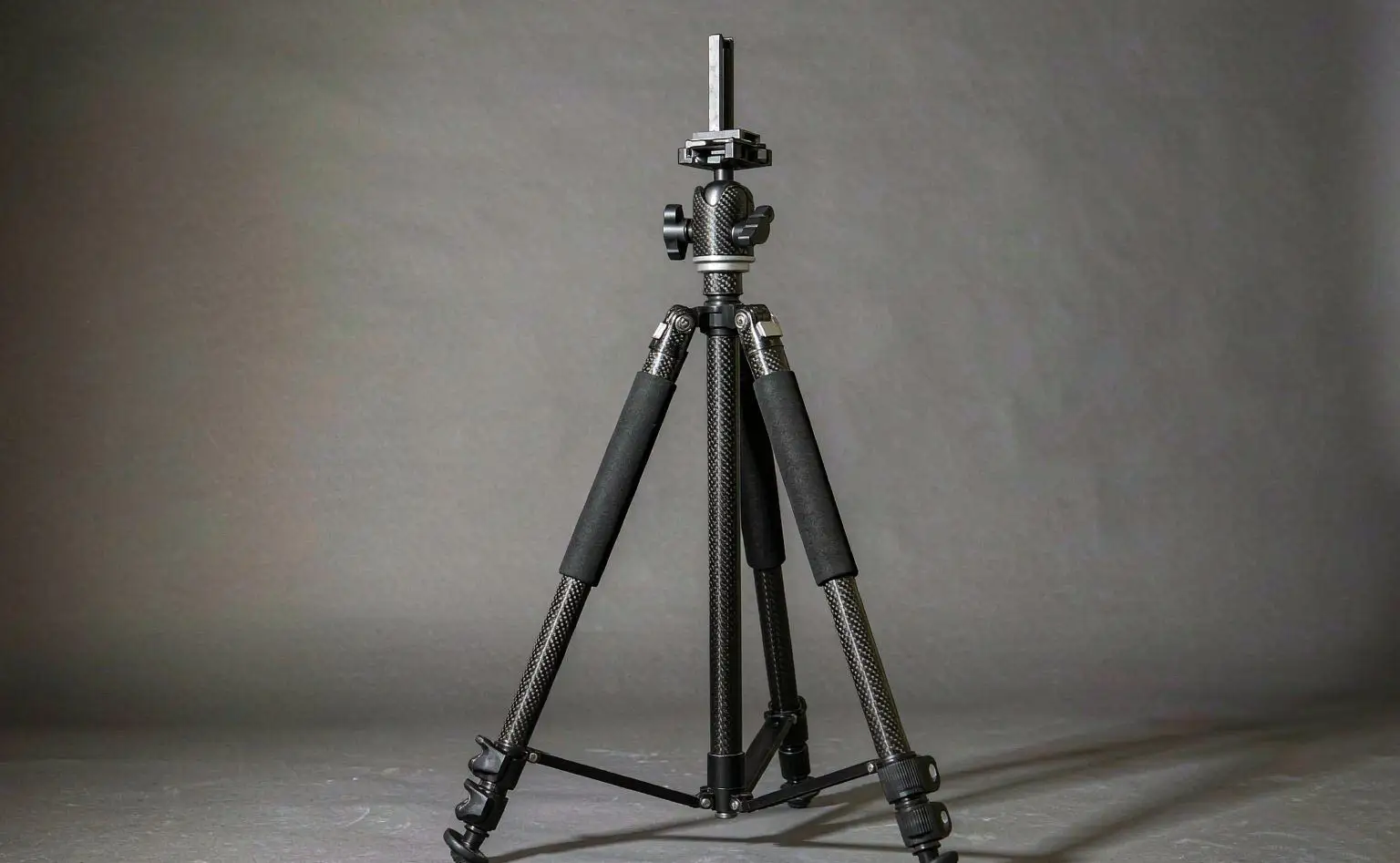
1. Where it grows: grips, head cavity, plush bag
The grip is the sponge. Leg grips are EVA or NBR foam wrapped in fabric. Hand sweat, rain on location and store humidity go into the fabric first and then into the foam cells; a couple of days without drying and spots appear on the fabric, and wiping the surface brings them back.
The head cavity is a closed box. Grease and damping oil inside the head are food, and once the cavity is closed the vapour cannot leave. Growth starts on the cavity wall and works into the scale ring and the locking knobs, which is the most expensive place to rework.
The plush bag is a humidor. Plush takes up moisture and does not release it, so a closed bag is a stable microclimate. Without a sheet inside, the bag is a humidor with a tripod in it.
Telling them apart. Fabric spots are grey-green, in patches, with a musty smell. White spots on metal are oxidation, not mould. Treat the growth first and the oxidation second, otherwise it comes back after wiping.
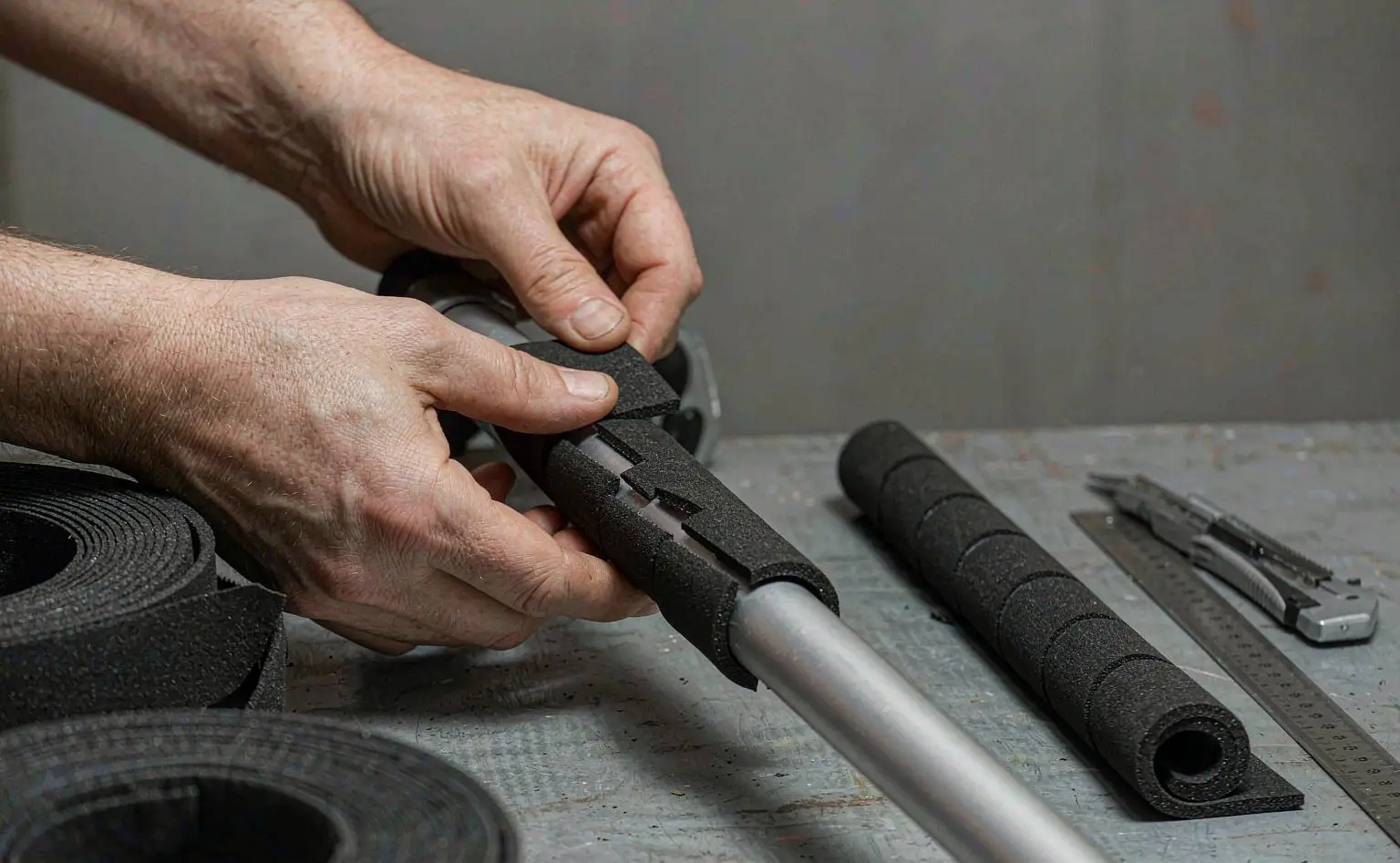
2. Grip fabric: one pass at 2%-3% o.w.f.
Dose on fabric dry weight. iHeir-BJ goes in at 2%-3% o.w.f. on the dry weight of the fabric. Three kilograms treats 100 kg, and at 70% pick-up the agent is pre-mixed into 9-13 kg of water before it goes into the bath.
Bath conditions. Hold 21-50℃ and pH 4.5-8.5 in soft water; calcium and magnesium in hard water throw the agent out and leave white residue on the fabric.
No anionic auxiliaries in the bath. BJ is cationic. Fabric that has been through an anionic softener or water repellent has to be rinsed clean first, or the bath curdles and nothing fixes.
Dry by the finishing route. Do not air dry: fabric held damp loses the agent before it fixes. Dry to route, check moisture and re-dry anything over spec. The finished fabric feels slightly firmer, and working it by hand before assembly restores the softness.
| Part | Material | Product and level | Stage | Control point |
|---|---|---|---|---|
| Leg grips | Foam with fabric skin | iHeir-BJ 2%-3% o.w.f. | Bath and padding | 21-50℃, pH 4.5-8.5, soft water |
| Head cavity | Aluminium and grease | iHeir-D 0.1-0.2 g per sheet | Placed in a free space | Off the scale ring and glass |
| Carry bag | Plush lining | iHeir-D one sheet per bag | Sheet into the base | Zip left venting, not sealed |
| Export carton | Carton and liner | Sheets by bag count | Packing | No damp goods in the carton |
One boundary. BJ handles the organisms in the fabric, the process handles water and oil in the head, gas-phase sheets handle the air in the bag. Each covers one stretch, and a well-finished grip still damps up once the bag is zipped shut.
3. Head cavity: thin grease, sheet kept clear
Thin grease. Head damping depends on grease viscosity, and too much makes the movement sticky and runs onto the scale ring. Apply one thin layer to the process card and wipe the squeeze-out.
Sheet in a free space. One iHeir-D sheet at 0.1-0.2 g goes into a free spot in the cavity or beside the battery bay, taped down. Keep it off the scale ring, the ball seat and the optical window, where any foreign body costs accuracy.
Run a compatibility test. Three times the normal rate, paper in between, closed for a few days, then check the anodised surface for dulling and rubber parts for tackiness.
Control the assembly room. Head assembly and packing share one area held below 60% RH. Keep the bench away from sinks and outer doors, and use a dehumidifier in the wet season instead of opening windows.
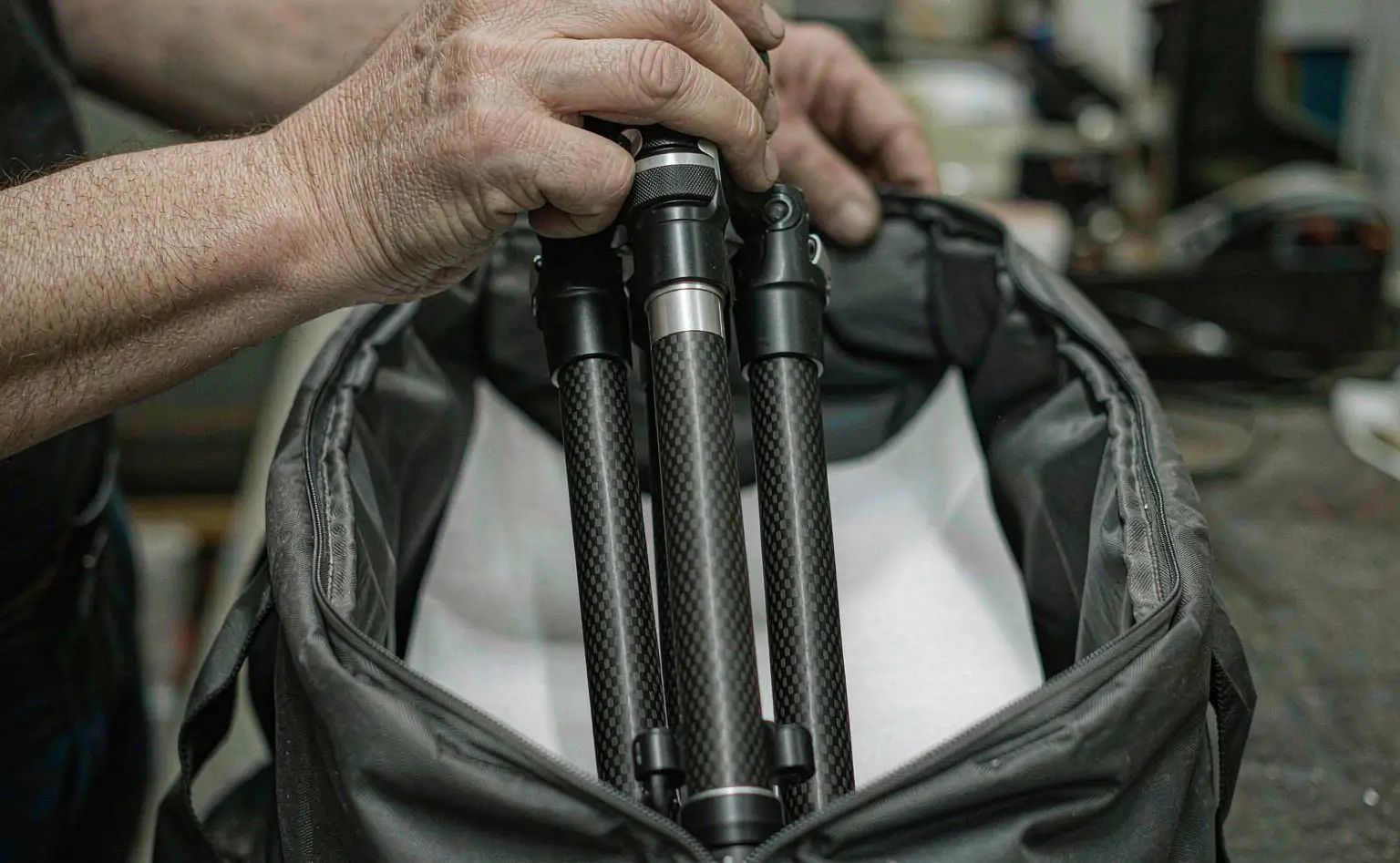
4. Bag and carton: one sheet per bag is enough
One sheet per bag. Each iHeir-D sheet carries 0.1-0.2 g of active. One sheet per bag, in the base or an inner pocket; the volume is small and the vapour spreads fast, so there is no need to scale by tripod weight.
Bake the plush before sewing. Lining that comes in above spec goes through the oven to below 8% before it reaches the sewing line, and finished bags are not stacked in a damp corner. Check a bag before it is used.
Leave the bag venting. A zip closed on a damp tripod locks the vapour in. Close it at cartoning rather than at bagging, and for export cartons use a barrier film with a few pin holes.
Storage and inspection. Hold the finished store below 60% RH with pallets 10 cm off the floor and 20 cm off the wall. Open the top layer and the door-side cartons at inspection, because those see the widest humidity swings. Comparable consumer hardware is in phone holder mould on the plastic body and silicone pad.
5. Export loading: controlling the container
Check the box first. Reject a container with damp floor or walls, wipe up standing water, and ventilate for half an hour if it feels damp inside.
Keep cartons off the walls. Leave 5 cm between cartons and the container wall, with board under the stack; the wall-side row takes up moisture first and is also the row that fails inspection.
Rods for long voyages. Past 30 days at sea, hang desiccant rods by container size and keep the sheets in the bags. Sheet and rod do different jobs: the sheet covers the bag, the rod covers the box. Comparable export packing is in lighting export packing, foam and the container.
Incoming check. Ask the customer to look at the grips and the head cavity first; spots there mean the bag sheets were short or the zip was sealed too early.
6. Questions from buyers
Q: Can we skip the fabric finish and just add a desiccant?
A: No. A desiccant works on water in the air, not on water already in the fabric and the food in the fibres. The fabric has to be finished.
Q: Does the finish make the grip hard?
A: At 2%-3% o.w.f. the change is small. Overdosing stiffens it, and working the sleeve by hand before assembly brings it back.
Q: Does a sheet in the head cavity affect accuracy?
A: Not if it sits in a free space away from the ball seat and the scale ring, and it must be fixed so it cannot shift in transit.
Q: Is a sheet in the bag really necessary?
A: Recommended. Plush takes up moisture and does not release it, so an unsheeted bag is a humidor. One sheet at 0.1-0.2 g per bag is the working figure.
Bath the grip fabric at 2%-3% o.w.f. in iHeir-BJ at 21-50℃ and pH 4.5-8.5 in soft water with no anionic auxiliaries, and dry to spec; keep head grease thin and fix one iHeir-D sheet of 0.1-0.2 g in a free space after a three-times compatibility test; put one sheet in each bag and leave the zip venting until cartoning; hold the store below 60% RH and hang container rods by container size. Mould performance can be verified to GB/T 24346 and AATCC 30, and samples and minimum order are on the iHeir-BJ product page.


