




 View Count:51
 Date:2026-09-02
What to do when fishing rods and tackle grow mold? Bamboo-handle rods, carbon fiber reels and nylon nets can grow green mold on the handle, black mold on the reel and white mold on the net after 1-2 months at sea or in warehouse – and overseas retailers reject the whole container on arrival. This article covers why tackle molds, export anti-mold steps, and how to choose agents for different materials (bamboo, carbon fiber, nylon) for factories and traders.
1. Why Does Fishing Tackle Mold Easily?
- Bamboo handles feed mold: handles use light wood, rattan or bamboo (sugars, loose fibers) – natural mold food;
- Nylon nets absorb moisture: nylon has a 4% moisture regain and the woven structure traps water; at 90% shipping RH mold appears in 1-2 weeks;
- Internal condensation in carbon reels: the metal and plastic parts in a reel “sweat” with day-night temperature swings in transit – gears and bearings corrode within 2-3 months;
- Bait boxes carry water: lure and live-bait packs are kept moist by the maker to preserve bait, turning the pack into a “mold greenhouse”;
- Strict overseas inspection: REACH, CPSIA and retailer inspections all list “mold” as an AQL fail item – moldy goods are 100% rejected.
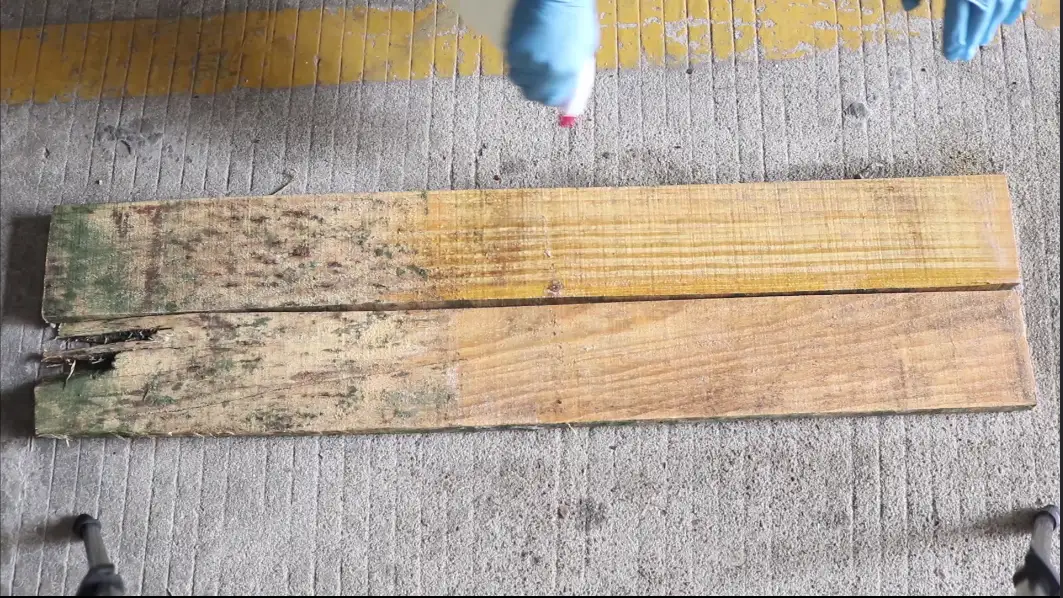
▲ Moldy bamboo handle on a fishing rod
2. Three Export Steps (Tackle Maker Implementation)
- Soak bamboo/wood handles in anti-mold agent: soak finished handles in iHeir-JP (soak type) diluted 4-6x with water for 30 minutes, drain and cure at 80℃ – the agent penetrates the wood fiber and prevents mold for 3 months at sea. Handles that skip this step reach 30%-50% mold rate after just one month – the core process;
- Add antimicrobial masterbatch to carbon/plastic parts: reel housings and handles are injection-molded with iHeir-ECO plastic antimicrobial at 2%-5% – inside-out antimicrobial and surface mold resistance;
- Sachet in pack: one Power Pak per rod or per reel box, covering the whole pack;
- Antibacterial finish on nylon nets: add 1%-2% iHeir-BJ textile antimicrobial in the setting bath and pad-set – a protective layer on the nylon fiber;
- Desiccant in master carton: 100-200g silica gel per carton to absorb box humidity;
- Pre-shipment sampling: test 5% of finished goods with GB/T 24346 challenge; only grade 0-1 may ship.
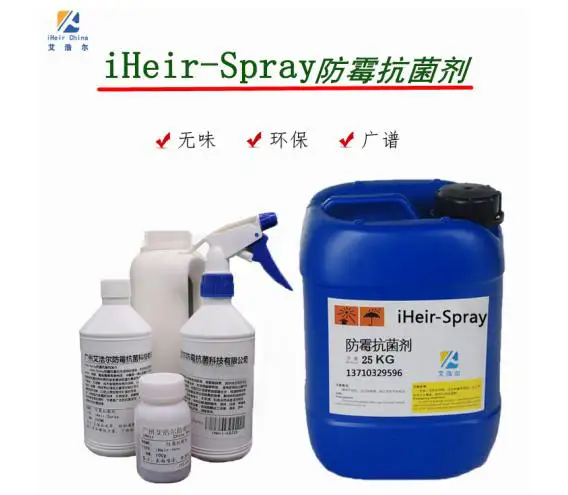
▲ iHeir-Spray bamboo wood anti-mold agent (odorless, eco-friendly, broad-spectrum)
3. What Should Each Role Do?
- Tackle factories: make “bamboo handle anti-mold soak” a mandatory process step and keep anti-mold reports for each batch; add antimicrobial masterbatch in plastic injection;
- Traders: specify “sea-freight anti-mold requirements” (grade 0-1, moisture ≤10%) when ordering; sample-inspect appearance on receipt;
- Tackle shops/dealers: dehumidify southern warehouses (RH ≤60%) and air display samples regularly;
- Lure anglers: dry tackle before packing; in southern rainy season use a dehumidifier or moisture box.
A Shandong tackle factory shipped a batch of glass fiber rods to the US last year. After 40 days at sea, 200 of 500 rods had green handles on arrival – the customer rejected the container. After switching to “iHeir-JP 1:5 dilution soak 30 min + cure + Power Pak in pack + desiccant”, this year the same product arrived with mold rate below 1%. For hardware details, see Hardware Anti-Mold Solution.
4. How to Choose Agents for Different Materials?
| Part | Material | Recommended Agent | Use |
|---|---|---|---|
| Rod handle | Bamboo/wood | iHeir-JP (soak) | 1:4-6 with water, soak 30 min, cure 80℃ |
| Reel housing | Plastic/PC/ABS | iHeir-ECO (masterbatch) | 2%-5% at injection |
| Reel knob | EVA/rubber | iHeir-GG silicone antimicrobial | Spray or dip |
| Nylon net/line | Nylon/PE | iHeir-BJ (textile) | 1%-2% in setting bath |
| Lures | PVC/soft plastic | iHeir-ECO masterbatch | Add at injection |
| Hooks/leads | Metal | Vapor-phase sachet | Power Pak in pack |
Three keys to selection: material, processing temperature, safety compliance. Bamboo needs soak type, plastic needs masterbatch, textile needs padding – one size does not fit all.
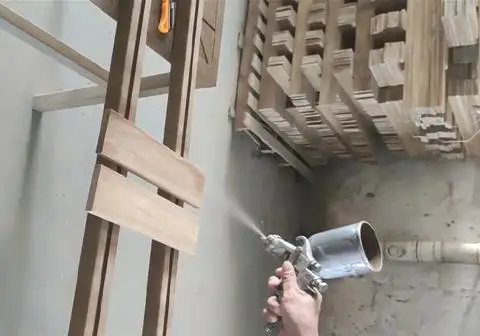
▲ Fishing rod anti-mold spray treatment
5. FAQ
Q1: How to treat a moldy carbon fiber rod?
A: Carbon fiber itself does not mold (carbon is inorganic), but the handle, grip and reel are the danger zones. Wipe mold with iHeir-CM remover and then spray a layer of iHeir-Spray anti-mold.
Q2: Will rod/net anti-mold agents pollute water?
A: OEKO-TEX 100 or EPA-certified agents (iHeir series below 5% concentration) are non-toxic to fish. Avoid bulk operation in fresh water bodies during rain.
Q3: How long until tackle molds in a southern warehouse?
A: Untreated tackle shows mold spots within 1-2 weeks in the southern rainy season (RH 80%); properly treated tackle lasts over a year.
Conclusion
Tackle anti-mold in three phrases: soak bamboo handles in anti-mold agent, add masterbatch to plastic parts, sachet in pack plus desiccant in carton. For tackle solutions, contact us or browse anti-mold products; related: Warehouse Mold Control.