




 View Count:34
 Date:2026-10-15
Can electric hammer mould be kept out of an export shipment? Mostly yes — most spots on a delivered machine are not carried off the line but raised by moisture sealed inside the container after packing, so the work splits into two stages. On the line, hold the injection and assembly shop and the finished-goods store below 60% relative humidity. On the export side, pack for it: iHeir-D gas-phase antimicrobial and mould inhibitor as anti-mould paper or sachets at 0.1-0.2 g of active per sheet, and T-1000 container desiccant sticks dosed by container type. This article sets out each stage and the doses.
1. Why hammer mould usually appears in the packing and the container
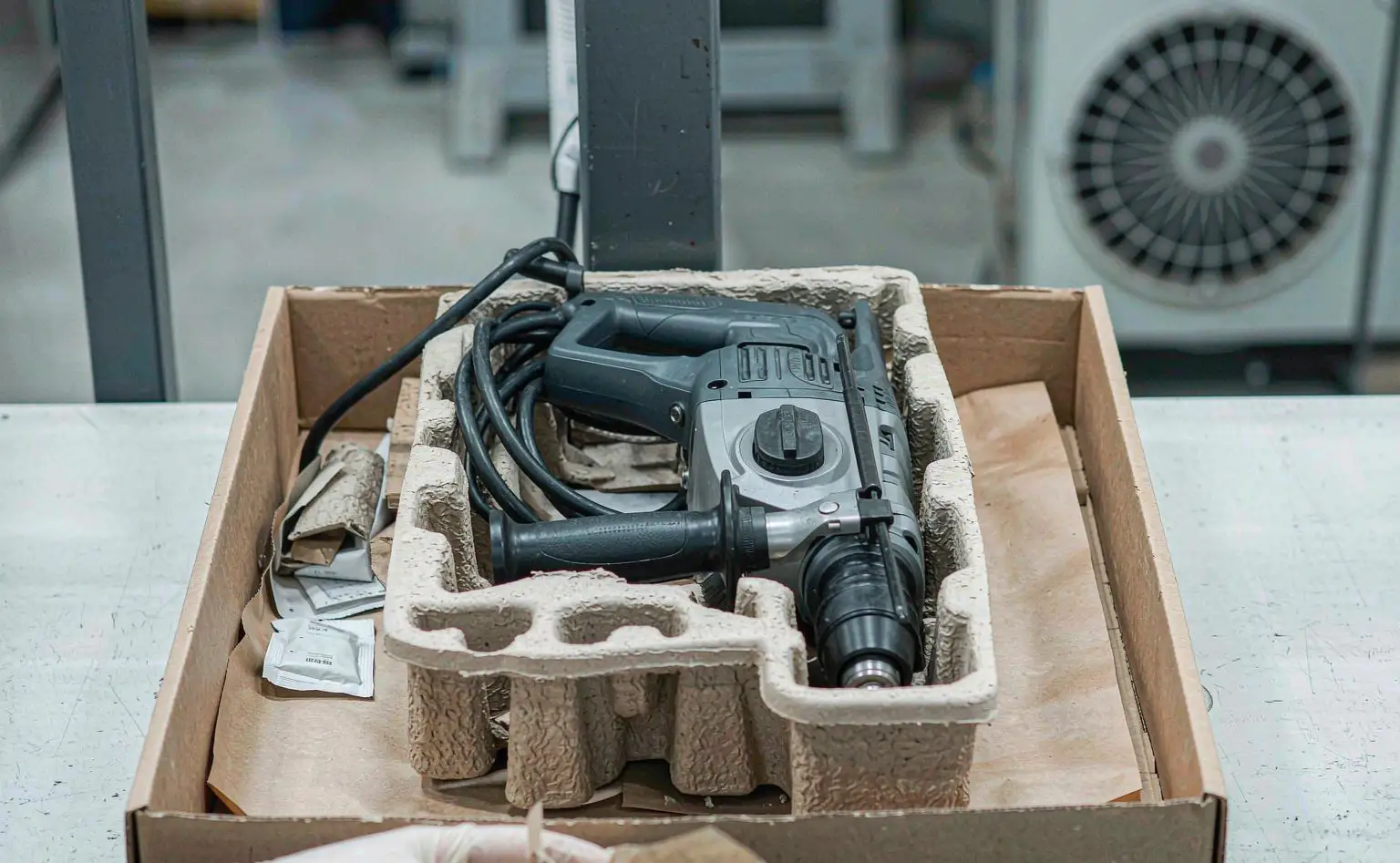
A hammer is a plastic shell around metal parts, and neither moulds easily on its own. What fails is the packing and the voyage. Corrugated cartons, paper liners, foam and EPE are porous, so they take up moisture fast and give it off slowly; when store humidity rises they absorb first, and when the air dries they release slowly, leaving the air inside the carton humid for long stretches.
The sea leg matters more still. A container swings through a wide day-night temperature range, so moisture condenses repeatedly on the walls and on the goods, runs down the walls and drips onto the carton tops. The cartons take up that water and the humidity inside them climbs; by the time the box is opened at the destination, the shell surface and the liner face touching the product often already show spots. A clean line, in other words, is not the same as a clean arrival, so the line stage and the export stage each have to be managed.
Keeping the two stages apart also keeps responsibility and cost clear: the line stage spends on dehumidification and storage discipline, the export stage spends on two products for the carton and the container, and when something goes wrong you can tell whether it was warehouse moisture or condensation at sea.
2. The line stage and the export stage compared
The table lines up what each stage controls, the main measures, the figure and the points to watch, as a first draft of an export damp-control instruction.
| Stage | What it controls | Main measures | Figure or criterion | Points to watch |
|---|---|---|---|---|
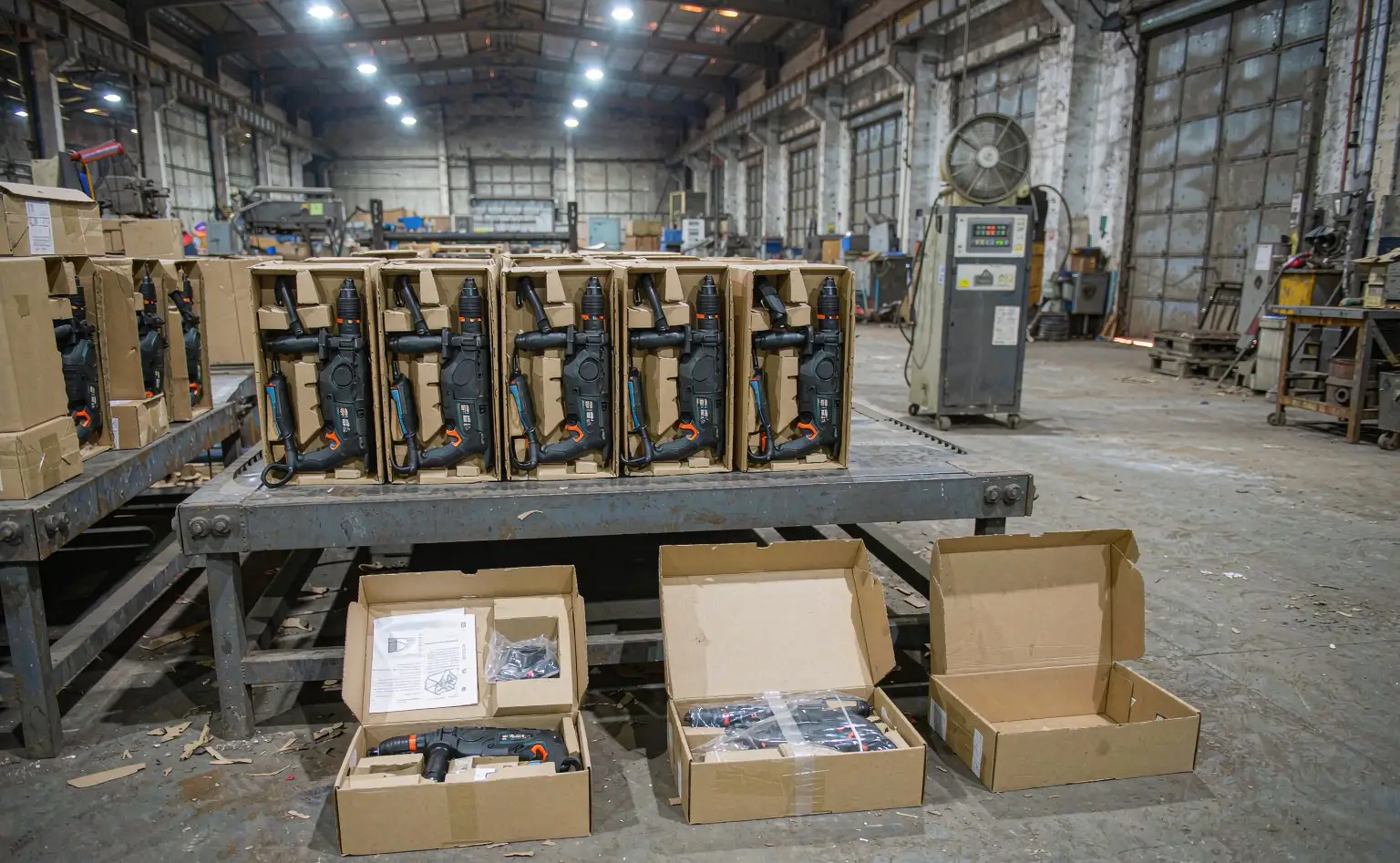
| Injection and assembly shop | Shop air, paper liners and inserts | Dehumidification, separate storage for liners, humidity held at the station | Relative humidity below 60% | Foam and EPE that have taken on moisture carry it to the line |
| Finished-goods store | Cartons and liners in storage | Dehumidifiers, off-wall and off-floor stacking, first-in first-out | Relative humidity below 60% | No carton against a wall or on the floor; more frequent checks in the wet season |
| Inside the carton, paper and sachets | Carton air and liners | iHeir-D coated or printed onto paper as anti-mould paper or sachets, sealed with the product | 0.1-0.2 g of active per sheet | Solids content 70%±5, packed 25 kg per drum; sized to the carton and its free space |
| Inside the container | Container air and wall condensation | T-1000 container desiccant sticks hung in position | 8-10 sticks for a 20ft container, adjusted to container type | Chloride-free and pH neutral; dosed by container type, not by carton count |
The first two rows dose no product and rely on equipment and discipline, while the last two dose product and look after two sealed spaces, the carton and the container. Miss any one of the four and the problem only shows at the destination port.
3. In the carton: how the paper and sachets are made up and how many go in
The carton stage uses iHeir-D gas-phase antimicrobial and mould inhibitor. It is combined with an ink system, coated or printed onto paper, dried, and made up as anti-mould wrapping paper or sachets sealed with the product. The usual loading is 0.1-0.2 g of active per sheet or sachet, adjusted to the surroundings and the free space in the carton. Solids content is 70%±5, packed 25 kg to a drum, stored sealed, dry and dark with a shelf life of one year.
Three uses are common in hammer packing: paper in the bottom and under the lid, where it becomes part of the liner and adds no volume; a sachet with the manual or the accessory bag, small enough to fit a paper-liner recess; and paper built into the liner or divider itself. The three differ in process and cost, not in principle.
There is no single number for how many sheets a carton takes: it follows carton size, free space, packing material and transit time. Once set, run a sealed-carton trial and open it at the 15-day and 30-day marks, then adjust the next batch from what you find.
4. In the container: sticks are dosed by container type, not by carton count
The container stage uses T-1000 container desiccant sticks. The carrier is natural plant fibre and the product degrades completely; it contains no additives, no corrosive substances and no chlorides, and its pH is neutral. That matters for power tools with plated screws and metal parts: the desiccant must not be what rusts the hardware.
Dosing is quoted by container type: a 20ft container takes 8-10 sticks, adjusted for loading density, packing material and the route season. Why by container type rather than carton count? Because what has to be handled is the air in the whole container and the condensation on its walls; a fuller container leaves less air rather than needing fewer sticks. Hang them along both side walls, clear of the door end, with the lower ends not trailing onto the carton tops.
5. Checks before dispatch, and resealing after an inspection
Three checks are worth running before an export lot ships: carton and liner moisture content on sampled boxes; a configuration check, with the paper and stick quantities written onto the shipping documents against the carton and container types; and a pre-closing check, with sticks in position and photographed before the doors close. Record to GB/T 4768 for anti-mould packaging and sample moisture content by the GB/T 462 method.
After an inspection at the destination or by the customer, the carton has to be resealed: opening it disperses the gas phase that had built up inside, so close it again immediately, with the paper and sachet quantities adjusted to the inspection frequency, and do not leave a carton half-open overnight. The full pairing of packing and shipping is set out for container moisture and mould in shipping.
6. Questions: sticks alone, and can paper replace the sticks
Is it enough to hang desiccant sticks in the container and leave the cartons untreated? No. The sticks work on the container air and on wall condensation, not on the sealed volume inside each carton, so a carton that has already taken up moisture in a damp warehouse simply carries that water on board. In-container protection is a second layer above the packing, not a substitute.
Can the anti-mould paper replace the desiccant sticks, or the other way round? No, they cover different volumes: the paper works inside the carton on a small sealed space, the sticks work on the whole load. Without the carton stage, product surfaces face the container air directly; without the container stage, condensation travels from the walls into the cartons.
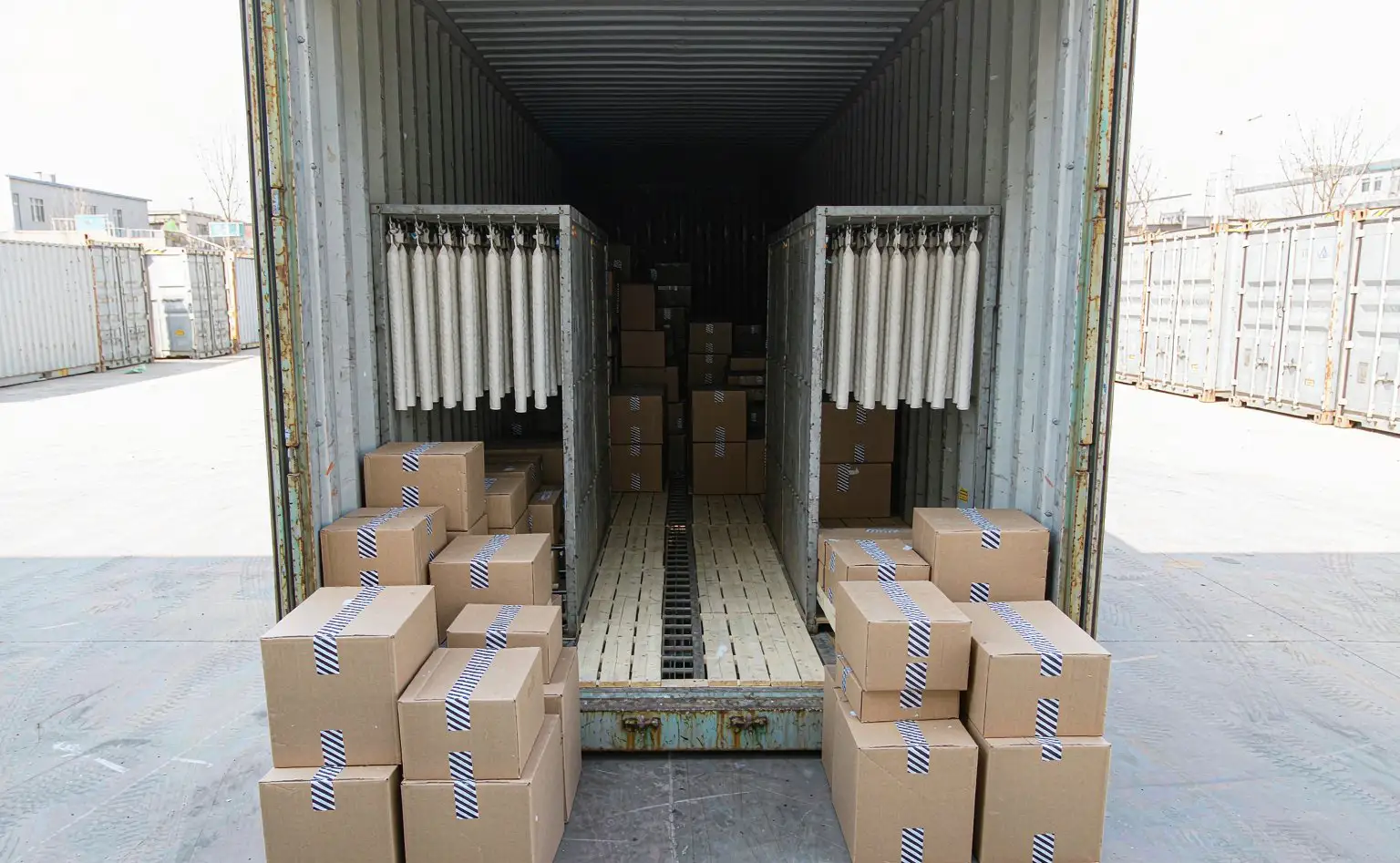
Four points carry the work. The injection and assembly shop and the finished-goods store hold relative humidity below 60% and store liners separately, off the wall and off the floor, first-in first-out. The carton takes iHeir-D gas-phase antimicrobial and mould inhibitor at 0.1-0.2 g of active per sheet, and the container carries T-1000 container desiccant sticks at 8-10 per 20ft box, chloride-free and pH neutral, hung before the doors close. Samples and TDS are available for a configuration check against your carton sizes and container types.


