




 View Count:41
 Date:2026-10-09
Should consumer electronic accessory mould be handled by spray coating or by dipping? Spray coating suits large housings and dipping suits small and awkward parts, but on both routes the mould protection has to go into the material or the coating first, and the surface pass only sets appearance and feel. A PVC or PU coating takes iHeir-JS117 plastic anti-mildew powder at 0.5%-1.0% on coating weight, and dark housing parts take iHeir-ECO plastic antimicrobial agent at 0.3%-1.0% on part weight. This article covers the two routes, the dilution and the dosage figures.
1. Spray coating and dipping: two routes for housings and small parts
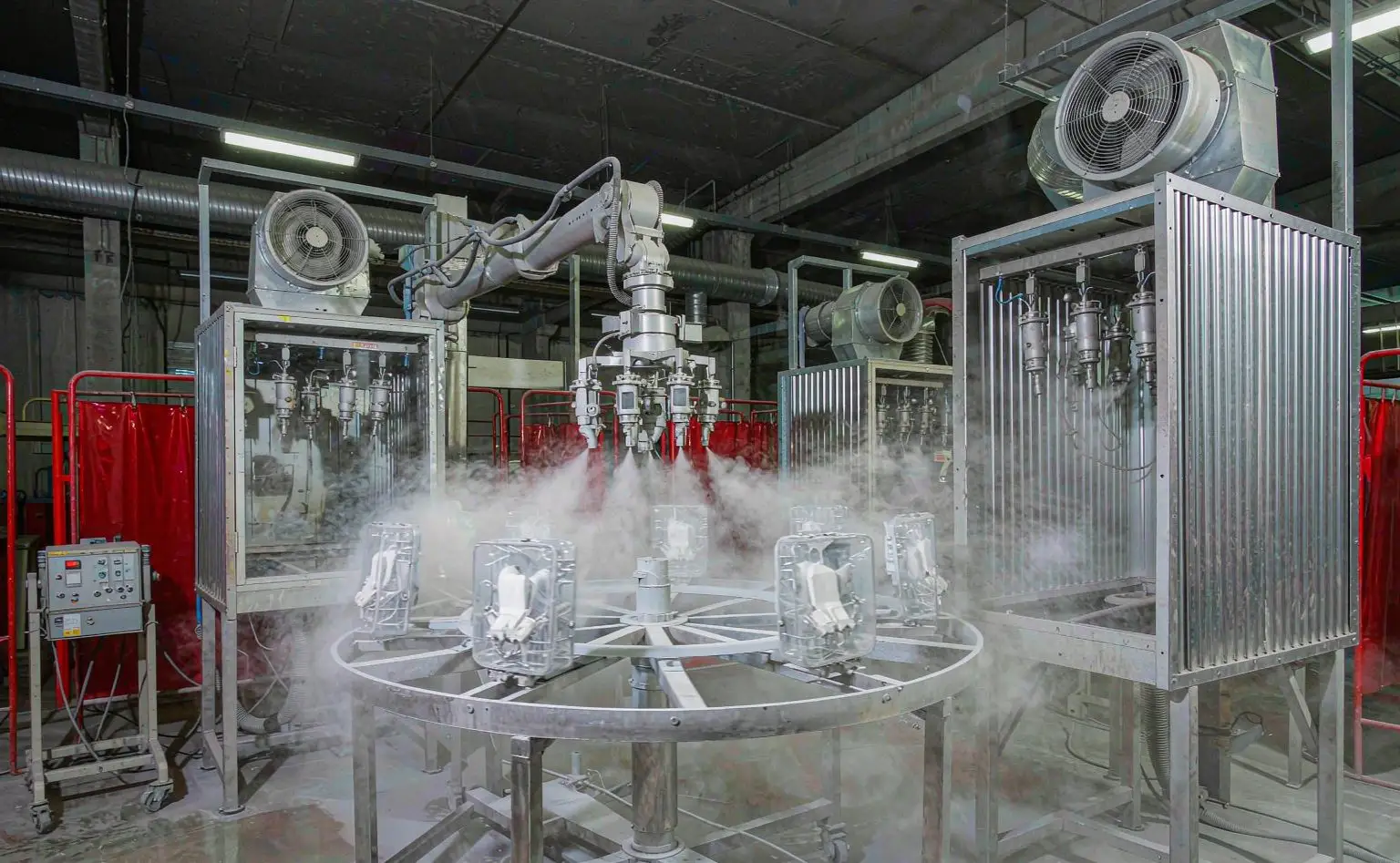
Consumer electronic accessory surfaces are finished by one of two common routes. Spray coating atomises the treatment liquid onto the surface and suits regular, large-area parts where the pick-up is easy to control and the finish looks even; dipping lowers small parts in a mesh basket into a tank and suits parts that are small, awkward or hollow, where spray cannot reach the inner wall.
The two routes differ in three places. First, the pick-up: spray wets one face at a time while dipping wets the whole part, so cavities and blind holes can only be covered by dipping. Second, the process: spray is set by atomising pressure, gun speed and the number of passes, while dipping is set by tank concentration, dwell time and withdrawal speed. Third, the drying: a sprayed film is thin and dries fast, while a dipped part carries more liquid, dries slowly and can yellow on clear parts at high heat.
But both routes solve a surface problem. What decides the service life against mould is whether the protection went into the material or the coating. A good surface pass buys appearance and feel; without the body layer underneath, a damp spell still lets mould start inside the material. So fix the body protection before choosing a route.
2. The two routes at a glance
The table lines up the parts, the pick-up, the process parameters, the drying conditions and the points to watch, so it can serve as the first draft of a process card.
| Route | Parts | Pick-up | Key parameters | Points to watch |
|---|---|---|---|---|
| Spray coating | Large regular housings | One face, atomised | Atomising pressure, gun speed, passes | Cavities and blind holes are missed; turn awkward parts and touch up |
| Dipping | Small, awkward or hollow parts | Whole part wetted | Tank concentration, dwell time, withdrawal speed | More liquid carried, slower drying; control heat so clear parts do not yellow |
| Body protection (dark parts) | Housing resin | In with the compound | 0.3%-1.0% on part weight | Use iHeir-ECO in the masterbatch or premix |
| Coating system | PVC or PU coating | Added with the slurry | 0.5%-1.0% on finished weight | Use iHeir-JS117 powder and disperse it before application |
Four rows, one conclusion: spray and dipping decide the pick-up and the finish, while the body layer and the coating decide the service life, and the two products are figured on different bases, one on part weight and the other on finished weight, so they do not swap.
3. The spray stage: housings and the coating system
Housings are sprayed, but the body protection goes in before the booth. Dark and regular housing parts take iHeir-ECO plastic antimicrobial agent at 0.3%-1.0% on part weight, in with the masterbatch or a premix, and act through the whole part so wiping and touch after spraying will not rub them off. On the coating side, a water-based or solvent-based system takes iHeir-JS117 plastic anti-mildew powder at 0.5%-1.0% on finished weight, added at the dispersion stage so the powder spreads through the system.
Three details. First, fix the atomising pressure and gun speed, because an uneven film means an uneven pick-up and a mould layer that runs thick and thin. Second, awkward parts and hollow parts cannot be sprayed, so either turn them and touch up or move them to dipping. Third, when the coating is PVC or PU, prefer JS117, since it is above 97% active content with a bulk density of 380 kg per cubic metre and does not settle to the tank floor once dispersed.
4. The dipping stage: small parts and the drying conditions
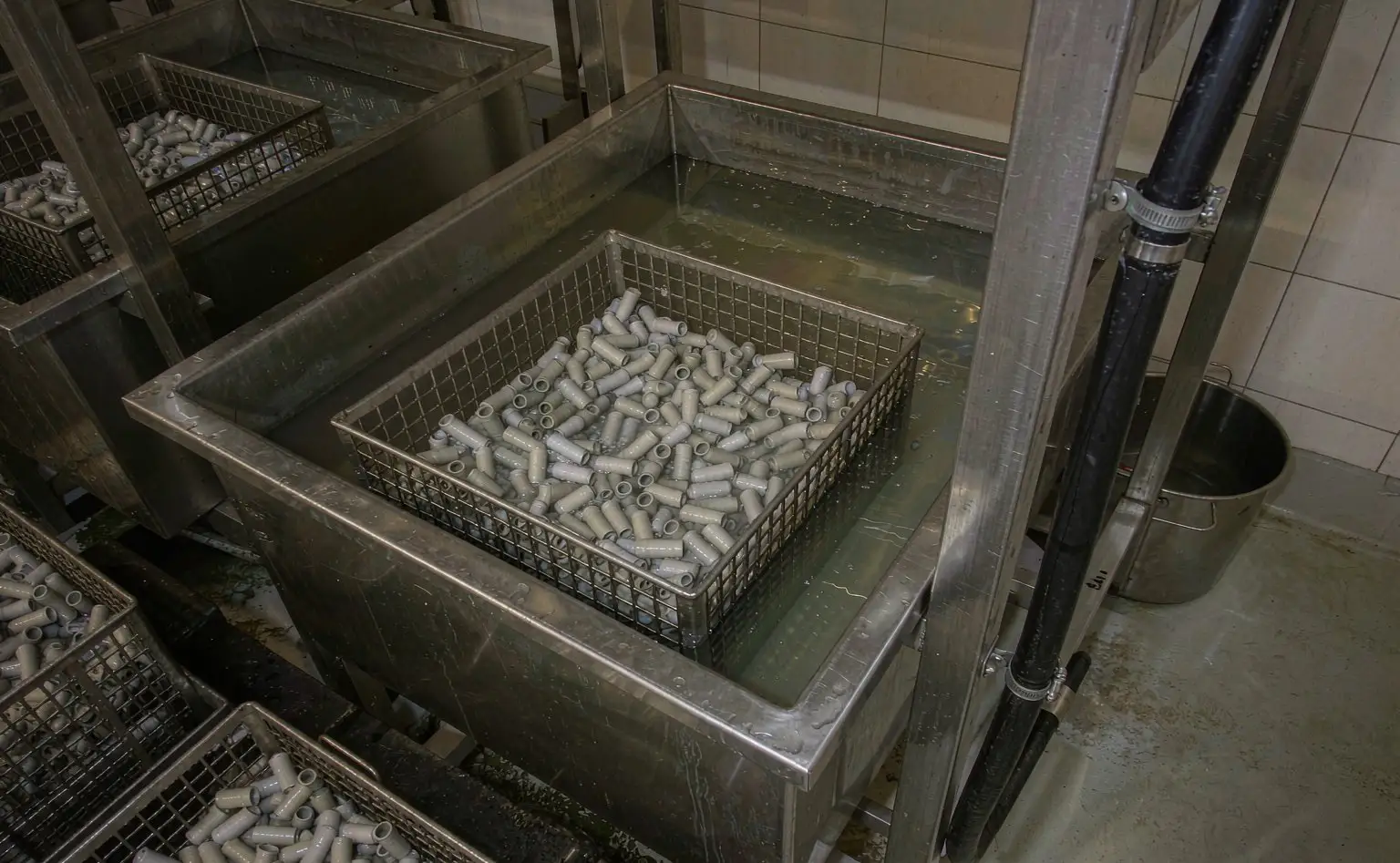
Small and awkward parts are dipped. The work goes into a mesh basket and down into the tank so the corners and cavities all wet, then out at a set withdrawal speed into the drying section. Tank concentration and dwell time are the two main settings: a stronger tank picks up more and a longer dwell penetrates further, but both carry more liquid and dry more slowly. Set the drying temperature by the part material; clear and pale parts are the most sensitive, so stretch the time rather than raise the heat.
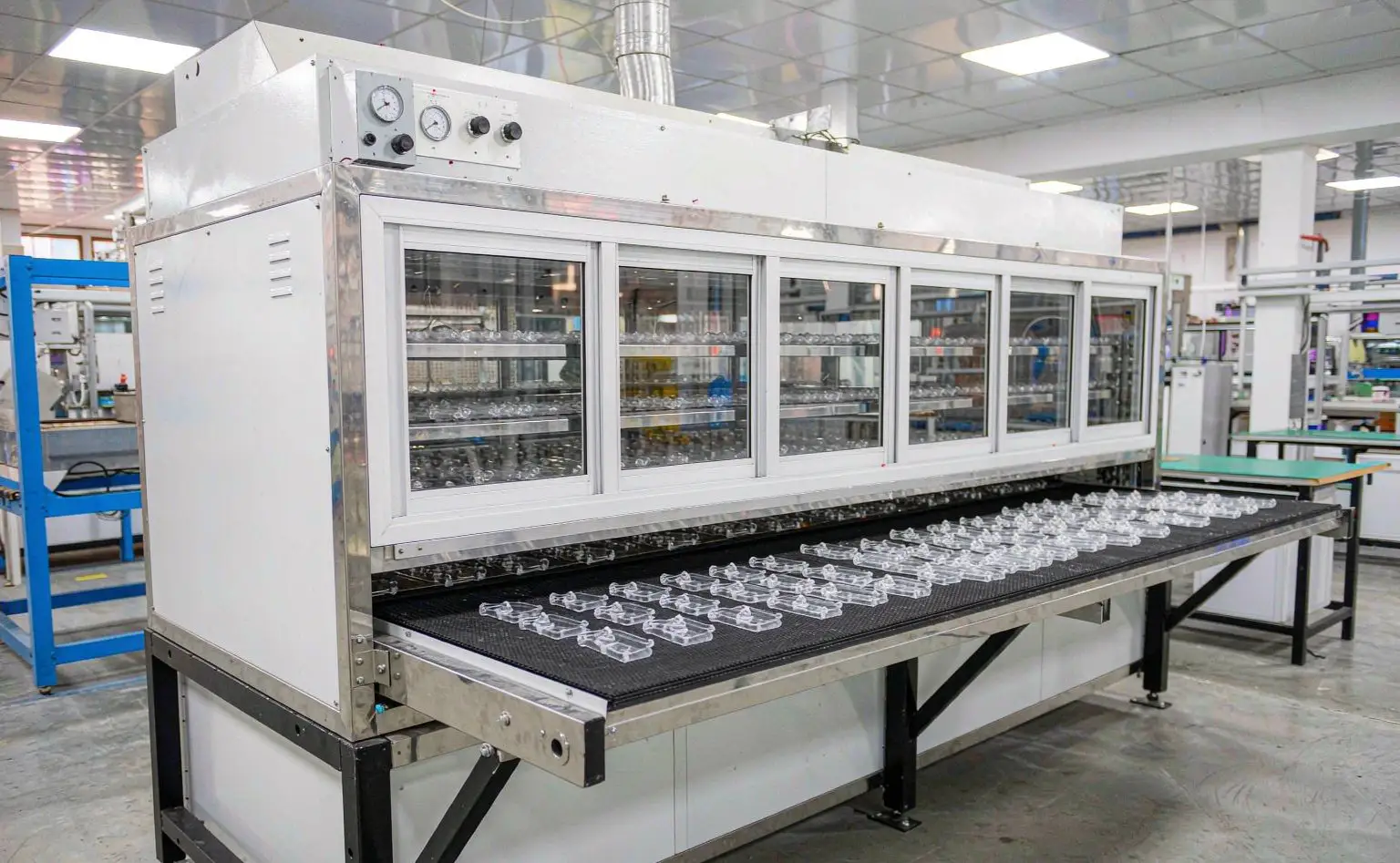
Three details. First, choose a non-yellowing grade for clear parts, where whiteness and particle size are the two key figures, and do not run a dark-part compound in a clear shell, since one shade off downgrades the whole batch. Second, top up and check the tank on a schedule, because the additive the work carries out has to go back in or the bath weakens as dipping goes on. Third, dry slowly at a set temperature after withdrawal; fast drying leaves flow marks and yellows clear parts early.
5. The body layer and plant humidity: the floor under both routes
Whichever route you pick, the body layer is the floor under it. Dark housing parts take iHeir-ECO at 0.3%-1.0% at the mixing stage, and the coating side takes iHeir-JS117 at 0.5%-1.0%, so the two together hold both the material and the water. Plant humidity matters too: hold the spray booth and the dipping line below 60% relative humidity to cut the water film on the work.
Movement and storage after drying need the same care. Let the parts cool to room temperature before bagging, because a hot part bagged straight from the oven condenses inside the bag; clean the tote boxes on a schedule so dust does not carry spores; and check the moisture once before dispatch. The selection and curing figures for surface treatment are set out in antimicrobial choice for clear engineering plastic parts.
6. Questions that come up: both routes at once, and how to choose for clear parts
Can a part be sprayed and dipped? It is rarely needed. Spray sets the appearance and dipping reaches the cavities, so one route by part geometry is enough; running both only raises cost and rejects, and the service life still comes from the body layer.
Which grade should a clear part use? Look at whiteness and particle size and choose a non-yellowing, finely dispersed grade, then run a small sample to check shade and light transmission. A dark-part compound cannot be used in a clear shell, and the two do not share figures.
Can a stronger tank shorten the dwell? Not as a rule. A stronger tank picks up more but also carries more and dries more slowly, so fix the concentration and the time by material, top up and check on a schedule, and value consistency over one strong dip.
Three points carry the work: the body layer goes in at the mixing and plasticising stage (iHeir-ECO at 0.3%-1.0% on part weight for dark housings), the coating system takes its additive at the dispersion stage (iHeir-JS117 at 0.5%-1.0% on finished weight for PVC or PU coatings), and the surface pass is one route, spray or dipping, chosen by part geometry. Samples and TDS sheets are available for a trial on your line.


