




 View Count:48
 Date:2026-10-09
Where should damp be controlled to keep consumer electronic accessory mould out of an export shipment? These parts are small and densely packed, so mould starts on the inner layers and the packing liner once the carton is closed. Hold the assembly line below 60% relative humidity, control damp by stack in the store, and when packing place iHeir-D gas-phase antimicrobial and mould inhibitor (0.1-0.2 g per sheet) or Power Pak powerful anti-mildew and deodorizing tablets. This article covers the two damp-control areas and the packing points.
1. Where to control it: assembly, the finished-goods store and packing
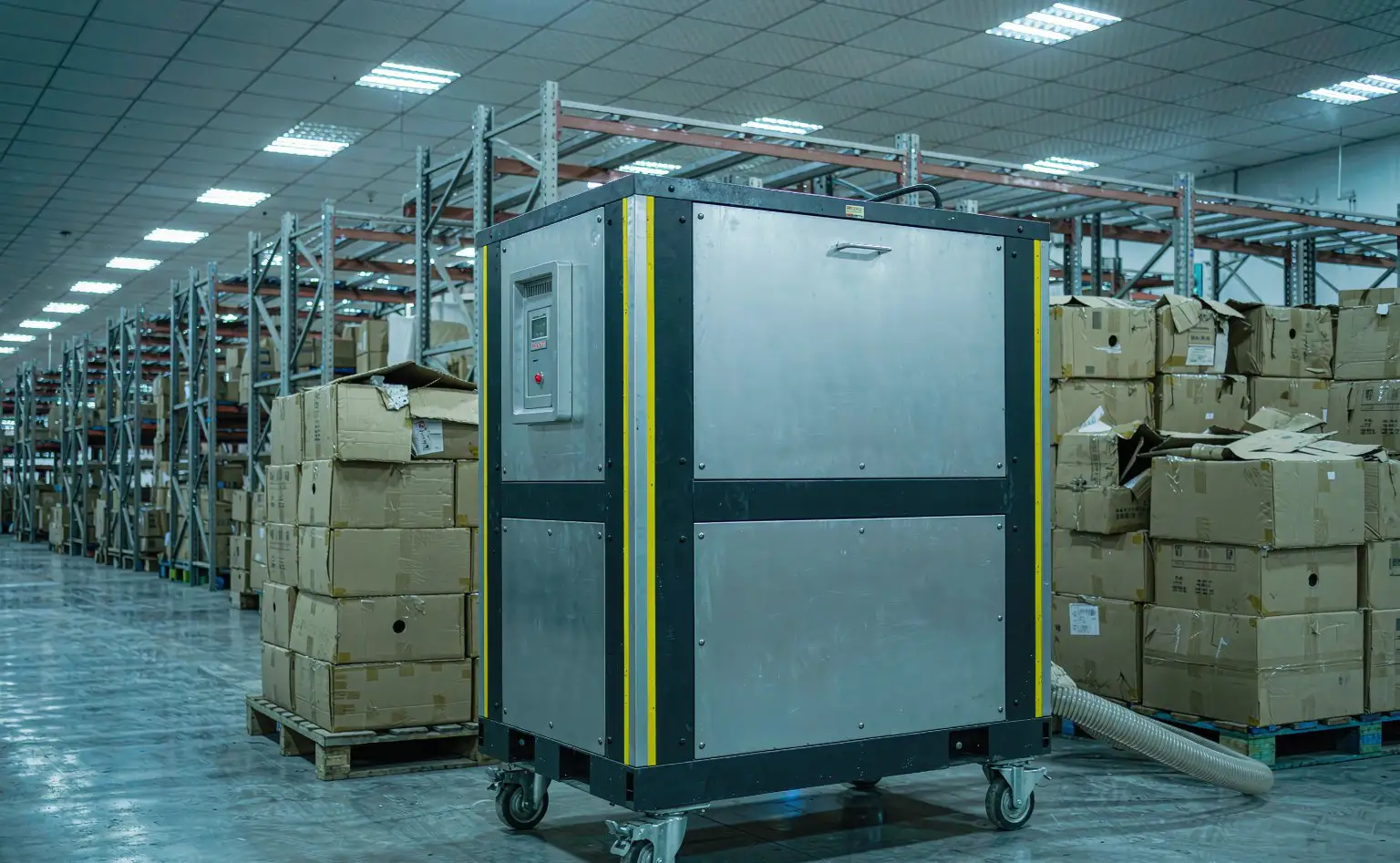
An export shipment of consumer electronic accessories dampens from three sources. At assembly the benches and tote boxes sit in an open plant, and in the rainy season the humidity climbs fast, so the parts meet wet air between assembly, testing and bagging. In the finished-goods store a stack gets no air once it is built, and the core of the stack and the packing liner take up damp first, the longer the goods sit the worse it gets. At packing, once the cartons are loaded the day-to-night swing in a container condenses moisture over and over, which is the hardest stretch of the voyage to control.
The three stages fail for different reasons, so they are handled differently. Assembly leans on plant humidity control and movement management, the store leans on humidity control and racking management, and packing leans on gas-phase protection and in-container absorption. Fold the three into one measure and the plant is covered while the container is not.
Two figures tell you where to start: the relative humidity in the plant and store, and the moisture content of the cartons and liners. Humidity that will not come down points to an undersized dehumidifier or a leaking door; high liner moisture means the water was not driven off before the stack was built.
2. The two damp-control areas and the packing points at a glance
The table lines up the step, what is treated, the method, the figures and the points to watch, so it can serve as the first draft of an export damp-control work card.
| Step | Treated item | Method | Figures | Points to watch |
|---|---|---|---|---|
| Assembly line | Plant air | Dehumidify plus door air curtains | Below 60% relative humidity | Clean the totes on a schedule; check moisture before bagging |
| Finished-goods store | Air in the stack | Store humidity control plus gas-phase sheets by stack | Below 60% relative humidity | The core of the stack is airless, so damp works out from inside |
| Packing (liner and paper) | Paper / liner | iHeir-D gas-phase antimicrobial and mould inhibitor | 0.1-0.2 g per sheet | Leave a gap to the liner; pressed flat the gas cannot spread |
| Packing (finished space) | Space in the carton | Power Pak powerful anti-mildew and deodorizing tablets | Works in about 72 hours; renew every 15 days | Dose by the space; renew on long voyages |
Four rows, one conclusion: the assembly line and the store control humidity by dehumidification rather than an additive, and only the two packing rows dose an anti-mould product, one by sheet and the other by space.
3. The assembly line: how to hold a low-humidity environment
The mould at assembly is not on the part but in the air. Hold the assembly line below 60% relative humidity, and do it with dehumidification capacity and door discipline: size the dehumidifiers to the plant volume and air changes, add air curtains at the material doors and the staff route so wet air does not flow back in, and run them hard through the rainy season rather than waiting for the humidity to spike.
Movement and bagging need the same care. Clean the benches and tote boxes on a schedule so dust does not carry spores, and check the moisture once before sealing the bag; do not bag a hot part, because condensation forms inside the bag. The assembly stage doses no anti-mould product, since the dosing point is later at packing; here it is enough to keep the water out.
4. The finished-goods store: humidity and racking
Damp in the store works out from the core of the stack. Once the parts are stacked there is no air inside, and the core and the packing liner take up damp first and work outward; place gas-phase sheets by stack, keep them apart from the goods with a liner, and hold the store below 60% relative humidity. For goods that sit a while, drive the moisture of the whole stack down before dispatch and do not carry the water into the container.
Racking is easily overlooked. Leave an air channel between the stack and the wall and between stacks, keep pallets off the floor so ground damp does not climb, and follow first in first out so an early batch is not buried at the back for half a year, and size the store dehumidifiers to the volume as in the plant.
5. Packing: how to place the gas-phase sheets and the tablets
Packing is handled in two layers. The paper and the liner take gas-phase paper: sheets or sachets made with iHeir-D gas-phase antimicrobial and mould inhibitor carry 0.1-0.2 g of active content per sheet, placed inside the carton with a gap to the liner so the active content releases slowly into the pack and holds down the humidity and the mould on the paper side. It is a product printed with a special ink and works by gas-phase diffusion, not by spraying the paper surface.
The finished space takes Power Pak powerful anti-mildew and deodorizing tablets dosed by the space, which works in about 72 hours and on a long voyage is renewed every 15 days; with strong penetration and deodorising as well, it suits footwear, leather goods, bags and electronics packing. The dose follows the space, so a big carton takes more and a small one less.
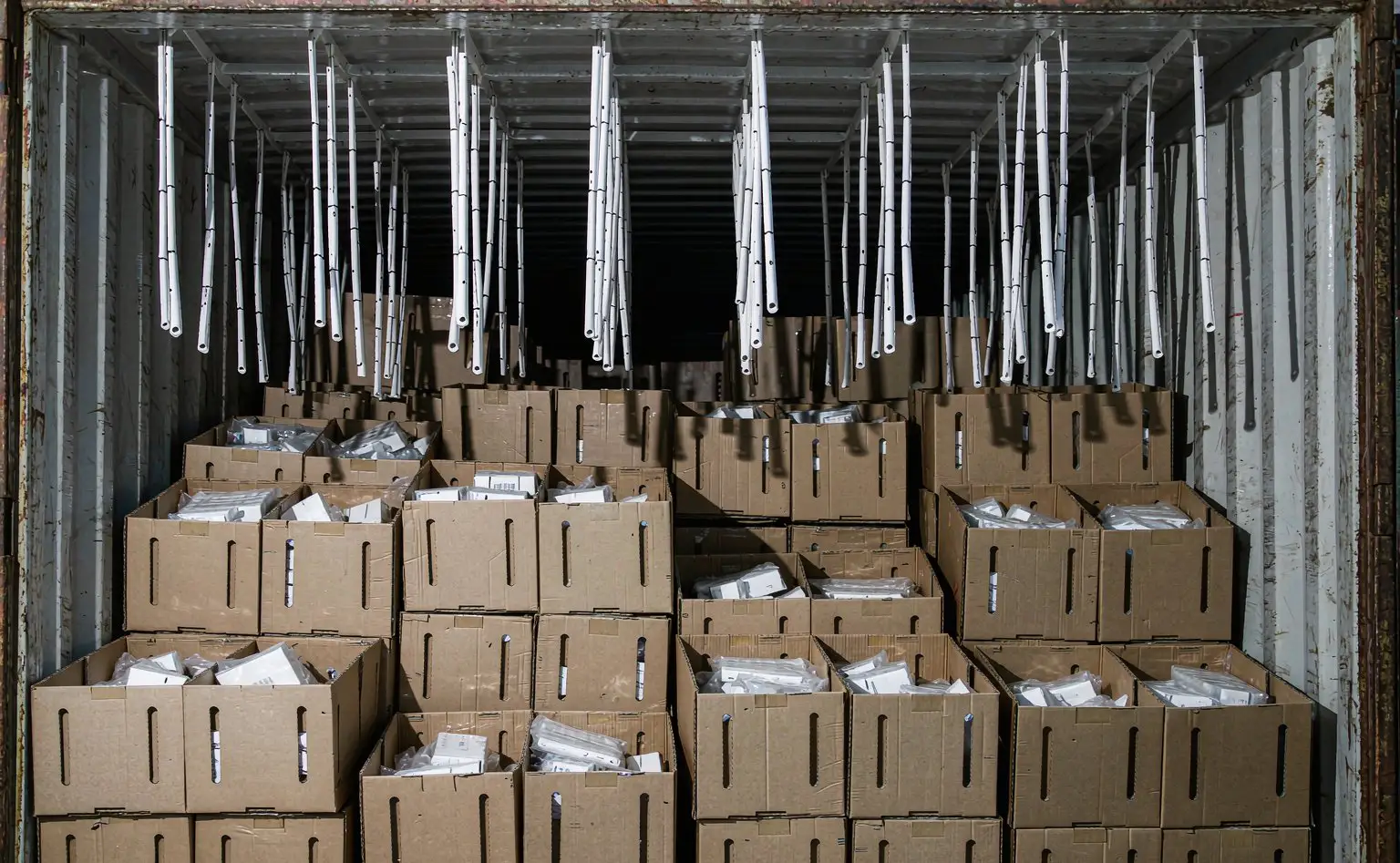
The container itself takes desiccant sticks by carton type to steady the humidity on the voyage. Loading order matters too: lay the base, stack the cartons, and hang the sticks last, rather than burying the sheets at the bottom; leave an air path through the cartons and confirm the air has moved before sealing. The gas-phase method for paper and liner is set out in how much desiccant goes into a container at sea.
6. Questions that come up: packing after plant control, and how many sheets
If the plant and the store are both controlled, is packing protection still needed? Yes. The day-to-night swing inside a container is not something the store can reach, and condensation forms again and again on the voyage; plant and store control covers the period before dispatch and packing protection covers the voyage, so the two do not replace each other.
How many gas-phase sheets and tablets? The sheets are counted by sheet and the tablets by space. A sheet carries 0.1-0.2 g of active content and needs a gap to the liner; the tablets follow the carton space and are renewed every 15 days on a long voyage.
Is 60% relative humidity in the store enough? That is the floor, not the whole answer. Add gas-phase sheets by stack, leave an air channel between stacks, keep pallets off the floor and follow first in first out; dehumidifying alone without racking management still lets the core of a stack dampen.
Three points carry the work: hold assembly below 60% relative humidity and control the store by stack with gas-phase sheets, both environment measures, and at packing place iHeir-D gas-phase sheets (0.1-0.2 g per sheet, with a gap) on the paper and liner side and Power Pak tablets (working in about 72 hours, renewed every 15 days) in the finished space, with desiccant sticks by carton type in the container. Samples and TDS are available for a trial.


