




 View Count:52
 Date:2026-10-07
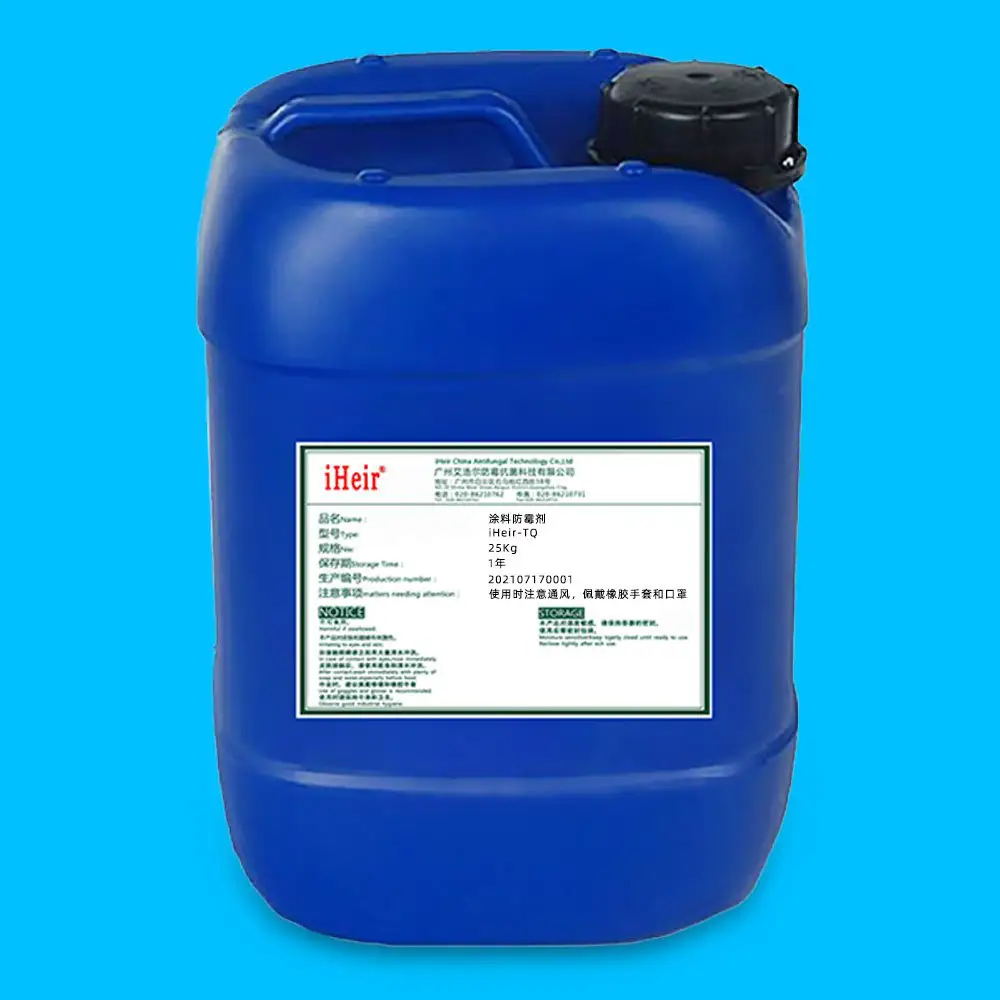
How should the agent for oil painting canvas mould be made up? Canvas is three layers, a cotton or linen base cloth, a sizing layer and a coating, and the mould usually starts in the size and the back cloth, so treating the coating alone does not reach it. The sizing stage takes iHeir-TQ coating mould inhibitor at 2%-3% on the weight of the sizing system (liquid, pH 6-7), and the coating stage takes iHeir-BCA paint mould-proof powder at 0.5%-0.75% on the weight of the coating (alkaline-tolerant to pH 10). This article covers the two dosing points and the figures.
1. Where the mould comes from: base cloth, size and coating are three layers
Canvas is three layers. Innermost is the cotton or linen base cloth, whose fibres take up moisture and hold water in the gaps; next is the sizing layer, which fills the cloth with a starch or PVA liquor and is itself food for micro-organisms, so it is the first place to smell and go mouldy once moisture content runs high; and outermost is the coating, which gives handle and whiteness and keeps some vapour out. If any one layer goes damp, the mould pushes out through the size and finally shows as spots on the coating.
So the protection is split by layer. The sizing stage and the coating stage are the two stages where an agent can be added, while the base cloth takes no agent of its own and is protected by controlling moisture ahead and blocking it behind. Merge the two into one treatment and only the outside is guarded, while the size still grows mould.
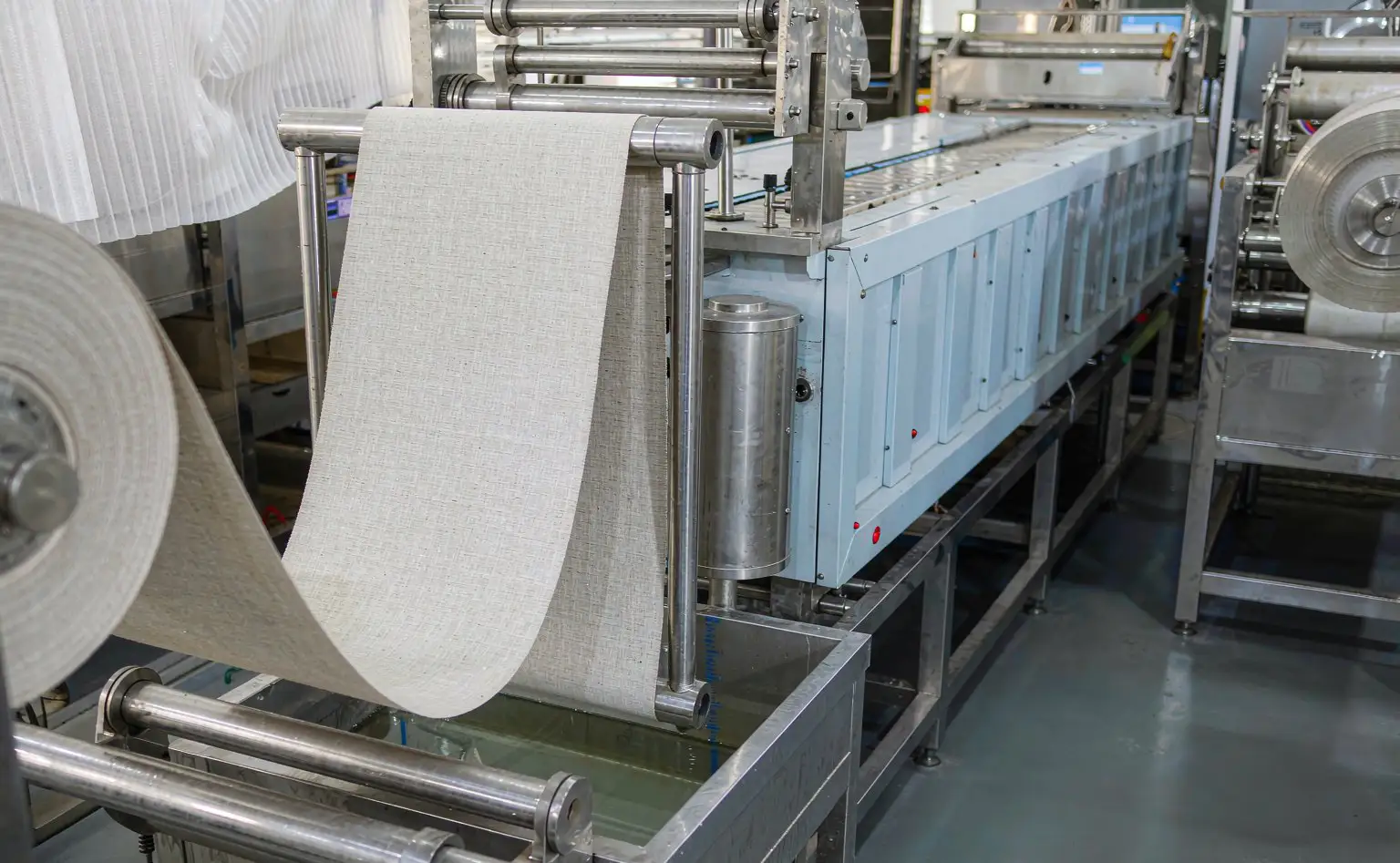
Order matters: sizing comes first and coating after, and both run continuously on the same coating line, so the neatest arrangement is one addition point at the size trough and one at the coating trough. Spraying the finished roll afterwards reaches neither the middle of the size layer nor the back cloth.
2. The two stages at a glance: sizing and coating
The table lines up the stage, what is treated, the product, the form, the figures and the points to watch, so it can serve as the first draft of a process card.
| Stage | Treated item | Product | Form | Figures | Points to watch |
|---|---|---|---|---|---|
| Sizing | Sizing system | iHeir-TQ coating mould inhibitor | Liquid | 2%-3% on system weight | pH 6-7, 45% active; add with the size and disperse evenly |
| Coating (alkaline) | Coating system | iHeir-BCA paint mould-proof powder | Powder | 0.5%-0.75% on coating weight | Alkaline-tolerant pH 5-10, particle size 4-30 microns; suits thick and alkaline systems |
| Coating (neutral) | Coating system | Grade selection (by system pH) | Liquid or powder | Read the system pH and process | Prefer powder for an alkaline system and liquid for a neutral or acid one; fix pH before choosing |
| Cotton or linen base | Fibre | Control only (not one of the two lines) | – | Protected by the two stages | The base takes no agent of its own; control the moisture going into the size trough |
| Reeled goods and store | Air in the roll and the store | Humidity control only | – | Below 60% relative humidity | Store upright, off the floor and off the wall; tight stacks and stuffy stores are where mould spikes |
Five rows, one conclusion: sizing and coating are two stages that each take their own agent, the base cloth takes none and is protected by the two stages and by humidity control, and the two figures never move across.
3. The sizing stage: TQ liquid at 2%-3% in the size
The sizing stage is completed at the size trough. Add iHeir-TQ coating mould inhibitor at 2%-3% on the weight of the sizing system, premixing it with a little size before it goes into the trough, and hold the pH at 6-7 with 45% active content. It is an in-can type, so it goes into the size layer with the liquor and keeps suppressing mould while the size is stored and after sizing, which suits starch and PVA systems that go mouldy easily.
Three details. First, the figure is on the weight of the sizing system, so any change in the recipe means recalculating rather than working back from the weight of the cloth. Second, pH 6-7 is its comfort zone, and where the system runs alkaline it is worth checking whether the powder line below is the better route. Third, where the size trough uses reclaimed liquor, high-reclaim batches belong at the top of the range. See how to choose an anti-mould agent for coatings for the grade.
4. The coating stage: BCA powder at 0.5%-0.75% in the coating
The coating stage is completed in the coating system. Add iHeir-BCA paint mould-proof powder at 0.5%-0.75% on the weight of the coating, wetting and dispersing the powder in a little coating or solvent before it goes into the trough. It is over 97% active with a particle size of 4-30 microns and tolerates pH 5-10, which makes it steadier in alkaline and thick systems and a common choice for acrylic and styrene-acrylic water-based coatings. It ships in 25 kg fibre drums with a 12-month shelf life.
Three details. First, powder tipped straight in tends to lump, so it must be wetted and dispersed first, or the concentration is uneven and the film shows specks. Second, its strength is alkaline tolerance, so where the coating itself runs acid, drop back to the liquid line. Third, where the coating has to keep its whiteness and handle, set the loading at the low end of the range for a small sample and check whiteness and handle before going higher. For water-based coatings that smell and go mouldy in the can, see water-based paint that smells mouldy after opening.
5. Reeled goods and store: the finishing stage that takes no agent
Canvas usually ships in rolls, which are tightly wound and poorly aired, so ventilation will not carry moisture out of the core of a stack or the middle of a roll. Place gas-phase sheets by stack, leave a passage between rolls, and hold the store below 60% relative humidity; store the rolls upright, off the floor and off the wall so they do not draw damp from behind. Bring the moisture of the rolls down before loading, because condensation inside the container is the ignition point, especially on a long sea voyage.
6. Questions that come up: one figure for both stages, powder or liquid
Can sizing and coating share one figure? No. The sizing stage takes 2%-3% on the weight of the sizing system and the coating stage 0.5%-0.75% on the weight of the coating; the denominators and the order of magnitude both differ, so copying the number either falls short or overshoots.
Powder or liquid, how do you choose? Read the system pH first. Prefer powder for an alkaline and thick system (alkaline-tolerant pH 5-10, particle size 4-30 microns) and liquid for a neutral or acid sizing system (pH 6-7, 45% active); measure the pH and then choose, rather than going by habit.
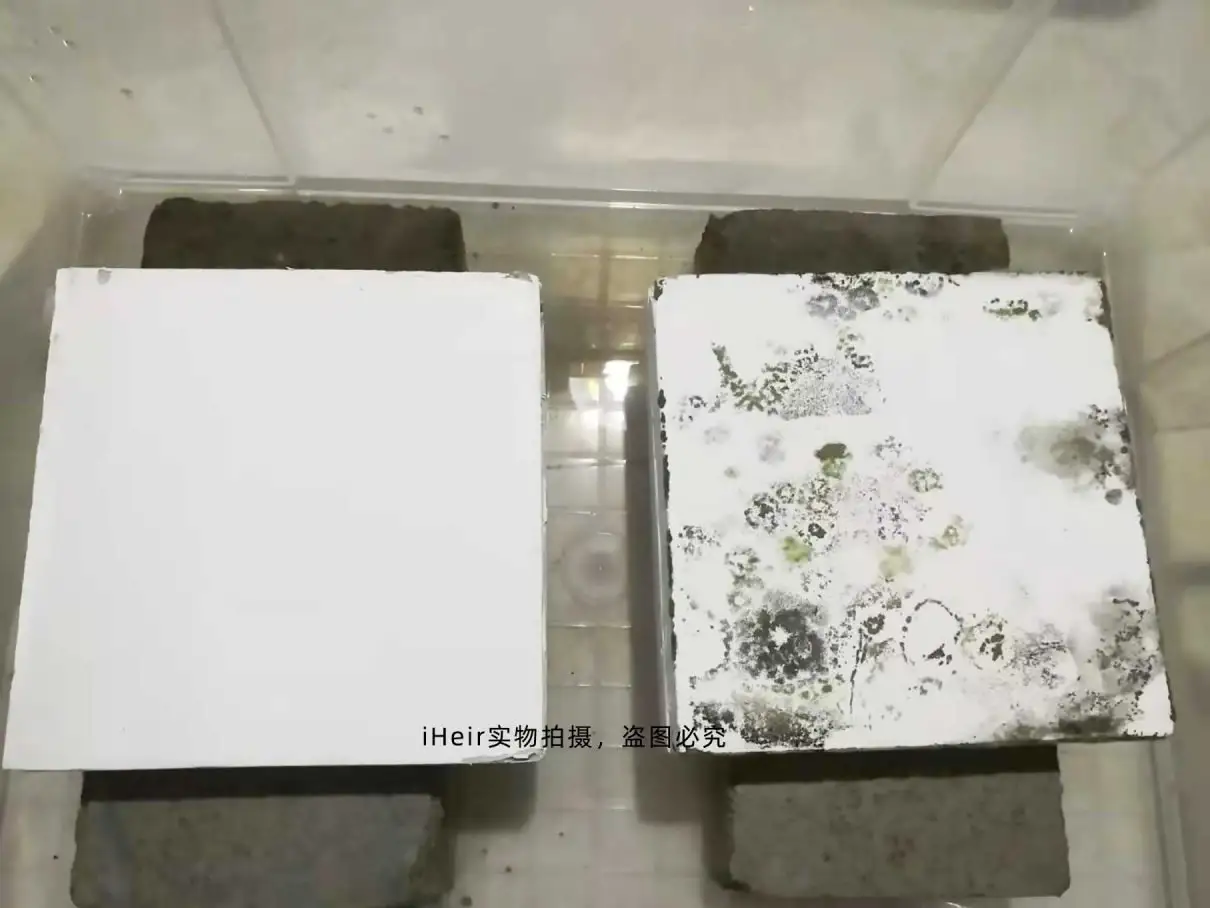
Is the coating alone enough? No. The mould usually starts in the size and the back cloth, so with the size untreated a thicker coating only gets spots pushing out from behind; both stages have to be treated at their own point in the line.
Two dosing points carry the work: the sizing stage adds the agent at the size trough (iHeir-TQ liquid at 2%-3%, pH 6-7, 45% active) and the coating stage adds it at the coating trough (iHeir-BCA powder at 0.5%-0.75%, alkaline-tolerant pH 5-10, particle size 4-30 microns, 25 kg fibre drum). The base cloth takes no agent of its own, and the store and container are held by humidity control and gas-phase sheets. Test the long-term growth by a method such as ASTM G21 and hold a complete sample per batch, since testing the size alone or the coating alone does not count. Samples and TDS sheets are available for a trial against your existing recipe.


