




 View Count:45
 Date:2026-10-09
Where does consumer electronic accessory mould start, and at which stages is it dosed? These parts are mostly small plastics plus cable, and after bulk packing the mould usually starts on the inner turns of the coiled cable and on the packing liner. The moulded parts take iHeir-ECO plastic antimicrobial agent at 0.3%-1.0% on part weight, and pale or clear parts use iHeir-IPL inorganic plastic antimicrobial agent at 0.8%-1.0%. This article covers the three points at injection moulding, cable extrusion and assembly, with the figures and the damp-control rules.
1. Where the mould comes from: the moulded part, the cable and the assembly stage
A consumer electronic accessory is a combination of plastics, cable and packing: housings, brackets, connector bodies, cable sheathing and a packing liner. The three stages fail in different ways, so work out which one is at fault before choosing where to dose.
At injection moulding the mould comes from the material and from water. Pellets take up damp and the masterbatch and regrind carry spores; the part leaves the tool with release agent and oil on the surface and sits in an unventilated bin, so grey spots appear within days. At cable extrusion it comes from water and temperature swing: the sheath compound is extruded hot and then water-cooled, the cable holds water, and once it is coiled the inner turns get no air, which is the first place to mould inside a sea container. At assembly and packing it comes from the liner: the bench, the tote boxes and the packing liner all take up damp, and once the part is bagged and the carton sealed, that damp is locked in until the box is opened.
The three stages take their agent in different places. At injection moulding the additive goes in at the mixing and plasticising stage with the masterbatch or a premix; at cable extrusion it goes in when the sheath compound is blended; and at assembly and packing no agent is dosed at all, only damp control and cleaning.
2. The three dosing points at a glance
The table lines up the stage, what is treated, the product, the figures and the points to watch, so it can serve as the first draft of a process card.
| Stage | Treated item | Product | Figures | Points to watch |
|---|---|---|---|---|
| Injection moulding (dark and regular parts) | Part / resin | iHeir-ECO plastic antimicrobial agent | 0.3%-1.0% on part weight (PE/PP 0.3%-0.5%, PVC 0.5%-1.0%) | In with the masterbatch or a premix; thermal stability 240 degrees, clear of 320 degrees |
| Injection moulding (pale and clear parts) | Part / resin | iHeir-IPL inorganic plastic antimicrobial agent | 0.8%-1.0% on part weight | Whiteness above 90 and 1-2 micron particle size, so pale and clear parts do not yellow or cloud |
| Cable extrusion | Sheath compound | iHeir-ECO plastic antimicrobial agent | 0.5%-1.0% on PVC sheath weight | Premix with plasticiser and stabiliser before the machine; blow the line dry before winding |
| Assembly and packing | Plant and liner | Damp control only | Below 60% relative humidity | Clean benches and totes on a schedule; check the liner moisture before cartoning |
One conclusion from the four rows: the part is figured on part weight and the sheath on sheath weight, so the dose bands differ, and assembly and packing take no agent.
3. Injection moulding: ECO for dark parts, IPL for pale and clear parts
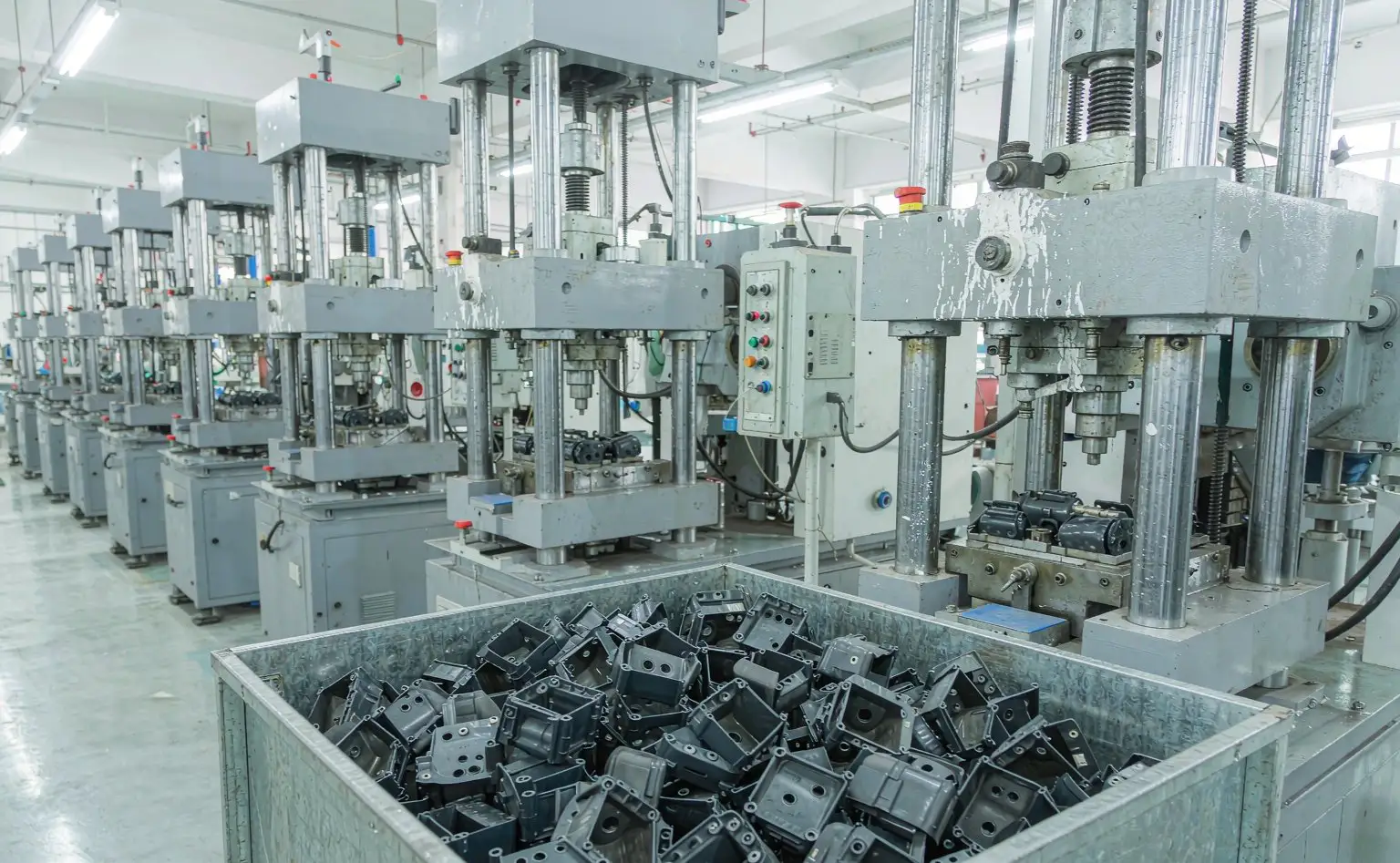
The moulded part takes its additive at the mixing and plasticising stage. Dark and regular polyolefin parts take iHeir-ECO plastic antimicrobial agent at 0.3%-1.0% on part weight, with general PE and PP at 0.3%-0.5% and PVC at 0.5%-1.0%. ECO bonds with the resin and is distributed through the whole part rather than sitting on the surface, so ultrasonic washing, assembly friction and wiping after moulding will not rub it off; thermal stability reaches 240 degrees and the process temperature should stay clear of 320 degrees.
Pale and clear parts switch to iHeir-IPL inorganic plastic antimicrobial agent at 0.8%-1.0% on part weight. Its active core is a silver compound with whiteness above 90 and a 1-2 micron particle size, so it does not yellow or cloud in pale and clear parts and holds to 300-320 degrees, which suits housing parts that are sensitive to light transmission and shade. Both are masterbatch or premix grades, and even dispersion is what keeps quality consistent.
Three details. First, the figure is on total part weight, regrind included, so any change in the regrind ratio means recalculating, and high-regrind batches belong at the top of the range. Second, for clear parts run a small sample to check shade and light transmission before a full batch, and do not run a dark-part compound in a clear shell. Third, verify the antibacterial and anti-mould effect by ISO 22196 for antibacterial surfaces on plastics and ISO 846 for plastics exposed to fungi, and hold a sample from the same batch, since one colour alone proves nothing.
4. Cable extrusion: ECO goes in with the sheath compound
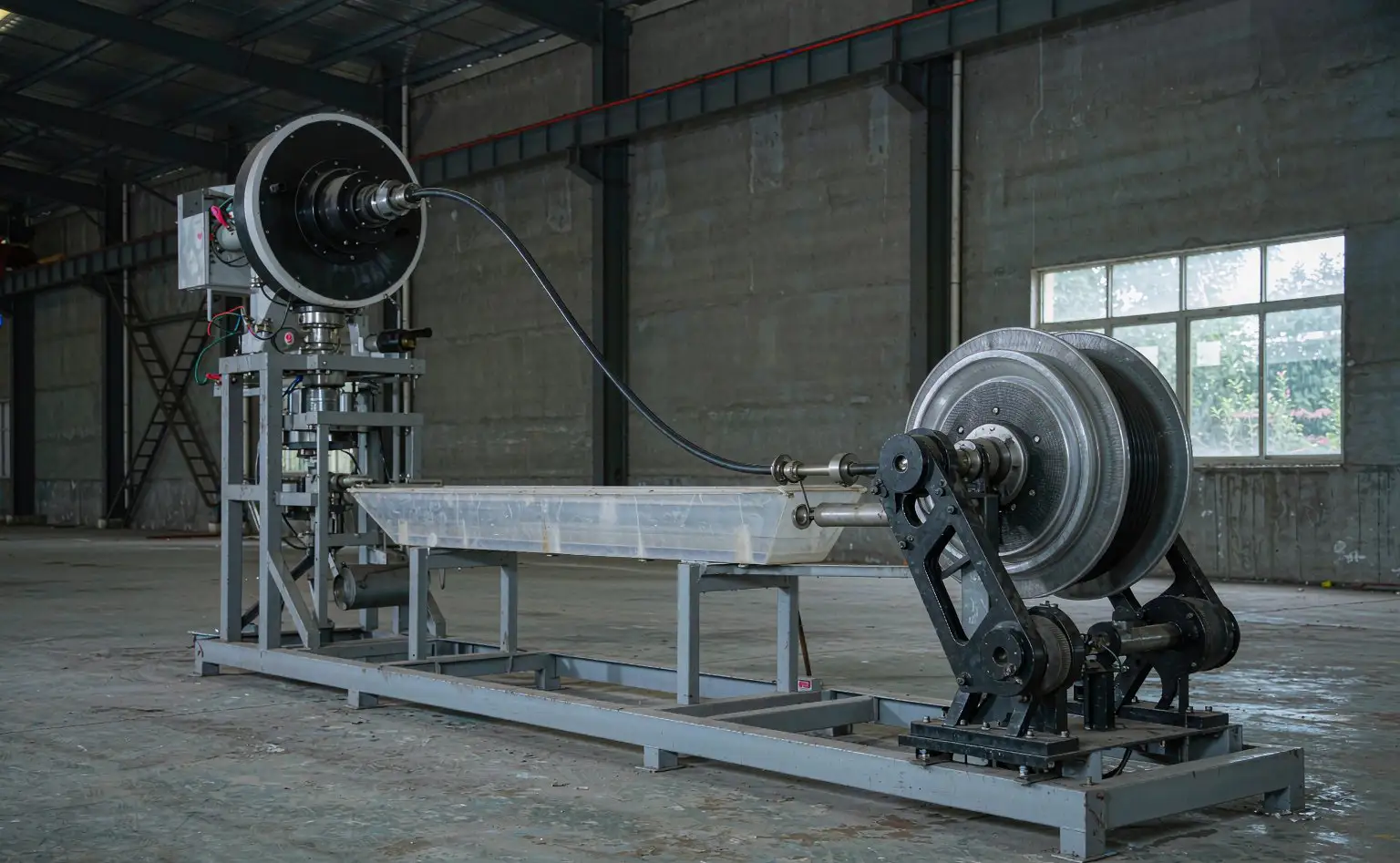
The sheath of a data or power cable is mostly PVC or TPE. At the blending stage the sheath compound takes iHeir-ECO plastic antimicrobial agent at 0.5%-1.0% on PVC sheath weight, premixed with the plasticiser and stabiliser before the machine. The sheath is water-cooled after forming, so the additive sits inside the sheath and cannot be wiped or rubbed off when the cable is coiled.
Three details. First, the sheath compound is a different grade from the moulded part, so its figure is calculated on sheath weight alone; do not carry over the moulding ratio. Second, extrusion runs at a different temperature from moulding, so hold the PVC sheath temperature and avoid long residence at high heat that drives the additive off early. Third, blow the line dry after the cooling trough before winding, because coiling wet cable is the direct cause of mould in a sea container.
5. Assembly and packing: no agent, just damp control and cleaning
Assembly and packing dose nothing and rely on plant and warehouse humidity instead. Hold the assembly line below 60% relative humidity, clean benches and tote boxes on a schedule so dust does not carry spores, and check the liner moisture before cartoning, because PE foam and paperboard liners take up damp fastest.
Packing can also use desiccants by carton type, since a sea voyage is long and day-to-night condensation inside a box is harder to control than in a warehouse. Dry the parts before dispatch, because condensation after sealing is the ignition point for mould. The link between the antimicrobial masterbatch and damp control is set out in masterbatch or powder for plastic antimicrobial.

6. Questions that come up: one figure for all three, or a pass after packing
Can the moulded part and the cable sheath share one figure? No. The part is figured at 0.3%-1.0% on part weight and the sheath at 0.5%-1.0% on sheath weight, so both the compound and the base differ, and copying one number either wastes material or falls short.
Can a pass after packing make up for it? No. With the cable coiled and the inner turns airless, a spray reaches the outer wrap only, and a moulded part has to go in with the compound at mixing; a surface treatment afterwards cannot reach the inner layers of the bin.
Can extra loading cover a long spell in store? No. Damp in storage is an environment problem, not a concentration problem, and extra loading only raises cost. Hold the plant and finished-goods store below 60% relative humidity, check the liner moisture before cartoning, and add desiccants by carton type.
Two points carry the dosing: the moulded part goes in at the mixing and plasticising stage (iHeir-ECO at 0.3%-1.0% on part weight for dark and regular parts, iHeir-IPL at 0.8%-1.0% on part weight for pale and clear parts), and the cable sheath goes in at the blending stage (iHeir-ECO at 0.5%-1.0% on PVC sheath weight), while assembly and packing hold both results with damp control, cleaning and desiccants. Samples and TDS sheets are available for a trial on your line.


