




 View Count:31
 Date:2026-10-14
How is lighting fixture mould dealt with when the shade is moulded and the holder is coated on two separate lines? Mixing the two routes causes most of the trouble, because the carrier differs. The shade takes iHeir-IPL inorganic plastic antimicrobial agent at 0.8%-1% on total plastic weight through the masterbatch, and transparent parts need a grade with whiteness above 90 and a particle size of 1-2 microns. The holder takes iHeir-TQ coating mould inhibitor at 2%-3% on total system weight inside the coating. This article covers where each is added and the curing conditions.
1. Why the shade and the holder are dosed apart
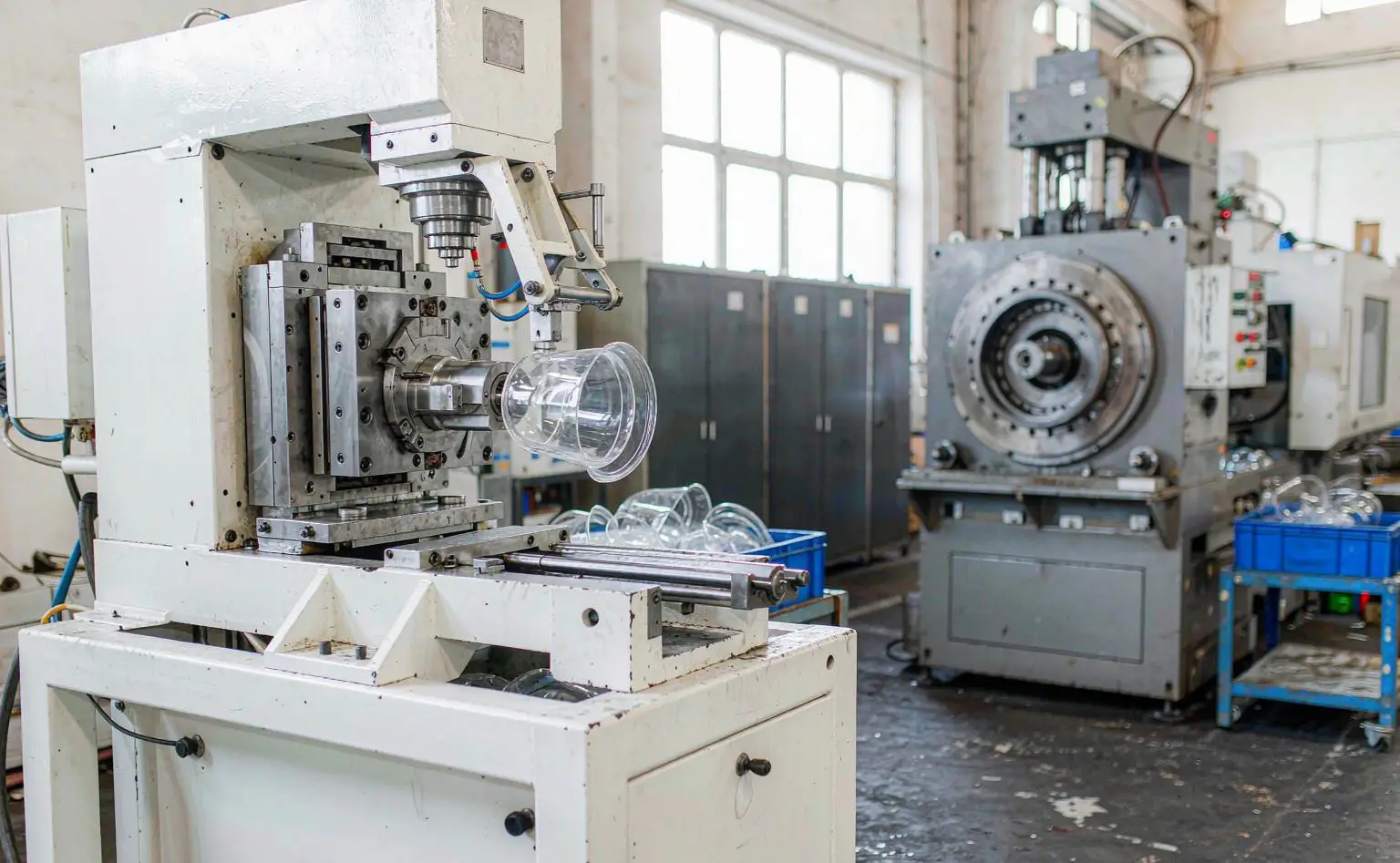
The shade is a moulded part, so protection has to go into the plastic itself; the holder is metal under a film, so protection has to go into the coating. Different carriers mean different points of addition: the first disperses in the moulding machine barrel, the second blends in the paint mixing tank. Masterbatch put into a coating will not mix evenly and will separate on standing; a coating additive dropped into the barrel disperses poorly and shows as colour variation and flow marks off the mould.
The acceptance criteria differ as well. A moulded part is judged on appearance and mechanical performance, and on a clear part colour and light transmission are watched closely: fogging or yellowing is a reject. A coated part is judged on film thickness and adhesion, with the additive distributed evenly inside the film rather than floating on the surface.
2. Shade and holder dosing at a glance
The table lines up the operation, the carrier, the point of addition, the figure or criterion and the points to watch, as a first draft of a dosing instruction.
| Operation | Carrier | Point of addition | Figure or criterion | Points to watch |
|---|---|---|---|---|
| Moulded shade | PC / PMMA / PS resin | Masterbatch dry-blended with resin, fed to the barrel | iHeir-IPL at 0.8%-1% on total plastic weight | Whiteness above 90, 1-2 micron particles, heat resistance 300 degrees; not for use above 300 degrees |
| Moulded shade, dark | PS / ABS and other dark parts | Same moulding line, through the masterbatch | On total plastic weight; dark parts tolerate more in appearance | Compound and store separately from clear parts; never share one batch |
| Coated holder | Water-borne or solvent-borne coating | Stirred into the paint mixing tank with the coating | iHeir-TQ at 2%-3% on total system weight | pH 6 to 7, miscible with water in any ratio; do not store in unlined metal containers |
| Curing | Coated holders | Curing tunnel or oven | Temperature and time window from the coating supplier | Boxing before the film is dry locks moisture against the part; check corners and cavities separately |
Four rows make one thing clear: the first two are grade choices on the same moulding line, the third moves to the coating line, and the fourth is the gate both share. Miss any one and the problem surfaces at assembly.
3. The moulded shade: loading and grade choice for clear parts
The moulding line uses iHeir-IPL inorganic plastic antimicrobial agent, recommended at 0.8%-1%. It is a white powder with whiteness above 90, an average particle size of 1-2 microns and heat resistance of 300 degrees, which lets it run with PC and PMMA grades that need higher processing temperatures, so the barrel does not have to be cooled down for the additive.
Three numbers decide the grade: the particles have to be small and evenly distributed, because coarse particles scatter visibly inside a clear part and pull light transmission down; the whiteness has to be high, since a low-whiteness powder drags a clear part yellow; and the heat resistance has to hold up, because 300 degrees decides whether the grade can enter a PC barrel. Fail any one and the part should move to the dark-coloured grade.
Four habits matter in production: dry-blend masterbatch and resin before feeding; purge the machine on colour and material changes, because dark residue from the previous batch shows most in a clear part; check the first and last part of each run for flow marks and colour variation; and keep a sample per batch. The product ships in 25 kg fibre drums as a non-hazardous material and stores sealed, dry and away from light with a shelf life of 12 months.
4. The coated holder: into the coating, with adhesion and curing first
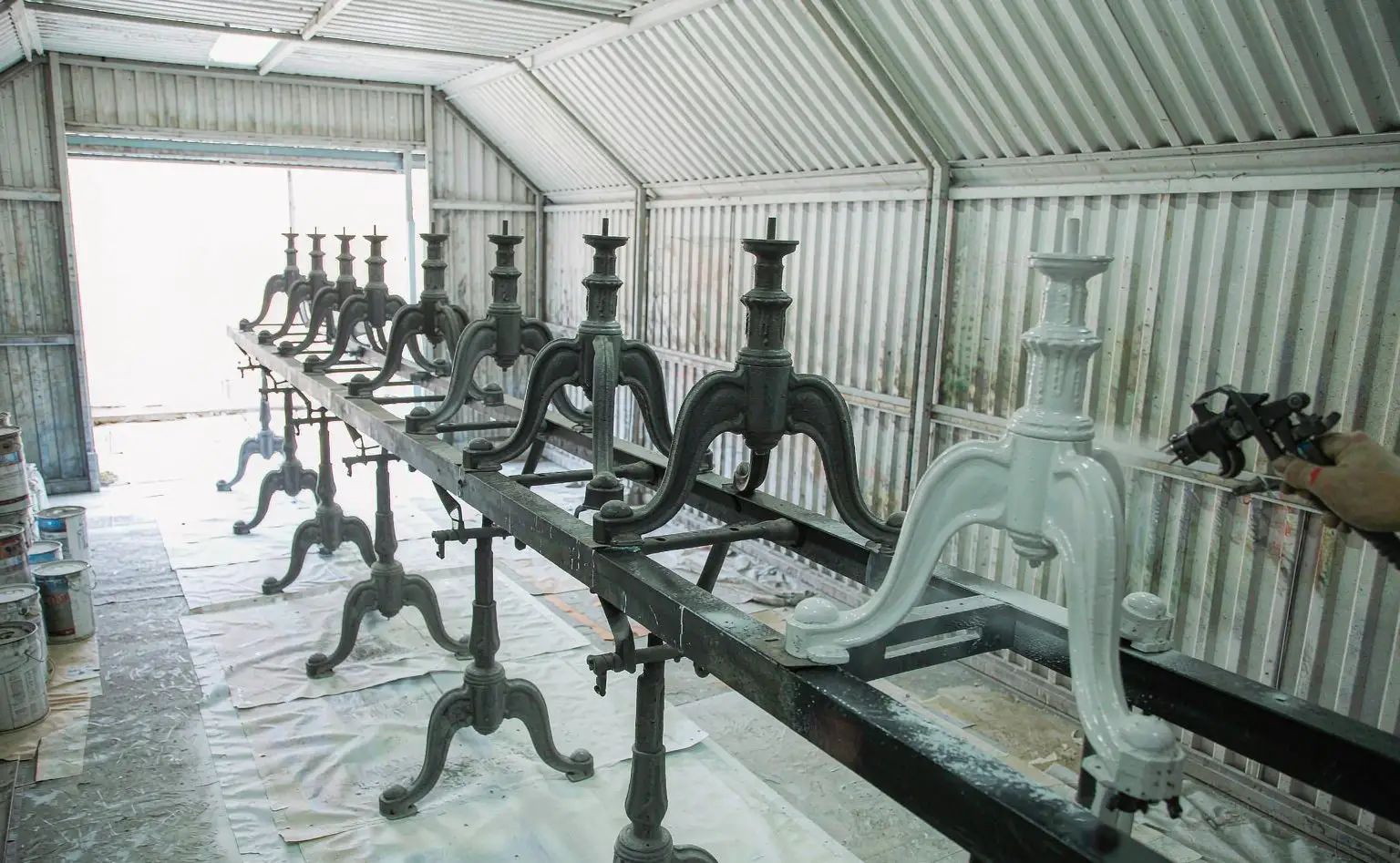
The holder line uses iHeir-TQ coating mould inhibitor, recommended at 2%-3% on total system weight. Its active content is 45%, viscosity is 3 cps, pH is 6 to 7, and it mixes with water in any ratio while also dissolving in most organic solvents, so it suits both water-borne and solvent-borne systems. Add it to the mixing tank under stirring and let it disperse before it reaches the gun.
Three details matter on the shop floor. First, the container: do not store it in unlined metal, and work from the standard 25 litre and 160 litre packs in shift-sized portions. Second, trial first: put a sample and a test panel through the line before committing a whole batch of coating. Third, evenness beats loading: wherever the gun cannot reach at a good angle the film is left short, so check thickness and adhesion on sampled parts and touch up before the tunnel.
5. Curing: temperature, time and shop humidity
Once the additive is in the coating, the drying conditions have to be confirmed again: the addition shifts the solids content and the evaporation rate slightly, so the original drying curve may no longer fit. Keep to the temperature and time window the supplier gives, run a test panel through it, and check the surface is fully dry with no tackiness or lifting.
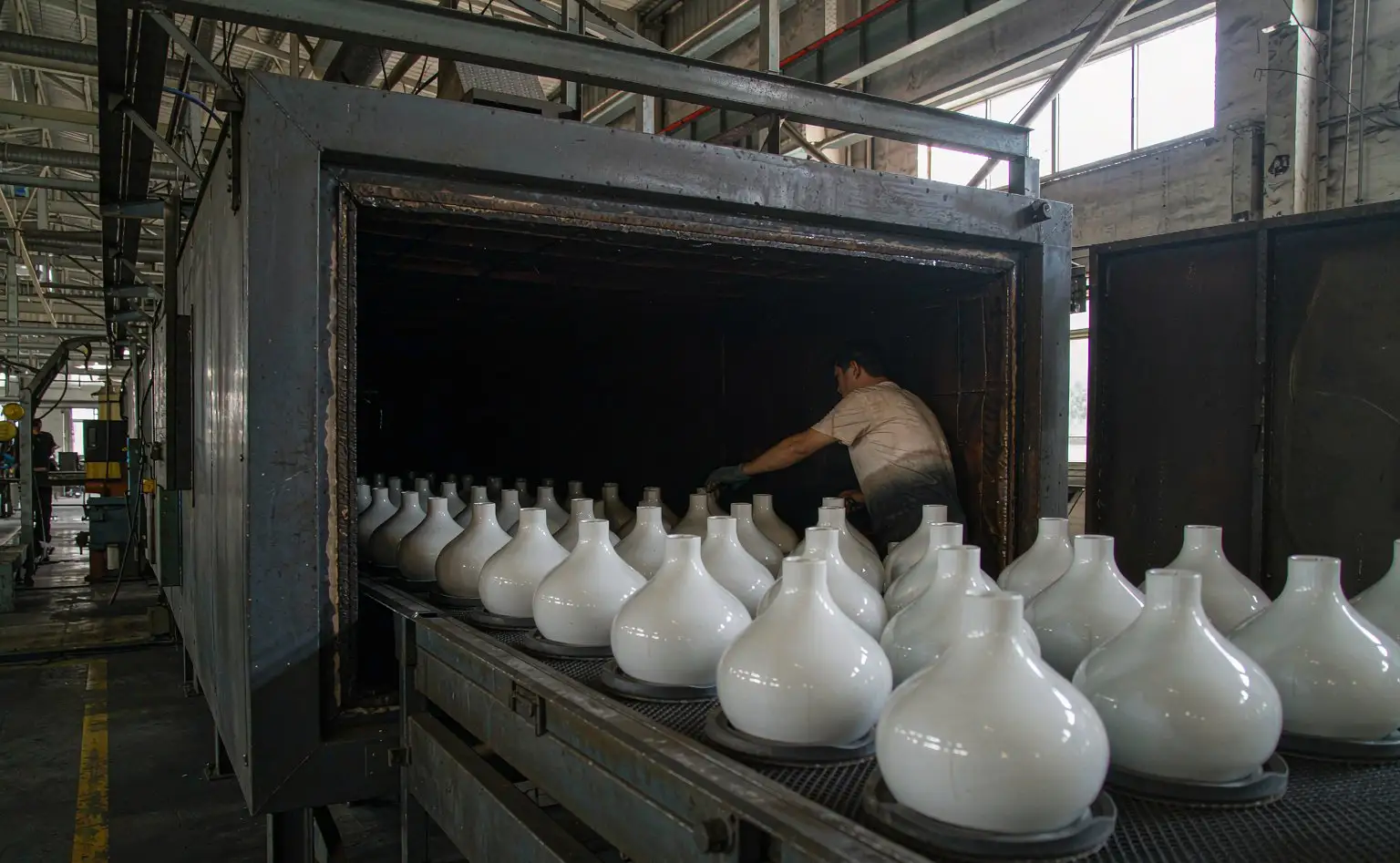
Shop humidity drives yield here as much as the oven does. A film that has not fully cured takes up moisture most readily, so if the end of the line sits beside an open doorway or a wash area, those batches go damp first. Relative humidity in the spray area and at the tunnel exit belongs in the daily log, and a holder is one of the harder parts to rework, since a bad film means stripping and recoating.
Cured parts should cool right through before packing, because a part straight out of the tunnel is dry on the surface but still warm inside, and bagging it there traps residual volatiles against the part. Keep a sample per shift and log the curing parameters per batch.
6. Questions that come up: spraying the finished unit, and yellowing clear shades
Can the assembled fixture simply be sprayed on the outside? Not advisable. A surface coat stays on the outermost layer, and the rubbing and knocking of assembly and transport take it off quickly, so the protection does not last. It is also hard to cover the back of a holder or a cavity on an assembled unit, leaving the hardest positions untreated. Protection belongs at the forming stage: the masterbatch for the shade and the coating for the holder.
A clear shade has yellowed after the additive went in. How do you tell whether it is the additive or the resin? Judge against a control. Run two sets of test pieces from the same resin lot, one with the additive and one without, through the same barrel and mould temperatures, then compare colour and transmission. If both yellow, the cause lies in the resin or the barrel temperature; if only the dosed set yellows, the grade’s whiteness or particle size does not match, and a grade with whiteness above 90 should be trialled instead.
Two points carry the work. The moulded shade takes iHeir-IPL inorganic plastic antimicrobial agent at 0.8%-1% on total plastic weight, dry-blended before feeding with a purge on colour changes and a sample kept per batch. The coated holder takes iHeir-TQ coating mould inhibitor at 2%-3% on total system weight, stirred into the mixing tank in unlined metal-free containers, with the curing conditions rechecked and the corners and cavities touched up. Samples and TDS are available to check the configuration against your shade materials and coating line.


