




 View Count:18
 Date:2026-10-29
How do you dose the antimicrobial into the grip compound of a power tool, and how does anti-mould paper keep the battery bay dry? The housing is glass-filled PA6 and holds moisture without puddling, so the mould grows on the overmoulded grip, the inside of the battery bay seal, and the instruction card and foam in the carton. The grip compound takes iHeir-JS117 at 0.5%-1.0% of compound weight, and each carton takes iHeir-D paper at 0.1-0.2 g of active content per sheet. This article covers both doses, the metal compatibility test and the carton release test.
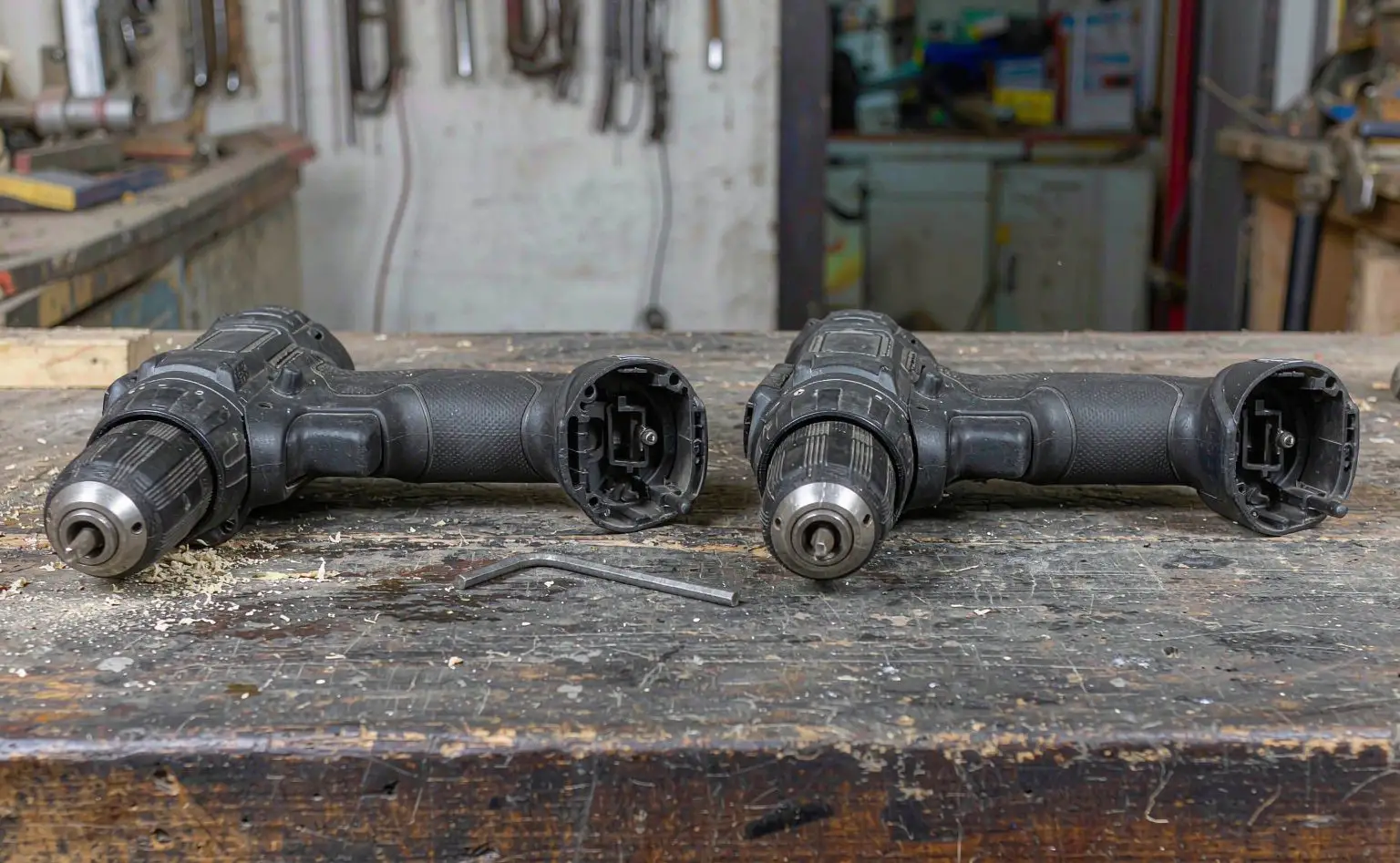
1. Mould starts on the grip and in the battery bay
A power tool is a fixed material set: glass-filled PA6 housing, TPR or TPE overmoulded grip, rubber seal, metal gear train and battery contacts. The housing takes up moisture but its surface is dense and the glass sits inside resin, so mould struggles to establish there. What fails is the grip and the battery bay.
The grip fails on compound and texture: TPR/TPE carries white oil, filler and softener, and the non-slip ribs are where sweat and oil collect. Three to five days in a humid shop and a grey speck appears in the rib. A grip is the first thing a buyer touches, and a speck is a return.
The bay fails on cavity and condensation. It is a half-closed space: the seal keeps outside air out and also keeps the air trapped at assembly in. On a sea leg the day-night swing condenses water on the bay wall and around the contacts, and it sits at the lowest point. There is no carbon source in there, so mould is slow, but the contacts oxidise green and a buyer grades that as a cosmetic defect just the same.
The third location is packing: the colour box, the instruction card and the foam insert are paper and foam, and once damp they are a bed for mould. The carton then sits in a still store, and plastic parts alone will not close this out.
2. Grip compound and battery bay are handled separately
The table lines up the grip, the housing, the bay and the carton. The grip is dosed on compound weight, the paper on sheets and active content, and the two are not convertible.
| Part | Material | Product and level | Stage | Control point |
|---|---|---|---|---|
| Overmoulded grip | TPR/TPE compound | iHeir-JS117 0.5%-1.0% of compound weight | Dry blend or compounding | Even mixing, melt temperature respected |
| Housing | Glass-filled PA6 | No additive, drying and sealing only | Dry the pellets before moulding | Moisture per the process card |
| Battery bay | Bay, seal, contacts | iHeir-D 0.1-0.2 g per sheet | Paper added at packing | Metal compatibility test first |
| Carton and export | Colour box, card, foam | Sheets per carton by piece count | Packing and loading | Box sealed, no carton against the wall |
Two boundaries. First, the housing does not need an antimicrobial: a glass-filled PA6 part fails by moisture distortion and appearance, not by mould, and the money is better spent on the grip and the packing. Second, the paper is not a desiccant: it releases active content into a closed space to suppress organisms, it does not absorb water, and free water in the bay has to be blown out first.
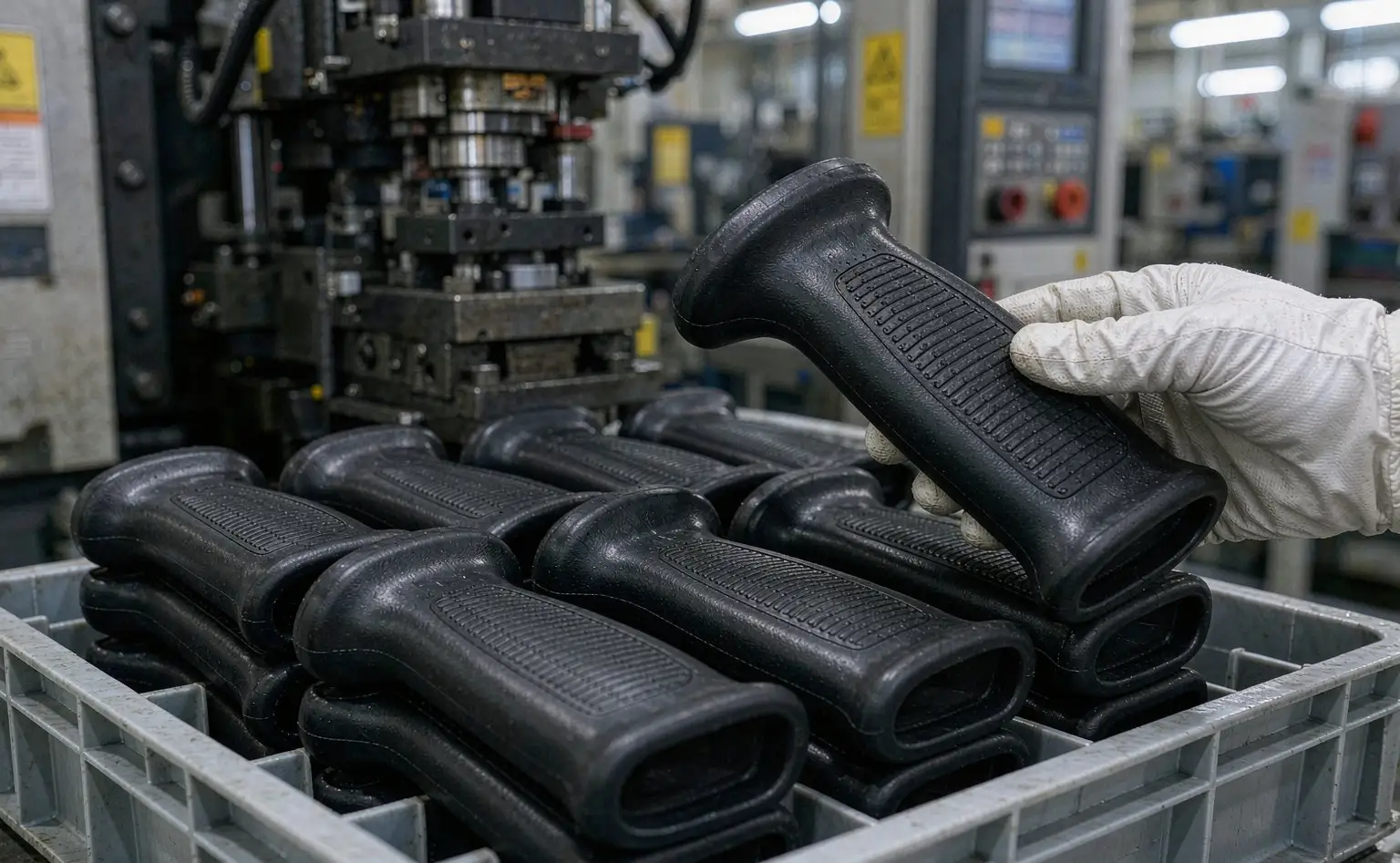
3. Grip compound: the powder goes in at the dry blend or compounding
The grip uses iHeir-JS117 plastic anti-mould powder at 0.5%-1.0% of grip compound weight. Active content is above 97%, bulk density 380 kg/m³, D50 around 110μm. It is insoluble in water, so a grip in a damp environment does not lose the additive to leaching, and repeated wiping does not strip it out.
Two ways in: if you compound in house, it goes into the high-speed mixer with the other powders for 8-10 minutes at the dry-blend stage; if the compound is bought in or you run a colour masterbatch, blend it on a twin-screw at the pelletising stage and mould the grip afterwards. Do not hand-scoop powder into the machine hopper — the concentration drifts. Overmoulding is a second shot onto the hard housing, so run the melt temperature the process already uses.
Three points. Texture: a deep non-slip rib holds water after demoulding, and blowing the part dry does more than adding dose. Regrind: grips often carry regrind, and a high ratio calls for the top of the range at 1.0%, since regrind arrives with its additive already partly spent. Feel: above 1.0% softness shifts slightly, so trial a sample on projects where grip feel is specified.
4. Battery bay and carton: the paper is counted in sheets
The packing stage uses iHeir-D gas-phase anti-mould paper, 0.1-0.2 g of active content per sheet, solids 70%±5, 25kg per drum, one year shelf life. It is a coated paper, so position and closure decide the result: it goes at the bay mouth or against the carton wall with the paper facing the part, and the box is sealed.
Sheet count follows carton volume and piece count: units per carton, the cavity behind each bay, and the air space left over. The usual pattern is one sheet against the carton wall plus a small one at each bay mouth, set by a packing trial — 30 days at 30℃/85% RH, then open and check the ribs, contacts and card edge.
One test you have to run first: metal compatibility. In damp conditions the paper can corrode poor-quality metal parts, and a battery bay is exactly where the spring contacts and terminals sit. Take three times the normal sheet count, seal it in a bag with contacts and springs from the same batch, hold 7 days at 40℃/90% RH, then open and look for discolouration. If it fails, change the packing structure rather than forcing the paper in.
5. Assembly, finished-goods store and export
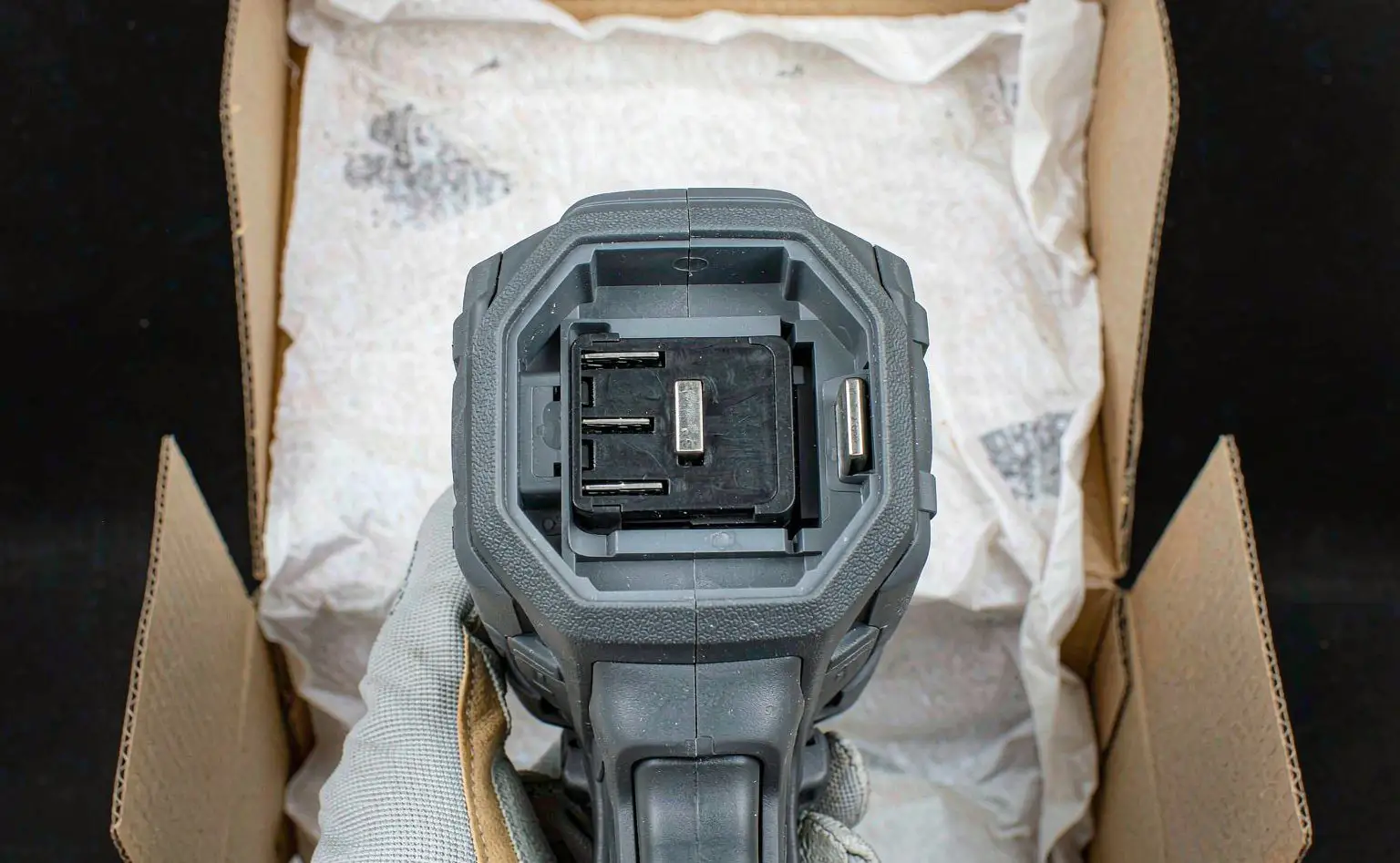
Three things at assembly: blow the bay dry with dry air after assembly; do not grease the seal, because grease holds dust and lets water hang on the ring; and hold shop humidity at 60% RH or below. Then blow the joint between grip and housing once more, since water in that seam is the slowest to leave.
In the store: cartons on pallets, 10cm off the wall, 60% RH or below, first in first out. Six-month stock is where trouble shows, so open two cartons before an export shipment. Leave an air path in the container — the logic is the one in condensation in sea freight containers.
Release at three levels: grip parts on GB/T 1741 or ASTM G21, sampling at the rib; whole units for 30 days at 30℃/85% RH, checking grip, contacts and instruction card; antibacterial rate to ISO 22196 or GB/T 20944.3 where a buyer asks for a report.
6. Questions on tacky grips, green contacts and mouldy lots
Q: Will the powder make the grip tacky or fade it? JS117 is a powder and insoluble, so at a normal dose it does not change the surface. Tackiness usually comes from a high regrind ratio, white oil blooming, or too hot a melt. Run a control: half the batch dosed, half not, moulded together and both into a 70℃ oven.
Q: Are green contacts caused by the paper? Look at condensation first: green contacts usually follow residual water in the bay. The paper’s corrosion risk appears only at an overdose or on poorly plated parts; the three-fold test settles it.
Q: Can a tool that already has mould ship? Surface bloom in the grip ribs can be wiped and the feel and appearance re-checked; where mould has gone into the rib base and a mark stays, the grip part is replaced. Any reworked batch needs the grip dosing and the packing stage again; wipe only, and it returns within two weeks in the bag.
Four points to take away: dose the grip compound with iHeir-JS117 0.5%-1.0% of compound weight at the dry blend or compounding, 8-10 minutes, and go to 1.0% where the regrind ratio is high; leave the glass-filled PA6 housing without an additive and control drying and sealing instead; put iHeir-D paper at 0.1-0.2 g per sheet into the bay and the carton by piece count, after a three-fold metal compatibility test; blow the bay dry, hold the store below 60% RH and release on 30 days at 30℃/85% RH.


