




 View Count:87
 Date:2026-10-09
Is charger mould fixed by treating the shell alone? It is not. A charger is a plastic shell plus a paperboard box, and on a finished unit the mould usually starts on the packing liner and the leaflet. The shell takes iHeir-ECO plastic antimicrobial agent at 0.3%-1.0% on part weight, and the packing liner runs with iHeir-D gas-phase antimicrobial and mould inhibitor at 0.1-0.2 g of active content per sheet. This article covers the two points, the figures and the damp control at packing.
1. Where the mould comes from: the shell and the packing liner
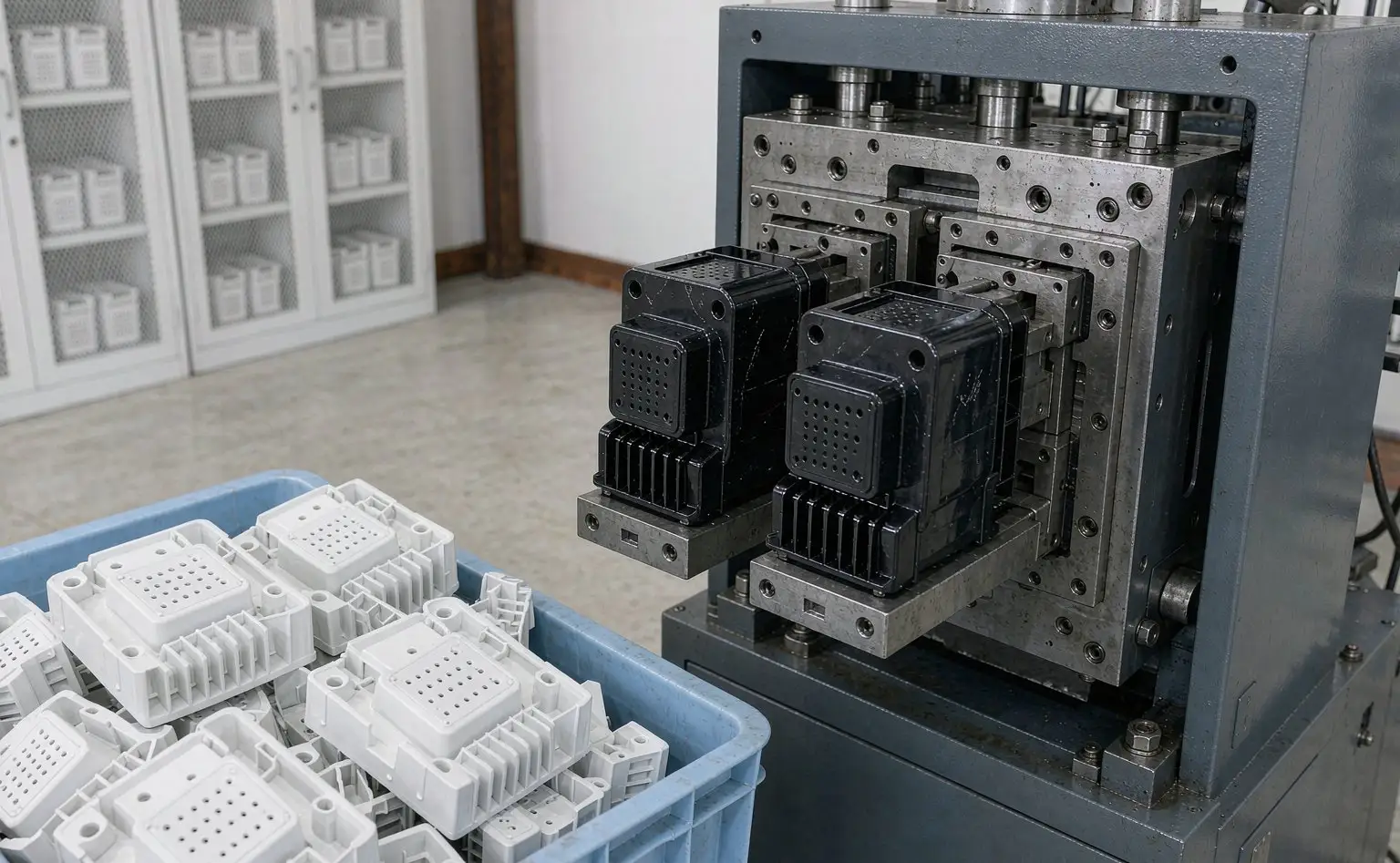
A charger dampens from two places. At the shell: the pellets take up damp and the regrind ratio runs high, the part leaves the tool with release agent and oil on the surface, and it grows grey spots within days in an unventilated bin. At the packing: the papercard liner, the leaflet and the printed box are all paper and take up damp fastest, so once the unit is boxed the damp is locked in, and a condensing container starts on that side.
The two places take their treatment in different ways. The shell can put the protection into the material at the mixing and plasticising stage, in with the masterbatch or a premix; the liner cannot, so it relies on gas-phase protection and damp control, with gas-phase paper placed in the box. Treat the shell alone and the paper side is missed; treat the packing alone and the water inside the shell compound is missed.
Start by locating the mould. Spots on the shell surface and on the parts in the bin point to moulding; spots on the papercard liner, the leaflet and the edge of the box point to packing; mould on the inner layer of a whole box means both need work. Locate it before deciding where to dose, and do not run one figure through both.
2. The two points at a glance
The table lines up the part, the stage, what is treated, the product and the figures, so it can serve as the first draft of a process card.
| Part | Stage | Treated item | Product | Figures |
|---|---|---|---|---|
| Plastic shell | Mixing and plasticising | Part / resin | iHeir-ECO plastic antimicrobial agent | 0.3%-1.0% on part weight (PE/PP 0.3%-0.5%) |
| Papercard liner and box | Packing | Paper | iHeir-D gas-phase antimicrobial and mould inhibitor | 0.1-0.2 g per sheet |
| Leaflet and accessory bag | Packing | Paper / liner | With the liner batch | On the liner figure |
| Store and container loading | Stacking and loading | Air in the carton | Damp control only | Below 60% relative humidity |
Four rows, one conclusion: the shell is figured on part weight and the paper liner by sheet, one on material weight and the other by count, so they do not convert, and the leaflet and the store carry no product of their own.
3. The shell: ECO on part weight
The shell is handled at the mixing and plasticising stage. Add iHeir-ECO plastic antimicrobial agent at 0.3%-1.0% on part weight, with general polyolefins at 0.3%-0.5%, premixed with the resin or made up first as a masterbatch. ECO bonds with the resin and is distributed through the whole shell rather than sitting on the surface, so assembly friction, wiping and any hand-feel pass will not rub it off; thermal stability reaches 240 degrees and the process temperature should stay clear of 320 degrees.
Three details. First, the figure is on total part weight, regrind included, so any change in the ratio means recalculating and high-regrind batches belong at the top of the range. Second, when the shell is printed and laser-marked with a brand and ratings, run a small sample to check shade and adhesion before a full batch. Third, for a pale or clear shell look at whiteness and particle size when choosing the grade, and do not run a dark-shell compound in a pale shell. Verify the effect by ISO 22196 and ASTM G21.

4. The packing liner: one step with iHeir-D gas-phase paper
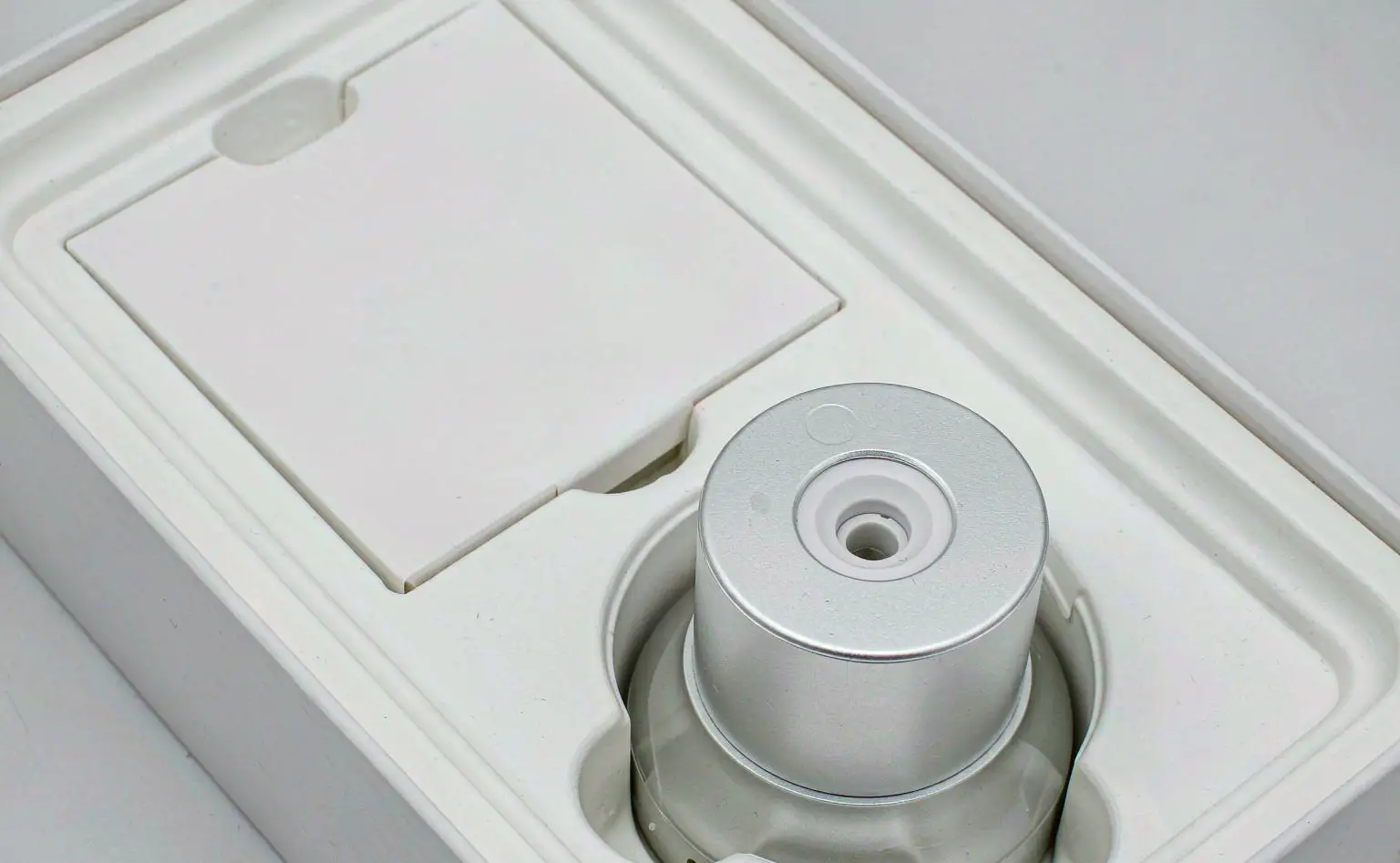
The packing side is handled at the packing stage, with gas-phase paper. Paper or sachets made with iHeir-D gas-phase antimicrobial and mould inhibitor carry 0.1-0.2 g of active content per sheet, placed in the box or the carton with a gap to the liner, so the active content releases slowly into the pack and holds down the humidity and the mould on the paper side. It is a product printed with a special ink and works by gas-phase diffusion, not by spraying the paper surface.
Three details. First, the quantity is by sheet, not by paper weight: a bigger box takes more sheets and a smaller one fewer, and it does not convert into grams per square metre. Second, leave a gap between the gas-phase paper and the paper it protects; pressed flat against the bottom, the gas cannot spread and the sheet is wasted. Third, if the liner and the box are themselves an anti-mould paper the effect stacks, and the two together hold the paper side; see how to choose anti-mould packaging paper.
5. Store and container loading: damp control and desiccants
The store and the container take no agent and rely on damp control. Hold the finished-goods store below 60% relative humidity, place gas-phase sheets by stack and keep them apart from the goods with a liner, leave an air channel between stacks, keep pallets off the floor and follow first in first out so an early batch is not buried at the back for half a year. Drive down the moisture of the whole stack before dispatch.
For export, add desiccants by carton type, since a sea voyage is long and condensation in a container is harder to control than in a warehouse. Dry the packing liner before the goods are boxed, because condensation after sealing is the ignition point for mould; load the base first, then the cartons, and hang the desiccants last, never burying the sheets at the bottom.
6. Questions that come up: shell alone, and how many sheets
Is the shell treatment enough on its own? No. The shell covers the plastic part, but the liner and the leaflet are paper and take up damp faster, so they fail first on the voyage; the two together are what protects a finished unit.
How many gas-phase sheets, and where? Count by sheet, each carrying 0.1-0.2 g of active content, placed inside the box with a gap to the liner and never pressed flat against the bottom, with more for a bigger box and fewer for a smaller one.
Is 60% relative humidity in the store enough? That is the floor, not the whole answer. Add gas-phase sheets by stack, leave an air channel between stacks, keep pallets off the floor and follow first in first out; dehumidifying alone without racking management still lets the core of a stack dampen.
Two points carry the work: the plastic shell goes in at the mixing and plasticising stage (iHeir-ECO at 0.3%-1.0% on part weight, with a non-yellowing grade for pale parts), and the packing liner and box take gas-phase paper at the packing stage (iHeir-D at 0.1-0.2 g of active content per sheet, with a gap to spread), while the store and container loading hold both results with damp control, racking management and desiccants. Samples and TDS sheets are available for a trial on your line.


