




 View Count:19
 Date:2026-11-20
How do you prevent e-scooter mould? The growth collects in three places: the deck grip pad, the battery bay and the shipping bag. Bath the pad fabric at 2%-3% o.w.f. in iHeir-BJ at 21-50℃ and pH 4.5-8.5, then put iHeir-D sheets at 0.1-0.2 g into the bay and the bag. A scooter ships bagged, and spots inside the bag mean the unit comes back whole, with rework for unbaging, pad replacement and repacking. This article covers the fabric finish, the water under the deck and the bag.
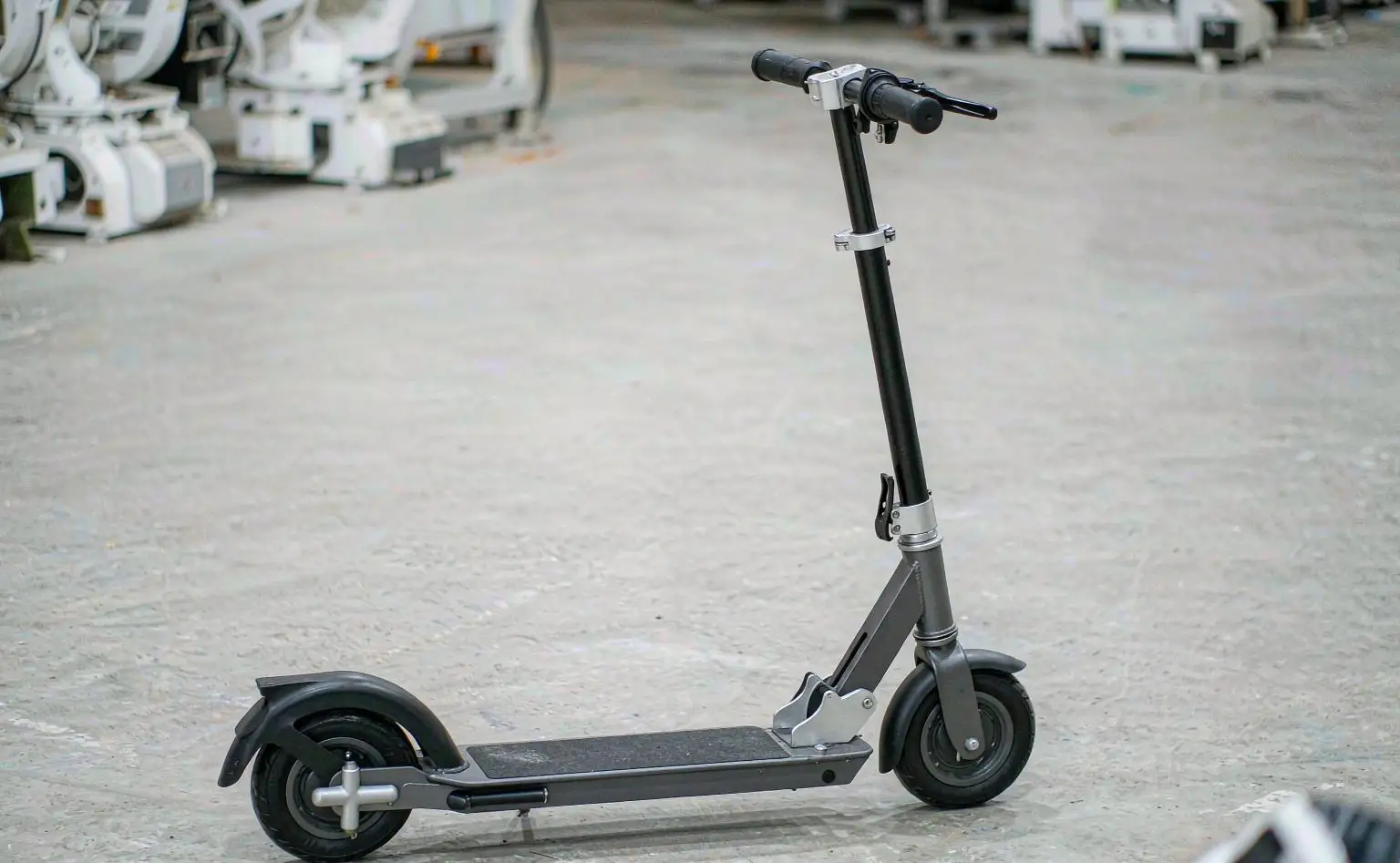
1. Where it grows: pad, battery bay, bag
The pad is open-cell foam. Deck pads are mostly EVA or rubber foam with a fabric or grit skin. Riding through water or parking in rain puts water into the foam cells, and an open-cell structure takes water in far more easily than it lets it out. Spots appear on the pad within a day or two.
The bay sits under the deck. Water travels down through the deck seams and reaches the bottom of the bay first. The bay is closed and warms up in use, so the vapour circulates inside and keeps the interior humid for a long time.
The bag is the last layer. Scooters ship in dust bags or PE bags, and once the bag is closed the vapour has nowhere to go. With no sheet inside, the bag is a sealed damp chamber.
Telling them apart. Pad spots are grey-green or black, in patches, with a musty smell and a pale stain after wiping. White spots on aluminium are oxidation. Where both appear, treat the growth first.
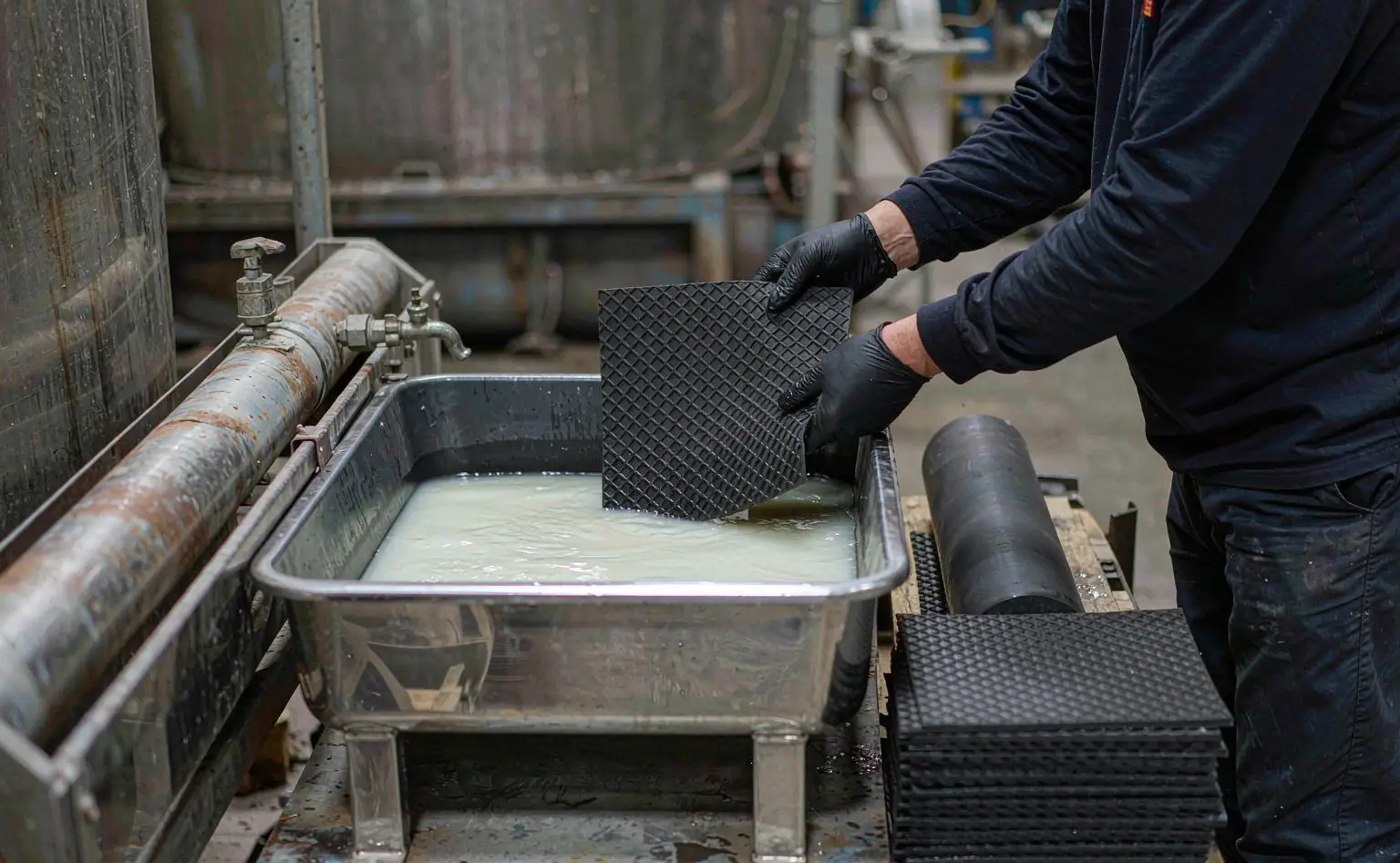
2. Pad fabric: one pass at 2%-3% o.w.f.
Dose on fabric dry weight. iHeir-BJ at 2%-3% o.w.f. on the dry weight of the fabric. Three kilograms treats 100 kg, and at 70% pick-up the agent is pre-mixed into 9-13 kg of water before going into the tank.
Bath conditions. Hold 21-50℃ and pH 4.5-8.5 in soft water. Hard water throws the agent out and leaves white residue on the pad face.
No anionic auxiliaries in the bath. BJ is cationic. Pads that have been through an anionic softener or water repellent need rinsing first, or the bath curdles and nothing fixes.
Pad out, then dry. Hold pick-up at 70%, dry to the process route and do not air dry. Check moisture after drying and re-dry anything over spec. The finished face feels slightly firmer, and working the pad by hand before assembly restores it.
| Part | Material | Product and level | Stage | Control point |
|---|---|---|---|---|
| Deck grip pad | EVA or rubber foam with fabric skin | iHeir-BJ 2%-3% o.w.f. | Bath after cutting | 21-50℃, pH 4.5-8.5, soft water |
| Battery bay | Plastic cavity and cells | iHeir-D 0.1-0.2 g per sheet | Onto the wall after assembly | Clear of contacts and vents |
| Cavity under the deck | Plastic parts | No additive | Blown dry before assembly | No standing water or condensation |
| Shipping bag | Dust bag or PE bag | iHeir-D 1-2 sheets per unit | Before bagging | Bag left venting, not sealed |
| Export carton | Carton | Sheets by unit count, rods in the container | Packing and loading | Frame off the carton wall |
One boundary. BJ handles the organisms in the pad fabric, the process handles water under the deck, gas-phase sheets handle the air in the bay and the bag. Bagging a wet scooter defeats all three.
3. Under the deck and the battery bay: move the water first
Pull the pad after water contact. Where the pad is removable, take it off after a wet ride, dry it and refit. Where it is bonded, blow air into the edge seams to push water out of the cells, then leave the unit to ventilate.
Blow the bay before fitting the pack. Compressed air through the bay, especially the bottom and around the connectors, then wipe with white paper; no damp mark means it is ready.
Sheet clear of the contacts. One iHeir-D sheet at 0.1-0.2 g taped to the bay wall or the inside of the cover. The product page warns of corrosion on poor-quality metal parts in damp conditions, so keep it off the connectors and cell tabs.
Run a compatibility test. Three times the normal rate, paper in between, closed for a few days, then check the pack casing for tackiness and the connectors for dulling.
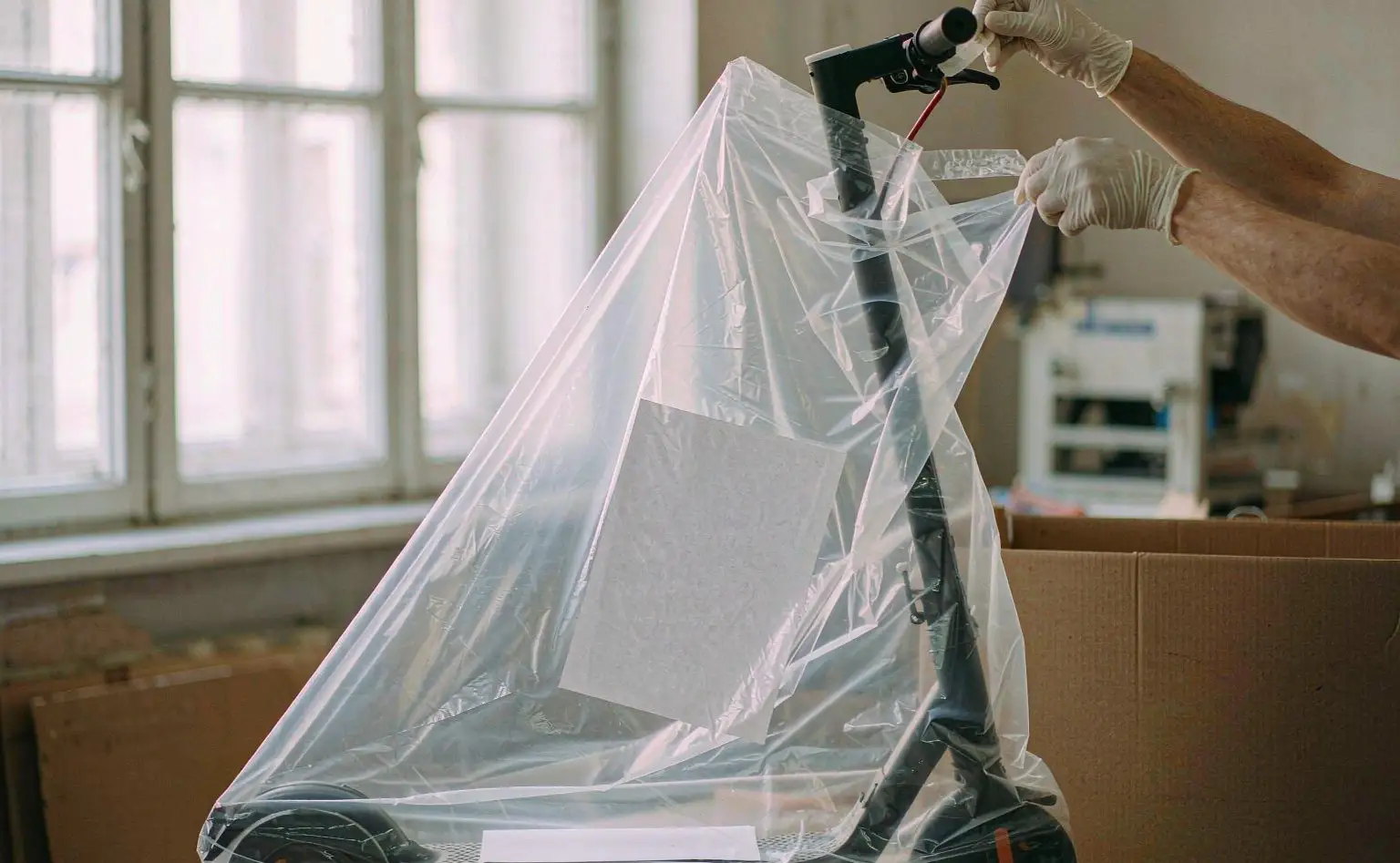
4. Bagging: how many sheets per unit
One to two per unit. Each iHeir-D sheet carries 0.1-0.2 g of active. A whole-bike bag takes 1-2 sheets, one at the deck and one at the bars or the front; a long bag does better with one at each end than two in the middle.
Do not seal the bag. Leave a short vent before closing, and close it fully at cartoning. Sealing a scooter that is still damp is the most common mistake in this line.
Wipe the unit first. Dry the frame, deck and tyres before bagging, and blow the gap between tyre and mudguard, which is the hardest place to dry.
Carton and container. Liner film inside the carton with pin holes, frame 2 cm off the wall, and desiccant rods by container size for export. Comparable foam-and-plastic assemblies are in motor end caps and foam inserts.
5. Storage and inspection
Hold the store dry. Below 60% RH, units 10 cm off the floor and 20 cm off the wall, with a dehumidifier in the wet season rather than open windows.
Stand them up. Store scooters upright rather than stacked. Stacked with the deck down, the pad is compressed and cannot breathe, which makes spotting more likely.
Check the container. Reject boxes with damp floors or walls, wipe up standing water and ventilate for half an hour before loading.
Incoming check. Ask the customer to look at the pad face and the bay first; spots there mean the pad finish was short or the bag sheets were missing.
6. Questions from buyers
Q: Can we skip the pad finish and just sheet the bag?
A: No. The sheet works on the air in the bag, not on water already inside the foam cells or the food in the fibres. The pad has to be finished.
Q: Does the finish make the pad slippery?
A: No. The agent sits on the fibres and does not change the grit or weave structure. Overdosing stiffens the surface, so hold 2%-3%.
Q: Is a sheet in the battery bay safe?
A: On the wall, clear of the contacts and vents, after a compatibility test. Do not press it onto the cells or block the cooling path.
Q: How many sheets does a whole-bike bag need?
A: One to two, split between the two ends of a long bag. A larger bag takes one more, not a multiple of the unit weight.
Bath the deck pad fabric at 2%-3% o.w.f. in iHeir-BJ at 21-50℃ and pH 4.5-8.5 in soft water with no anionic auxiliaries, at 70% pick-up and dried to spec; pull or blow the pad dry after water contact, blow the bay dry before fitting the pack, and tape one 0.1-0.2 g sheet to the wall clear of the contacts after a three-times test; put 1-2 sheets in each bag and leave it venting; hold the store below 60% RH and hang container rods by container size. Mould performance can be verified to GB/T 24346 and AATCC 30, and samples and minimum order are on the iHeir-BJ product page.


