




 View Count:27
 Date:2026-11-05
How does electric motor mould get a hold, and why does wiping the end cap not solve it? Spots sit in the cap cavity and behind the terminal-box cover, and in foam inserts that have taken water, so the batch goes back through inspection. Add iHeir-JS117 plastic anti-mould powder to the plastic caps and covers at 0.5%-1.0% of part weight, and place iHeir-D vapour-phase sheets beside the foam at 0.1-0.2g of active matter each. This article covers the mixing stage, the retests and the carton.
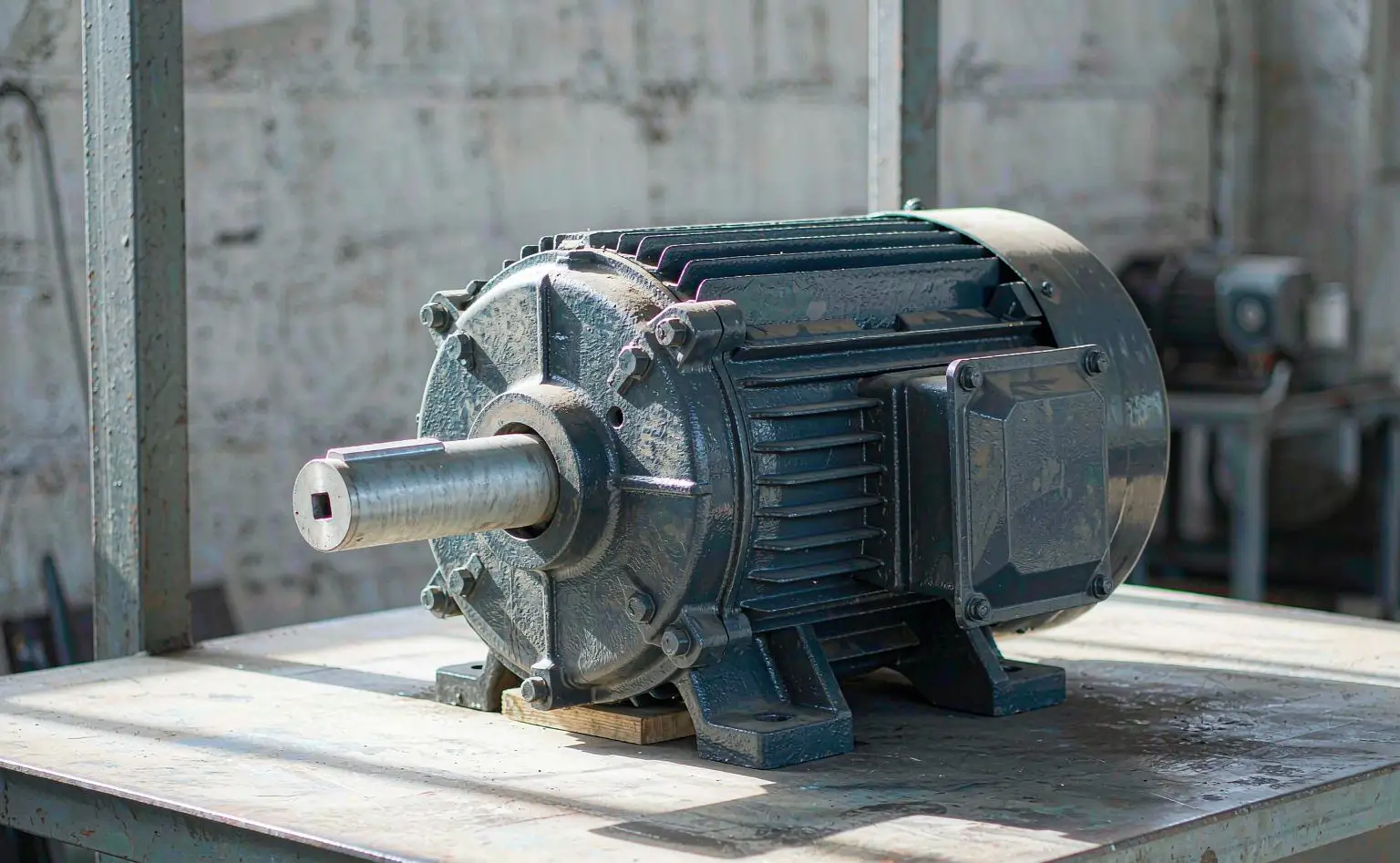
1. Mould in the end-cap cavity, and in the foam
Take a small three-phase motor apart: cast iron or aluminium frame, end caps, terminal box and cover, stator and enamelled wire, rotor and laminations, rating plate, foam inserts, carton. Laminations, wire and machined faces do not mould; the exposure is in the plastic caps and covers and in damp foam.
Establish what the cap is made of. A die-cast aluminium cap does not mould, and spots on it sit in dust along a painted face or a bolt hole. PA, PP or pressed BMC caps and ABS covers are the parts that take powder. A moulded part leaves the tool with release agent in the cavity, and the bearing seat, ribs and bolt bosses collect dust, so the first spots appear there.
A spot is expensive. An end cap is a datum part: wipe the cavity and a haze stays, and a reworked bearing seat or spigot goes back through dimensional inspection. A cover is a visible part, and a spot that will not wash out means the cover is replaced.
The packing risk is the foam. EPS and EPE inserts mix closed and open cells, the open cells take water, and packing the same day in a wet season traps that water in the carton. Spots then show where board and insert touch the painted frame, so at opening it looks as though the motor moulded itself.
2. Powder in the plastic, sheets in the pack
The table lines up the cap, the cover, the frame, the foam and the carton. Plastic is dosed on part weight, paper on active matter per sheet, and the two are not convertible.
| Part | Material | Product and level | Stage | Control point |
|---|---|---|---|---|
| Plastic end caps | PA, PP, pressed BMC | iHeir-JS117 0.5%-1.0% of compound | Premix before moulding | Retest insulation and spigot size |
| Terminal-box cover | ABS, flame-retardant ABS | iHeir-JS117 0.5%-1.0% of compound | Premix before moulding | Check shade and flame rating |
| Die-cast end caps | Cast aluminium, painted | No powder, packing stage only | Painting, assembly | Clean dust from bolt holes |
| Foam inserts, carton | EPS, EPE, corrugated | iHeir-D 0.1-0.2g per sheet | Before the carton is sealed | On the wall, never on the frame |
One boundary. Powder in a cap does not migrate into the carton, and a sheet in the carton never reaches the compound. The insert itself takes water, so a sheet only holds back mould in the air around it; insert moisture is a drying job.
3. Caps and covers: how the powder goes in, and when to retest
Plastic caps and covers take iHeir-JS117 plastic anti-mould powder at 0.5%-1.0% of finished part weight. It is a nitrogen heterocycle phenol-alcohol compound with more than 97% active matter, 380 kg/m³ bulk density, 110μm mean particle size, insoluble in water, leaching-resistant and stable to 280℃.
Where. Blend it with the compound and mould as usual: in house in a high-speed mixer with pellets and pigment, or at the pelletising stage by the compounder. Do not scoop powder into the hopper, because at 110μm the barrel shear is too brief and the cavity shows a hazy flow mark.
Measure the cap. Bearing seat bore, spigot face runout and bolt boss height locate the assembly, so run one set at 0.5% and one at 1.0%, let them sit 24 hours, then measure again.
The cover is visible. Flame-retardant ABS with an additive is checked for shade and flame rating first: vertical burning to UL 94, with light and dark parts moulded as separate batches. On the assembled motor, insulation resistance and dielectric strength follow the factory test, one set before and one after the change; a lost rating means the batch does not ship.
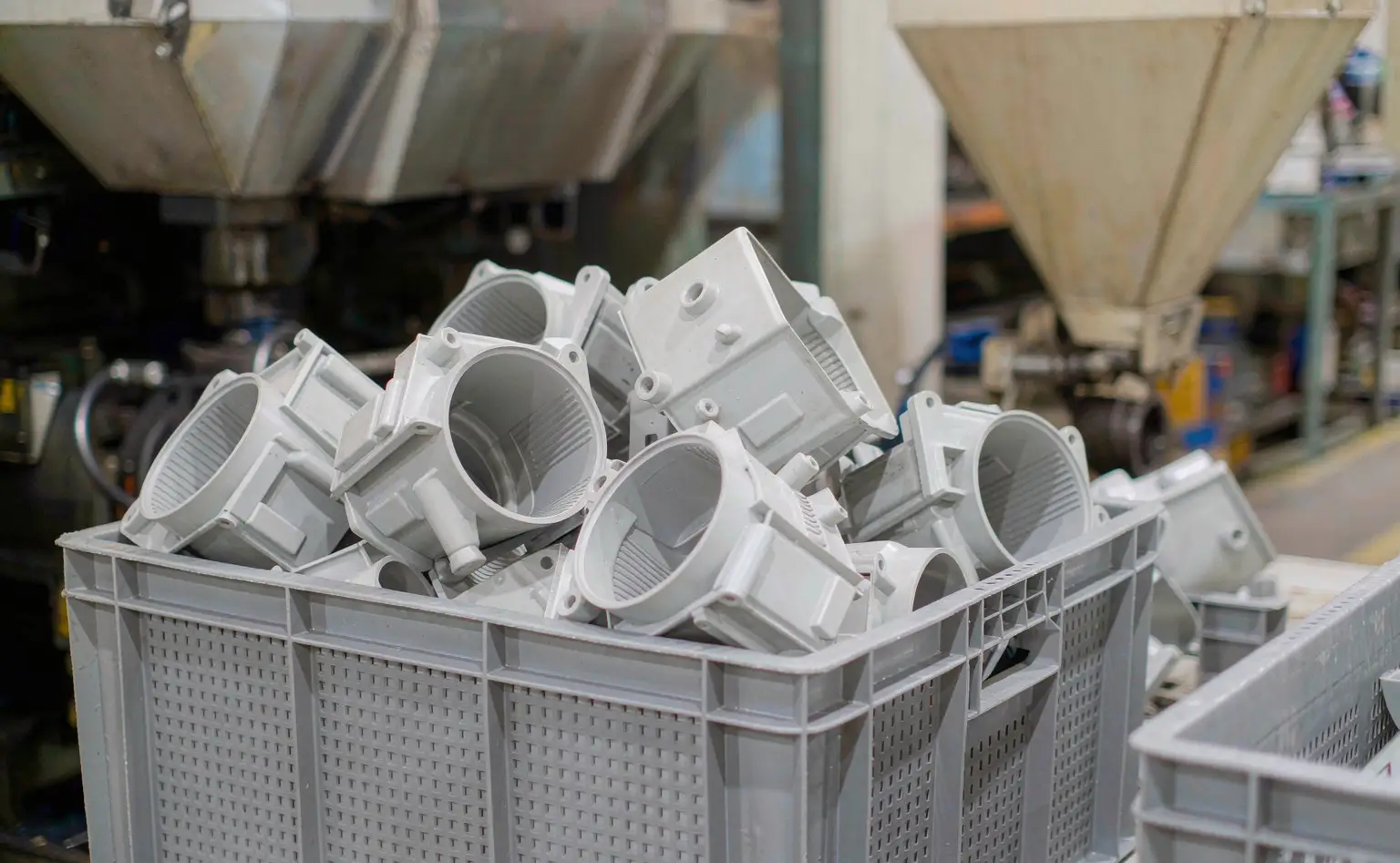
4. Packing: the foam and where the sheet goes
Packing uses iHeir-D vapour-phase anti-mould paper at 0.1-0.2g of active matter per sheet. It works by releasing into a closed volume, so it goes against the carton wall or outside the insert, never pressed on a painted frame and never between insert and frame, where condensation forms first.
Dry the foam first. Inserts come off the tool wet; dry them at 50-60℃ for two to four hours, cool, then pack. Without an oven, store them overnight and keep the moulding area away from packing.
How many sheets. One in a single-unit box; for a multi-unit carton, one against the wall plus one between layers, taking the upper figure for large cartons or long storage. Keep a divider between sheet and frame.
Trial compatibility first. Seal three times the normal dose with a complete motor, mist a little water, and inspect after a few days for a hazy finish, a faded rating plate or a dulled shaft end. iHeir-D carries 70%±5 solids and can corrode poor-quality metal when damp, so plated parts get the trial first.
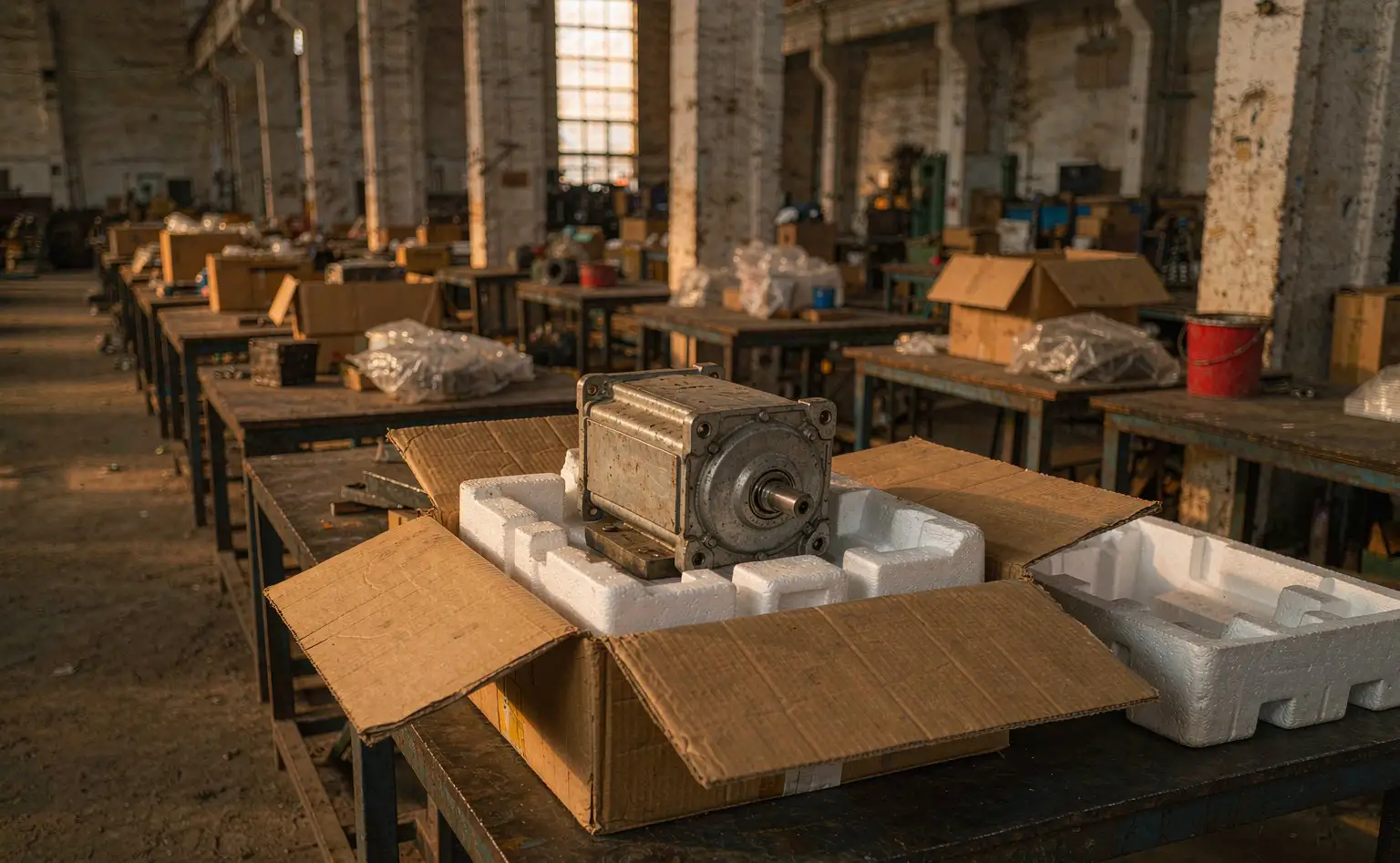
5. Storage, export and release
Assembly and storage. Move caps within the shift, lid the totes, hold the shop below 60% RH, and bag motors only when they are cool, since a warm unit traps its own moisture. Pallets 10cm off floor and wall, store below 60% RH, dehumidifiers through the wet season, stacks clear of the ceiling.
Export. Container condensation at sea is harsher than any warehouse: keep cartons off the container wall, and avoid wrapping whole pallets in film during a wet season. Rework of plastic parts after storage is covered in masterbatch or powder, and dosage on electrical housings in antimicrobial cable housing.
Release at three levels. Caps and covers to ASTM G21 or ISO 846, sampling a cavity and a spigot; foam and cartons to GB/T 24346-2009; complete motors for 30 days at 30℃/85% RH, opening to check the cavity, the terminal box and the plate. Insulation and dielectric strength follow the factory test, and flame-retardant parts go back through UL 94, both sets on file.
6. Questions on aluminium caps, fits and foam
Q: Does a die-cast aluminium cap need the powder too?
No, aluminium does not feed mould. It needs clean bolt holes, a dry painted face and a sheet in the carton.
Q: Will the powder disturb the assembly fit?
At 0.5%-1.0%, measure bearing seat bore, spigot runout and boss height, then measure again 24 hours after moulding. If shrinkage moves, adjust the process rather than opening up the tool.
Q: Should the enamelled wire and laminations be treated?
No. Those are the insulation and the magnetic circuit, and water-borne liquid there is an insulation risk. Motor mould work stays on the plastic parts and the pack.
Q: Can the foam insert simply be sprayed?
Not advisable. The insert is open-cell and takes water, so a spray that never dries carries moisture into the carton. Drying the insert and sheeting the carton is the stable route.
Four points to take away: add iHeir-JS117 to plastic caps and covers at 0.5%-1.0% of weight after trial parts at both levels, then retest flame to UL 94 and insulation to the factory test; dry moulded inserts at 50-60℃ for two to four hours and cool before packing; place iHeir-D sheets at 0.1-0.2g each against the carton wall after a trial at three times the dose; hold shop and store below 60% RH and bag motors only when cool. A 1kg powder sample and a pack of sheets go out for a trial, with MOQ and lead time on the iHeir-JS117 product page.


