




 View Count:37
 Date:2026-09-03
In the second half of 2024, over 30 plastic toy factories in the Yangtze River Delta ran into the same problem: building blocks, HIPS toy cars and ABS figurines shipped to Europe and North America were rejected by customers citing “mold.” Inspection found white-green mold on outer cartons and gray fuzzy colonies on transparent toy surfaces — even though these toys had been UV-disinfected. The issue lies in the raw material + storage + packaging chain, not disinfection alone.
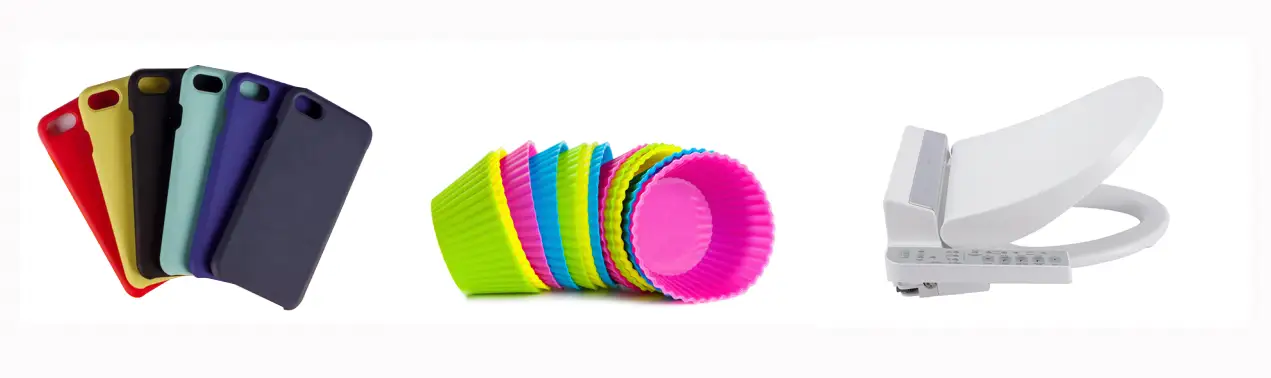
1 Three Root Causes of Toy Mold
Toy mold looks like “finished product molding” but actually every link from raw material, masterbatch, injection molding to packaging/shipping/retail shelf can hide risks:
- Plastic raw material carries microbes: HIPS, ABS, PP pellets themselves don’t host mold, but plasticizers (DOP/DBP/DINP), antioxidants, flame retardants, antistatic agents, pigment dispersants are “delicious snacks” for fungi. Aspergillus niger can directly use DOP as carbon source, growing mold on plastic surface in 5-7 days at 28°C/RH 80%.
- Masterbatch and recycled material: Factories using recycled resin face the biggest challenge. Recycled material has 10-100× higher microbial load than virgin. Without masterbatch-stage antimicrobial, finished product mold probability is 5× higher.
- Plush toy fiber + filling cotton + outer packaging: Plush toy mold is even more hidden. PP cotton filling, polyester plush surface, ABS eyes/nose attachments — every material can carry spores. 30-40 day sea transit with temperature/humidity cycling causes “internal mold” (inside-out growth); outer surface looks fine but interior has bloomed.
Consequences of skipping toy antimicrobial: EU EN71-9, US CPSIA and Japan Food Sanitation Law all set strict limits on toy organic migration. Moldy toys fail total microbial count, TOC, heavy metal migration — light cases mean delisting and recall, severe cases mean brand bankruptcy. 5-10 out of every 100 containers exported by a toy factory molding is normal.
2 Complete Anti-Mold Antimicrobial Solution for Toys
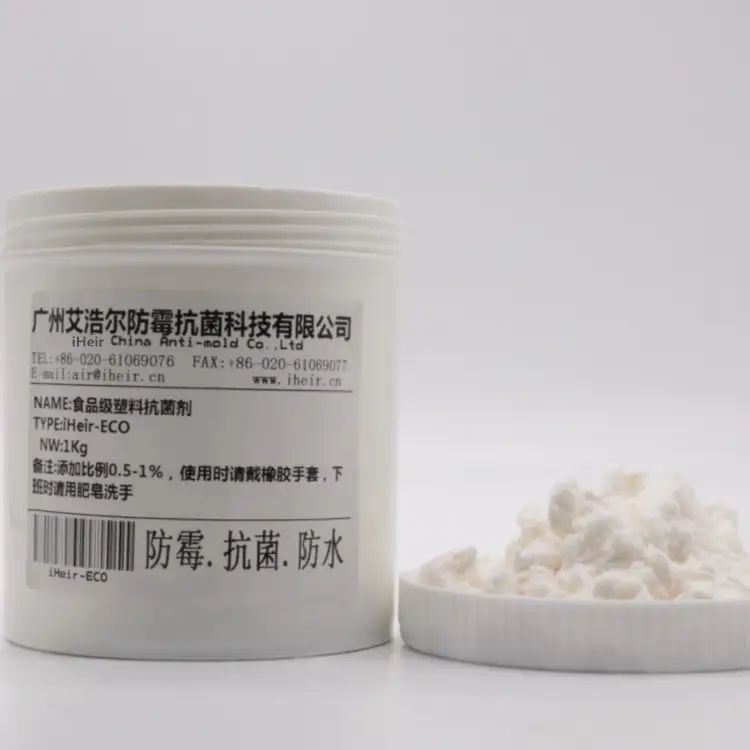
Different toy materials correspond to different antimicrobial solutions. Here’s a table from factory practice:
| Toy Type | Main Material | Recommended Solution | Dosing |
|---|---|---|---|
| Plastic building blocks / cars | ABS / HIPS / PP | iHeir-ECO food-grade antimicrobial masterbatch | 0.8%-1.2% |
| Plush toys / dolls | Polyester + PP cotton | iHeir-333 textile antimicrobial padding | 1.5%-2% |
| Baby toys / teething | Food-grade silicone / TPU | iHeir-PSE organic biguanide antimicrobial | 0.5%-0.8% |
| Wooden puzzles / blocks | Birch / beech | iHeir-JP bamboo-wood anti-mildew soaking | 2%-3% |
| Export carton packaging | Corrugated / white card | Power Pak gas-phase anti-mold tablets | 1-2 tablets/box |
2.1 Plastic Toys: Source Control via iHeir-ECO Food-Grade Antimicrobial Masterbatch
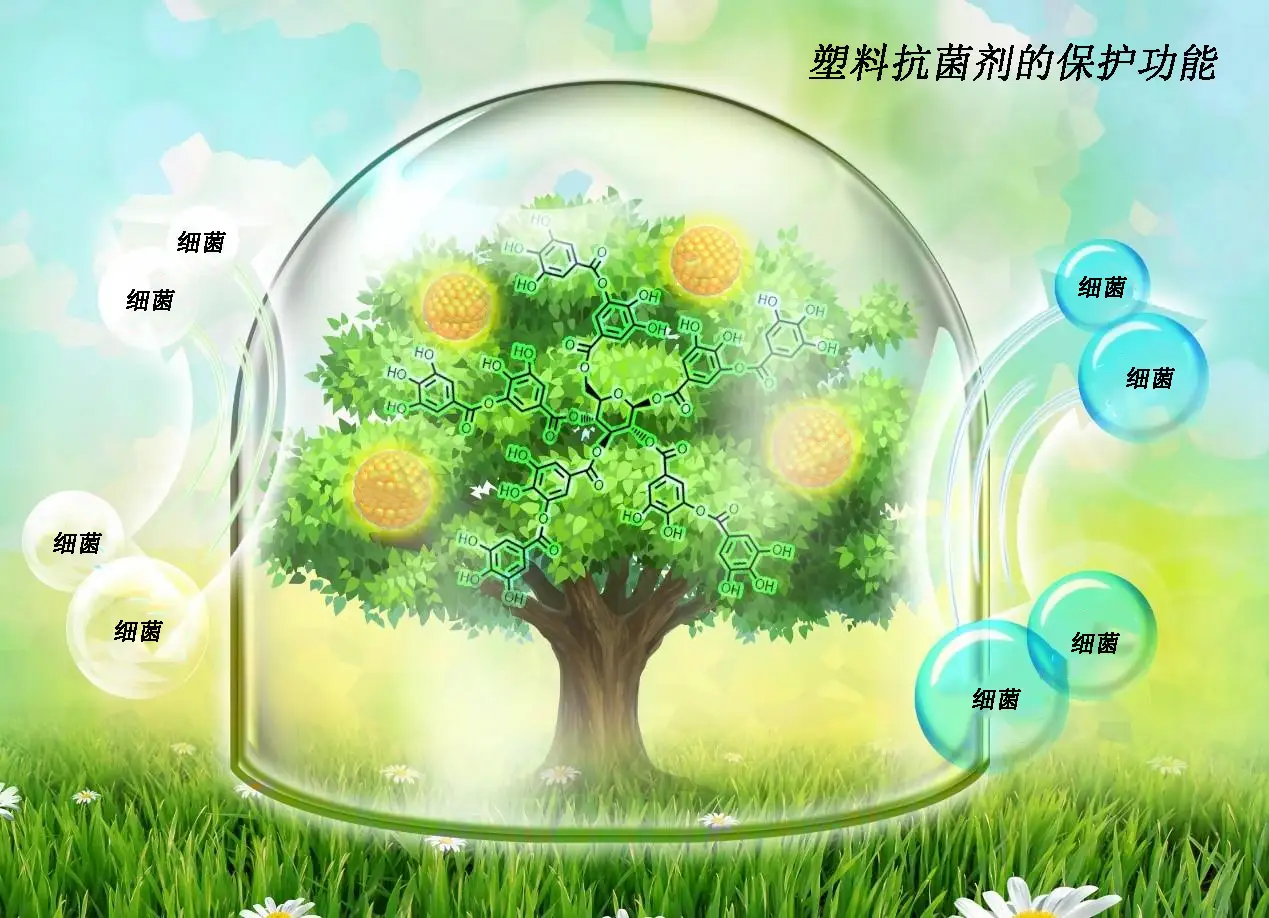
iHeir-ECO is a silver-ion + zinc-ion composite inorganic antimicrobial, certified by SGS FDA 21 CFR, EU 10/2011 food contact, REACH-registered in EU, suitable for baby toys. Process: ① pre-mix antimicrobial with plastic pellets at 0.8%-1.2%; ② stir uniformly before injection; ③ antimicrobial distributes evenly in plastic matrix after molding. Effective 3-5 years; >99% kill rate against E. coli, S. aureus, C. albicans.
Why not just surface-spray the finished product?: Surface spray washes off with child saliva/sweat/toy friction, losing effectiveness in 30-90 days; masterbatch embedding puts the antimicrobial “inside the plastic” with slow release, 3-5 year effectiveness, and higher safety — the standard for high-end European/American toy brands.
2.2 Baby Toys: iHeir-PSE Organic Biguanide Antimicrobial
Baby toys (teethers, chew toys, walkers) have the highest safety requirements — no phenols, no heavy metals, no migration risk. iHeir-PSE organic biguanide antimicrobial passes US FDA 21 CFR, EU 10/2011 food contact certification, acute oral LD50 >5000 mg/kg practically non-toxic. Dosing 0.5%-0.8%, suitable for food-grade silicone, TPU, PP injection masterbatch. >99.5% kill rate against common baby pathogens, no skin irritation.
2.3 Plush Toys: iHeir-333 Textile Antimicrobial
Plush toy plush surface and PP cotton filling both need antimicrobial treatment. iHeir-333 textile antimicrobial is used in padding finishing: 1.5%-2% antimicrobial added during dyeing/finishing stage, dried and set so antimicrobial binds to fiber. Withstands 50+ washes while keeping >90% kill rate. Also delivers anti-mite effect (>85% dust mite repellency), important for allergy-prone children.
2.4 Packaging: Power Pak Gas-Phase Anti-Mold Tablets
Even with toy-body antimicrobial, outer carton can still mold during sea transit (corrugated cardboard is starch-rich). Power Pak anti-mold tablets: 1-2 per carton, gas-phase slow-release antimicrobial diffuses through entire box, covering toy surface and corners. Each tablet effective 9-12 months, covers 30-40 day sea transit + overseas warehouse + shelf full chain.
3 Export Compliance: EN71-9, CPSIA, REACH
The biggest hidden cost in toy export is compliance test failure. Key safety standards for EU/US toy exports:
- EU EN71-9: Limits on toy organic migration — flame retardants, plasticizers, monomer migration, extractables from toys contacting liquids all have specific values (e.g. DEHP, DBP, BBP plasticizer migration limit 0.001 mg/L). iHeir-ECO, PSE, 333 contain none of these restricted substances.
- US CPSIA: Consumer Product Safety Improvement Act — strict limits on lead and phthalates. Antimicrobial lead content <90 ppm, phthalates <0.1%.
- REACH: EU chemicals registration — SVHC content in antimicrobial <0.1%.
- Japan Food Sanitation Law: Baby toys contacting food/saliva tested to food-grade standards.
4 FAQ — Common Questions
Q1: Is antimicrobial safe for children’s skin?
A: iHeir-ECO and PSE both pass SGS acute skin irritation, skin sensitization and cytotoxicity tests, no irritation to children’s skin. But for under-3 toys choose PSE (food-grade) over ECO (standard toy grade).
Q2: Does antimicrobial affect toy color?
A: iHeir-ECO is white powder; at 0.8%-1.2% it has basically no effect on ABS/HIPS/PP color. For white/light-colored transparent toys recommend 0.5%-0.8%. PSE is liquid masterbatch, nearly transparent.
Q3: What if toys already have mold?
A: First cull seriously molded products (cannot be sold). For light surface mold wipe with iHeir-CM mold remover, air-dry 24h, then surface spray or add masterbatch antimicrobial. New batches must add antimicrobial at masterbatch stage, not surface only.
Q4: Does masterbatch antimicrobial reduce plastic strength?
A: iHeir-ECO nano-grade particle size (<5μm), 0.8%-1.2% dosing affects tensile strength and impact strength by <3%, well within GB 6675 toy safety standards.
Q5: Can plush toy PP cotton filling be antimicrobial?
A: Yes. During PP cotton melt-blown production, add iHeir-PSE masterbatch at 0.8%-1.2% to give filling long-term antimicrobial capability.
Q6: Recommended antimicrobial for export US/EU standard toys?
A: High-end US/EU baby toys — iHeir-PSE. Standard plastic toys — iHeir-ECO. Plush toys — iHeir-333 padding + PSE filling. Packaging anti-mold — Power Pak.
Export toy anti-mold antimicrobial isn’t “spray and forget” — it’s a full-chain systems engineering covering raw material, masterbatch, processing, packaging, sea transit, overseas warehouse and retail shelf. Any break can mean customer rejection and brand damage. If your toy factory wants products that hold up in high-end European and American markets, check our food-grade antimicrobial cling film case study or contact the iHeir technical team for customized formulas and EN71-9 testing support tailored to your material (ABS/HIPS/PP/silicone/plush).