




 View Count:46
 Date:2026-10-08
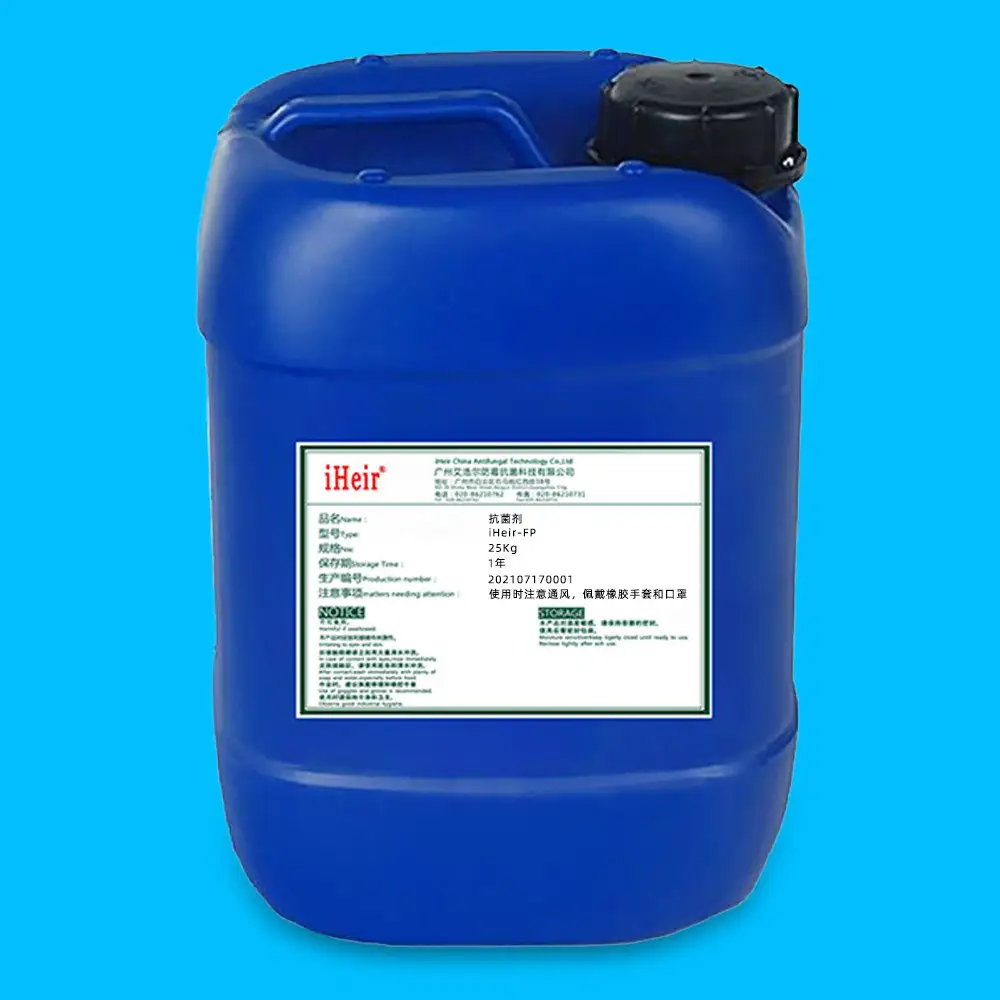
Can shoe insole mould and bacteria really be prevented? An insole has up to three materials, an EVA foam base, a fabric or leather top and a bonding glue layer, and each goes mouldy for a different reason, so the ratios must be worked out one by one. The EVA base takes iHeir-FP foam antimicrobial agent at 0.5%-1.5% on foam weight at the moulding stage, and the fabric top takes iHeir-BJ textile mildew inhibitor at 2%-3% o.w.f. in the padding bath. This article covers the two points and the figures.
1. Where the mould comes from: foam base, fabric top and bond line are three stages
An insole looks like a thin sheet, but it is three materials. The EVA foam base is the body, full of cells and resilient, and although it does not absorb water itself the cut edges hold damp; the fabric or leather top is the face against the foot and its fibres take up moisture; between them the bonding glue line joins the two, and the closed film has no air movement, which makes it the point where mould most often starts. An insole also works against foot sweat, so once it damps the first spots appear on the fabric top and at the bond seam.
The three stages pick up damp at different times. The EVA base takes in the humidity of the plant at foaming and cutting, most visibly at the cut edges; the fabric top collects damp at dyeing and finishing; and the glue line seals the damp inside at lamination. Once the goods are boxed and stacked, the damp in the core cannot get out, and the sea voyage adds another temperature swing.
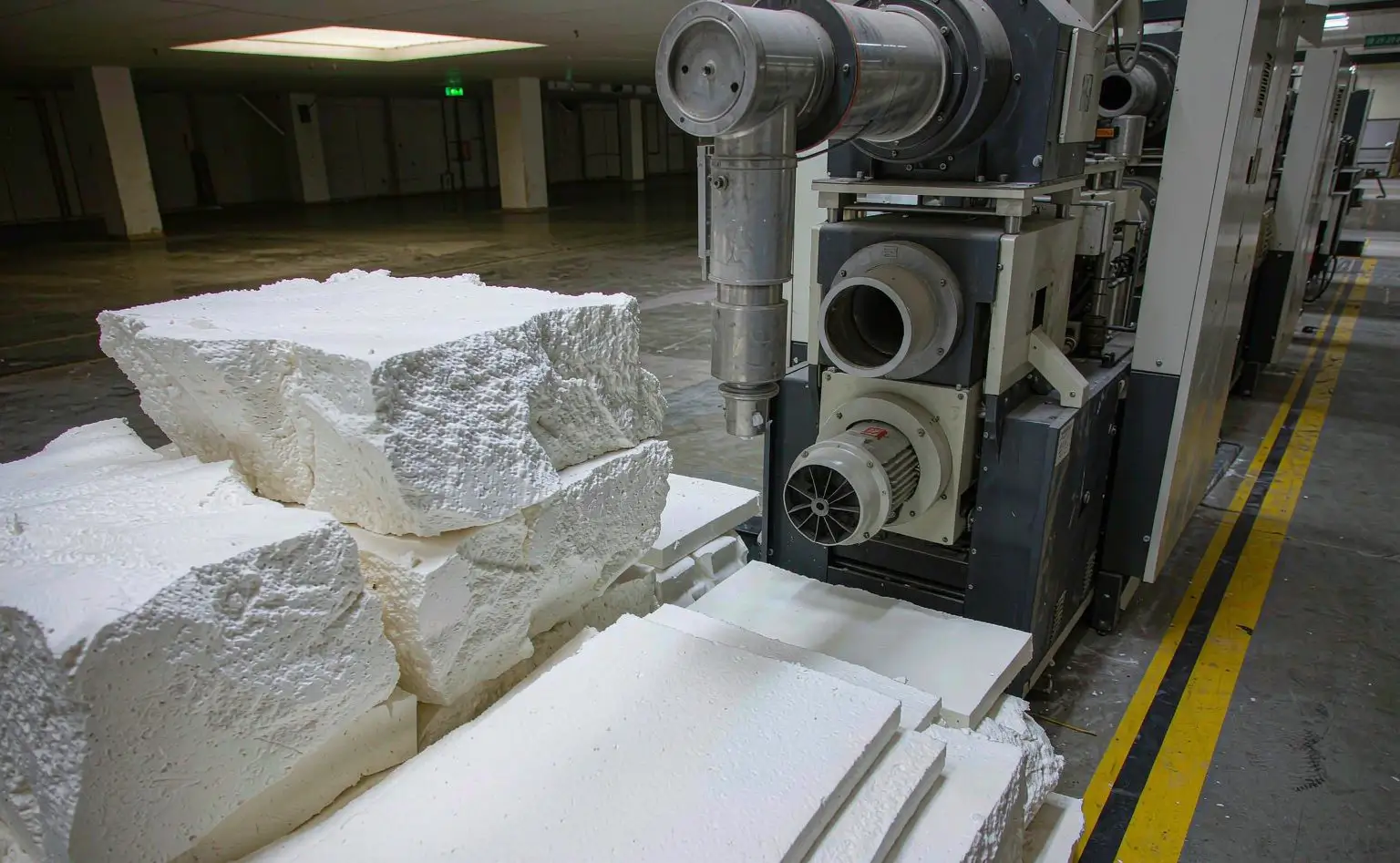
On the line, a plant foams the EVA sheet, cuts it to shape, laminates it to the fabric top, presses it and trims the edge before packing. Both treatments are done before lamination: the EVA base in with the foam compound at foaming, the fabric top in the padding bath. Treat it after lamination and only the exposed surface is covered.
2. The two points at a glance: EVA foam base and fabric top
The table lines up the part, the stage, what is treated, the product, the figures and the points to watch, so it can serve as the first draft of a process card.
| Part | Stage | Treated item | Product | Figures | Points to watch |
|---|---|---|---|---|---|
| EVA foam base | Foaming / moulding | Foam compound | iHeir-FP foam antimicrobial agent | 0.5%-1.5% on foam weight | In with the foam compound; stable from pH 1-11, check the foaming aids on a small sample |
| Fabric top | Padding | Dry fabric weight | iHeir-BJ textile mildew inhibitor | 2%-3% o.w.f. | Bath 21-50 degrees, pH 4.5-8.5; cationic, never with an anionic aid |
| Leather top (real / PU) | Cutting | Leather system | By the leather figure | Not set here | A third system; its figures must not be borrowed across |
| Bonding glue layer | Lamination | Glue film | Control (with the EVA batch) | On the foam-base figure | The closed film is the mould point; dry both faces before bonding |
| Finished store and packing | Stacking / carton | Air in the stack | Humidity control only | Below 60% relative humidity | Tight packs with no air movement; sheets by stack, and dry the goods before cartoning |
Five rows, one conclusion: the EVA base is figured on foam weight and the fabric top on dry fabric weight, so the denominators and units differ, while the bond line and the store take no agent at all.
3. The EVA foam base: FP in the foam compound at 0.5%-1.5%
The EVA base is completed at the foaming and moulding stage. Add iHeir-FP foam antimicrobial agent at 0.5%-1.5% on foam plastic weight, in with the foam compound so it disperses through the system. It is stable from pH 1-11, so the mildly acidic or neutral EVA foam formulations commonly used are all compatible, and the antimicrobial rate reaches 99.99% with a sensitisation rate of 0, which leaves a safety margin on a part worn against the skin. The additive is bonded inside the foam, so cutting, pressing and trimming will not rub it off, and the cut edges stay protected.
Three details. First, the figure is on total foam weight, regrind included, so any change in the regrind ratio means recalculating, and high-regrind batches belong at the top of the range. Second, a foam compound carries many aids, so premix with the main foam material for even dispersion before foaming, since powder fed straight in agglomerates locally. Third, an insole is small with many cut edges, and the edges damp most easily, so protection carried in the core is steadier than a surface treatment.
4. The fabric top: BJ in the padding bath at 2%-3% o.w.f.
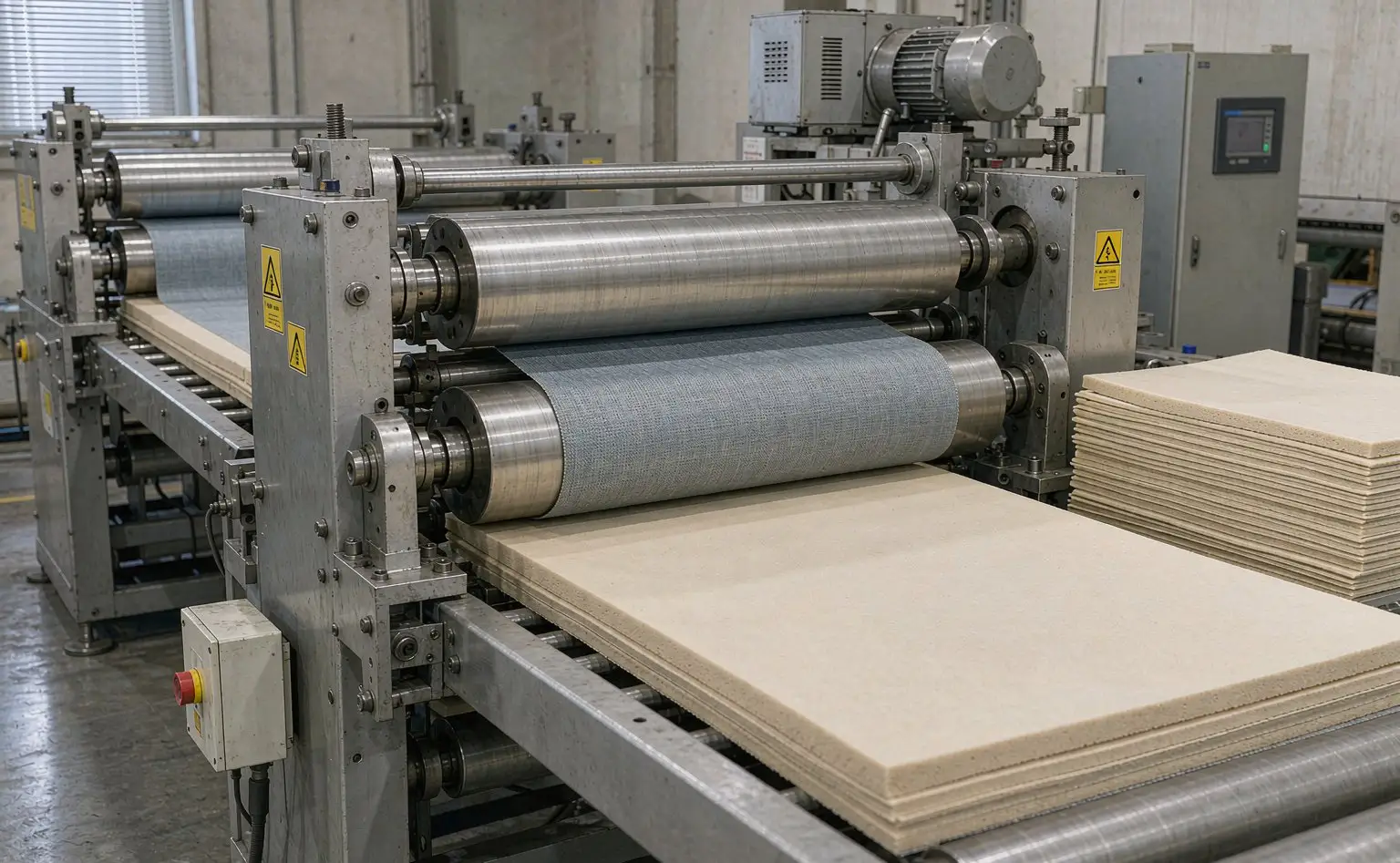
The fabric top is completed in the padding or dipping stage. Add iHeir-BJ textile mildew inhibitor at 2%-3% o.w.f. on dry fabric weight, with the bath at 21-50 degrees and the pH between 4.5 and 8.5, ideally near 6. Premix it with 9-13 times its volume of water and add it in portions to avoid a local spike; hold the wet pick-up at 70% and add 0.1% of a hydrophilic agent to improve the hand. After normal drying and setting the layer is fixed on the fibre, and 2% broadly supports a year or more of protection while 3% reaches two to three years, which is ample on an insole.
Three details. First, BJ is cationic, so it must never share a bath with an anionic aid; if the fabric top also needs moisture-wicking or softening finishing, check the ionic nature of those aids before fixing the bath order. Second, use soft water, since calcium and magnesium in hard water weaken its fixation on the fibre. Third, watch for shade shift on pale fabric tops and run a small sample first.
5. Bond line and finished store: the stages no agent is dosed
The key at the bond line is not the additive but the moisture. Dry both faces before the fabric top and the EVA base are bonded, because once the glue film closes, damp inside cannot get out and mould starts at the seam. The store matters just as much: bagged insoles are stacked tight with no air movement, so place gas-phase sheets by stack and hold the store below 60% relative humidity.
Packing can also use desiccants by carton type, since a sea voyage is long and the day-night swing is wide and condensation inside a box is harder to control than in a warehouse. Test the long-term growth by ASTM G21 and hold a complete sample per batch, since testing the EVA base alone or the fabric top alone does not count. See mould prevention for sports shoes and apparel for the same line.
6. Questions that come up: borrowing a ratio, or a pass after bonding
Can the EVA base and the fabric top share a ratio? No. The EVA base is figured at 0.5%-1.5% on foam weight and the fabric top at 2%-3% o.w.f. on dry fabric weight, so the denominators and units differ, and a leather top is a third figure of its own; none of the three converts.
Can a pass after bonding make up for it? No. Once the glue film closes, the liquor never reaches the seam between the fabric top and the EVA base, so only the exposed surface is covered.
Can extra loading cover a long spell in store? No. Damp in storage is an environment problem, not a concentration problem, and extra loading only raises cost. Hold the store below 60% relative humidity, place sheets by stack, and dry the goods before cartoning.
Two points carry the work: the EVA foam base goes in with the foam compound at the moulding stage (iHeir-FP at 0.5%-1.5% on foam weight, stable from pH 1-11), and the fabric top is padded in the bath (iHeir-BJ at 2%-3% o.w.f., bath 21-50 degrees, pH 4.5-8.5, cationic and never with an anionic aid), while the bond line and the store preserve both by drying, humidity control and gas-phase sheets. Samples and TDS sheets are available for a trial on your line.


