




 View Count:44
 Date:2026-09-08
Weihai fishing tackle anti-mold & anti-rust: rod and reel factory export guide
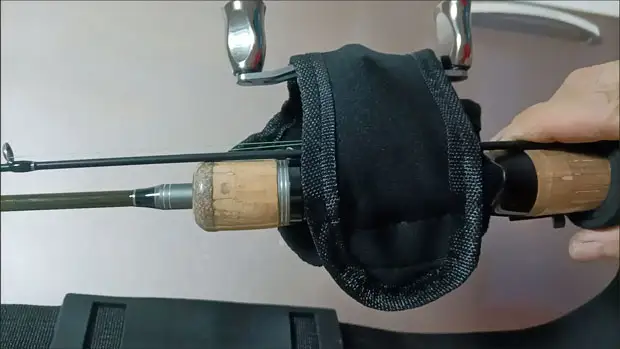
fishing tackle
Weihai is China’s fishing tackle capital — Huancui, Gaoqu, Nanhai New Area and Wendeng together host more than 4000 tackle factories, producing over 50 million rods and 20 million reels a year for export to Japan, Korea, Europe, the and Southeast Asia. Tackle exports have two special pain points: carbon rod bamboo/wood handle mildew and reel metal part rusting — they often occur simultaneously. One recent case: a Weihai rod factory shipped 18 000 carbon rods to Tokyo, Japan. After 6 days at sea, the consignee found white mildew on 18% of rod bamboo/wood handles and red rust on reel metal parts. The Japanese customer filed a refusal and RMB 480 000 claim. Another reel factory exported 6000 spinning reels to the US; after 32 days at sea, internal gears rusted and seized, triggering a full-batch return and RMB 350 000 in damages. Tackle mildew and rust often happen in the same container, so tackling only mold or only rust leaves claim exposure. This guide strings the three ports — rods, reels and tackle bags — into a deployable dual anti-mold + anti-rust SOP for tackle factories and foreign-trade companies.
1. Mildew and rust risk chain from Weihai tackle cluster to container
The Weihai tackle supply chain combines three materials — bamboo/wood (rod handles), metal (reel parts) and textile (tackle bags) — and mildew or rust typically appears at four high-risk points:
1. Rod raw material (carbon cloth, fiberglass cloth, bamboo/wood) warehouse: Carbon cloth and fiberglass cloth are themselves not mildew-prone, but rod handle bamboo/wood materials have a moisture content of 12%-18%, far above the safe 8% line; during the plum rain season at 80%-90%RH warehouse humidity, mildew can appear on the bamboo/wood handles within 2-3 days.
2. Reel metal parts (gears, bearings, housing) warehouse: Reels are made of aluminum housing + stainless steel gears + brass bearings. Without anti-rust treatment on the metal surface, oxidation and red rust can appear within 1-2 weeks in salt-laden sea-air; internal lubricating grease can also acidify and accelerate corrosion at high temperatures.
3. Production line (rod winding, curing, coating, assembly): Incomplete curing of epoxy or polyurethane coatings in the rod coating workshop can cause bubbling; residual cutting fluid or cleaning agent in the reel assembly workshop accelerates corrosion; finished rods and reels dwell on the line 5-7 days, and during plum rains the workshop humidity often stays above the safe threshold, producing local mildew and rust.
4. Finished packaging and container sea-freight: Rods are packed into PE bags and paper boxes; reels are packed into color boxes and outer cartons. Once in the container, the “container rain” effect kicks in: daytime sun at 50-70°C, nighttime drops to 25°C with RH above 95%; condensation drips onto rod handles and reel surfaces. A 18-32 day sea voyage is enough time for mildew and rust to fully develop.
Therefore tackle exports must combine anti-mold (for rod bamboo/wood, handles, packaging) and anti-rust (for reel metal parts, bearings). Single anti-mold or single anti-rust leaves claim risk.
2. Weihai tackle factory deployable SOP: rod + reel + tackle bag three-port dual-protection plan
Below is a procedure directly insertable into the Weihai tackle factory flow:
1. Rod raw materials and handles: Carbon cloth and fiberglass cloth are not mildew-prone and need no extra treatment. For bamboo/wood handles and handle bases, before further processing, dip in iHeir-JP bamboo and wood fungicide (diluted 1:10 with water, 10-15 minute dip) or spray iHeir-Spray (M3D) water-based anti-mildew agent (30-50 ml per square meter), air-dry 15-20 minutes before winding. EVA foam handles can be sprayed at 1:5 dilution.
2. Reel metal parts (priority anti-rust): Before shipping out, spray VCI anti-rust agent on the reel metal surface (Power Pak contains VCI gas-phase anti-rust molecules, delivering both anti-mold and anti-rust). Drop a VCI anti-rust chip into the gear/bearing/housing cavity (one chip per reel). After assembly, seal each reel in a PE bag with 1 Power Pak tablet + 1 pack of CH-10 anti-mildew drying and deodorizing pack (CH-10 contains calcium chloride + activated carbon, absorbing moisture while adsorbing metal and plastic odors).
3. Tackle bags and accessories: Tackle bags are typically made of 600D polyester, 1000D nylon or hard EVA shell, with cotton webbing, mesh pockets and zippers. Place 1 Power Pak M tablet (each tablet covers 1-2 m³) inside the tackle bag. Spray a small amount of M3D on the zippers. Drop 1 Power Pak M tablet into each corner of the outer carton. Pack fishing lines and hooks into sealed bags with 1 pack of silica gel desiccant (5-10 g per bag).
4. Finished rod packaging: Put each finished rod into a PE bag with 1 Power Pak S tablet (small size fits a single rod). Line the bottom of the paper box with one sheet of iHeir anti-mold packaging paper (natural cotton paper base, biodegradable, 180+ day mold protection). Drop 1 Power Pak M tablet into each corner of the outer carton and stick one gas-phase anti-mold patch (iHeir-D 5 series) to the inside wall.
5. Finished warehouse and container sea-freight: Hold finished warehouse RH below 55%RH with industrial dehumidifiers. Stack rods and reels separately to avoid reel metal oil contaminating rod bamboo/wood. Hang 8-10 T-1000 container desiccant sticks per 20 ft container (tackle containers carry heavier humidity than garment containers, so 20% more than usual is recommended). Stick moisture-proof aluminum foil reflective film to the inner walls. Add 3-4 CH-10 packs (CH-10’s strong moisture absorption protects reel metal from rusting).
This five-port dual-protection plan is in active use at 20+ mid-to-large Weihai tackle factories (complementary to the general tackle mold guide). Total investment is 1.2%-2% of finished product cost — far below the 6%-18% mold and rust claim exposure.
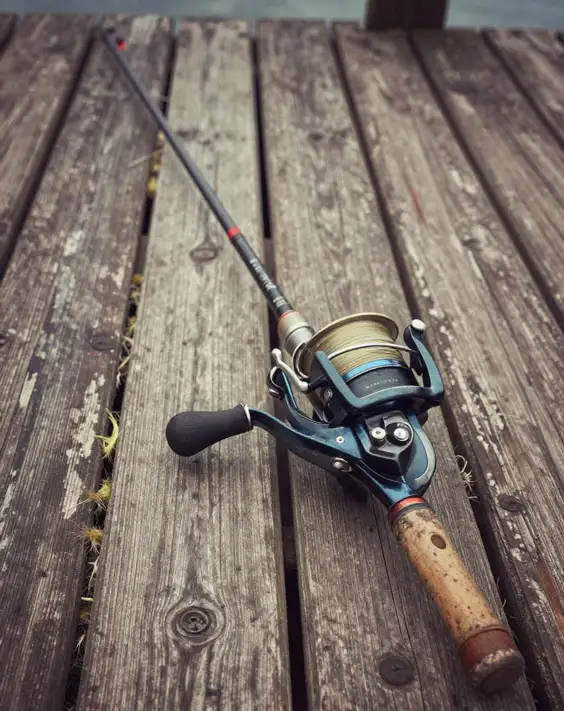
fishing tackle
3. Real anonymized mildew and rust case at a Weihai tackle factory
A branded rod factory in Weihai Huancui (annual output 2 million rods) shipped 18 000 carbon rods to Tokyo, Japan in August 2024 with FOB value RMB 3.2 million. After 6 days at sea, the consignee found 18% of rod bamboo/wood handles covered in white mildew spots and red rust on some reel metal parts. The Japanese customer invoked contract annex 4 “on-arrival inspection” and filed a full-batch refusal and RMB 480 000 claim.
Root cause review: bamboo/wood handles had no anti-mold treatment; reels had no VCI anti-rust treatment; finished rods had no anti-mold tablets inside; container had no T-1000 sticks; outer cartons used plain corrugated board with no anti-mold paper.
Remediation: bamboo/wood handles dipped in iHeir-JP at 1:10 dilution for 10-15 minutes; reel metal parts sprayed with VCI anti-rust agent + Power Pak inserted; 1 Power Pak S tablet in every finished rod PE bag; iHeir anti-mold packaging paper lined in every outer carton; 8 T-1000 sticks + 3 CH-10 packs per 20 ft container. In the second half of 2024 across 10 shipping containers, the mildew rate dropped to under 0.6% and the rust rate dropped to under 0.4%, with zero claim exposure per container.
A reel factory in Weihai Gaoqu (annual output 800 000 reels) had a similar reel gear rust issue (see the hardware anti-mold guide for the same rust root cause). After switching to VCI anti-rust chip + Power Pak inside the reels, the rust rate fell from 14% to 0.5%.
4. Anti-mold and anti-rust product selection guide for Weihai tackle factories
Weihai tackle factories typically use four categories of anti-mold and anti-rust products. The right model must be chosen per material port:
1. Rod bamboo/wood anti-mold (spray / dip type): For bamboo/wood handles and handle bases, use iHeir-Spray (M3D) water-based anti-mildew agent (non-toxic and odorless, safe on bamboo/wood) or iHeir-JP bamboo and wood fungicide (bamboo/wood-specific, with bamboo/wood penetrant). For EVA foam handles, spray at 1:5 dilution. Mix ratio: M3D sprayed directly or diluted 1:5 with water; iHeir-JP dipped at 1:10 dilution for 10-15 minutes.
2. Reel metal parts anti-rust (VCI gas-phase + in-pack anti-mold): Spray VCI anti-rust agent on the reel metal surface (Power Pak contains VCI gas-phase anti-rust molecules, delivering both anti-mold and anti-rust). Drop a VCI anti-rust chip into the gear/bearing/housing cavity (one chip per reel). After assembly, seal each reel in a PE bag with 1 Power Pak tablet + 1 pack of CH-10. Power Pak was the fastest-growing product for Weihai tackle factories in 2024, up 220% year-over-year.
3. Container sea-freight moisture control (stick type + deodorant type): 8-10 T-1000 sticks (tackle containers carry heavier humidity than garment containers) + 3-4 CH-10 packs per 20 ft container; 12-14 T-1000 + 5-6 CH-10 per 40 ft high cube. For high-value sea fishing rods (Shimano, DAIWA equivalent grade), add 2-3 packs of silica gel desiccant as backup.
4. Tackle bag and outer carton (anti-mold paper + tablet type): Place 1 Power Pak M tablet inside the tackle bag. Line the bottom of the paper box with iHeir anti-mold packaging paper (natural cotton paper base, biodegradable, 180+ day mold protection) — especially important where the rod handle contacts the box. Drop 1 Power Pak M tablet into each corner of the outer carton. Weihai tackle factories’ anti-mold paper use grew 4x in 2024 (high-value tackle products can absorb the small anti-mold cost share).
5. Compliance essentials for Weihai tackle exports: GB/T 18011, JIS B7202, ASTM F2291 and inspection
Tackle exported to Japan, Korea, Europe and the US must pass the following compliance checks:
1. China GB/T 18011-2020 “Fiberglass fishing rods”: Tensile strength, bending strength, durability, moisture content ≤12%; baseline for Weihai rod factory exports.
2. Japan JIS B7202-2018 “Fishing rods”: Mandatory standard for the Japanese market, covering rod sections, strength, durability and moisture content; mandatory for Weihai rod factory exports to Japan.
3. US ASTM F2291-2020 “Standard test methods for fishing rods”: Common standard for the US market, covering rod bending strength, guide ring pull force and handle friction coefficient.
4. EU REACH Annex 17: Phthalates in rod coatings (DEHP/DBP/BBP limit 0.1%); polycyclic aromatic hydrocarbons (PAHs limit) in reel plastic parts. All iHeir anti-mold products have passed SGS REACH 171-item full testing; English reports can be provided.
5. Japan Food Sanitation Law (skin-contact parts): For rod handles contacting skin, formaldehyde emission ≤75 mg/kg (Japanese Ministry of Health standard); mandatory for Weihai rod factory exports to Japan.
6. Export commodity inspection and certificate of origin: Weihai tackle is exported via Weihai Customs or Jinan Customs, requiring CIQ commodity inspection certificates; FORM A, FORM E, FORM F certificates of origin are issued per customer requirement; packaging containing anti-mold and anti-rust agents must note “contains moisture absorber and anti-rust agent” on the customs declaration.
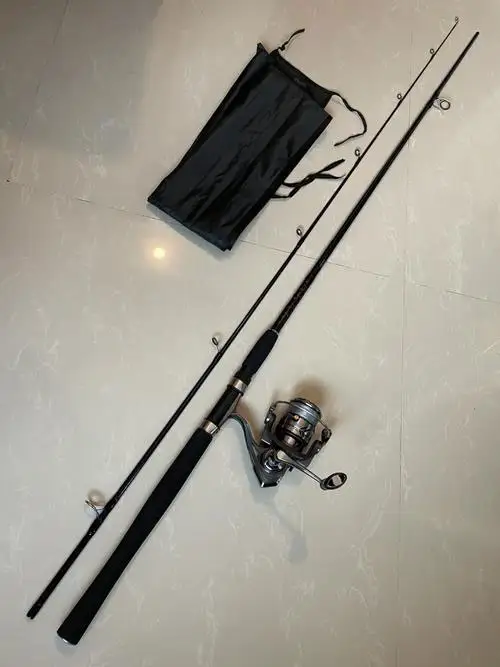
fishing tackle
6. Printable dual-protection inspection checklist for Weihai tackle factories
The following checklist can be printed and posted in the production office or QA room:
☐ Rod bamboo/wood handles have been dipped in iHeir-JP at 1:10 dilution for 10-15 minutes or sprayed with M3D (record per batch: treatment time, concentration, operator)
☐ Reel metal parts sprayed with VCI anti-rust agent + VCI anti-rust chip inserted inside (one per reel)
☐ Reel after assembly sealed in PE bag with 1 Power Pak tablet + 1 CH-10 pack
☐ Tackle bag: 1 Power Pak M tablet inside, M3D sprayed on the zippers
☐ Fishing line and hook accessories in sealed bags with 1 silica gel desiccant pack (5-10 g per bag)
☐ Finished rod PE bag: 1 Power Pak S tablet inside, iHeir anti-mold packaging paper at the bottom of the paper box, 1 Power Pak M tablet at each corner of the outer carton
☐ Finished warehouse RH ≤55%RH, rods and reels stacked separately, iHeir-D 5 gas-phase anti-mold patch on the outer carton
☐ 8-10 T-1000 sticks + 3-4 CH-10 packs per 20 ft container, 12-14 T-1000 + 5-6 CH-10 per 40 ft high cube, container door gasket intact, moisture-proof aluminum foil reflective film on inner walls
☐ Customs declaration marked “contains moisture absorber and anti-rust agent”, with REACH 171-item + GB/T 18011 + JIS B7202 / ASTM F2291 test reports + CIQ commodity inspection certificate
After running through this checklist, factories in Weihai Huancui, Gaoqu, Nanhai New Area and Wendeng typically reduce their mildew and rust claim rate from 6%-18% to under 1%, and for shipments with per-container value above RMB 1 million, zero mildew and zero rust is achievable. For rod anti-mold agent samples, bulk Power Pak quotes, or the full T-1000 container desiccant solution, please contact us for your tailor-made plan.