




 View Count:27
 Date:2026-11-05
Can switchgear cabinet mould be prevented, and why does it always start on the insulating supports? Once the cabinet cools, condensation lands on the supports and in the bottom corners, spots on an insulator shorten the creepage path, and the dielectric test fails, which means rework or a downgrade. Add iHeir-JS117 plastic anti-mould powder to the DMC and PA supports at 0.5%-1.0% of part weight, and size T-1000 drying rods to the cabinet volume. This article covers where the powder goes, what is retested and how the rod count is worked out.
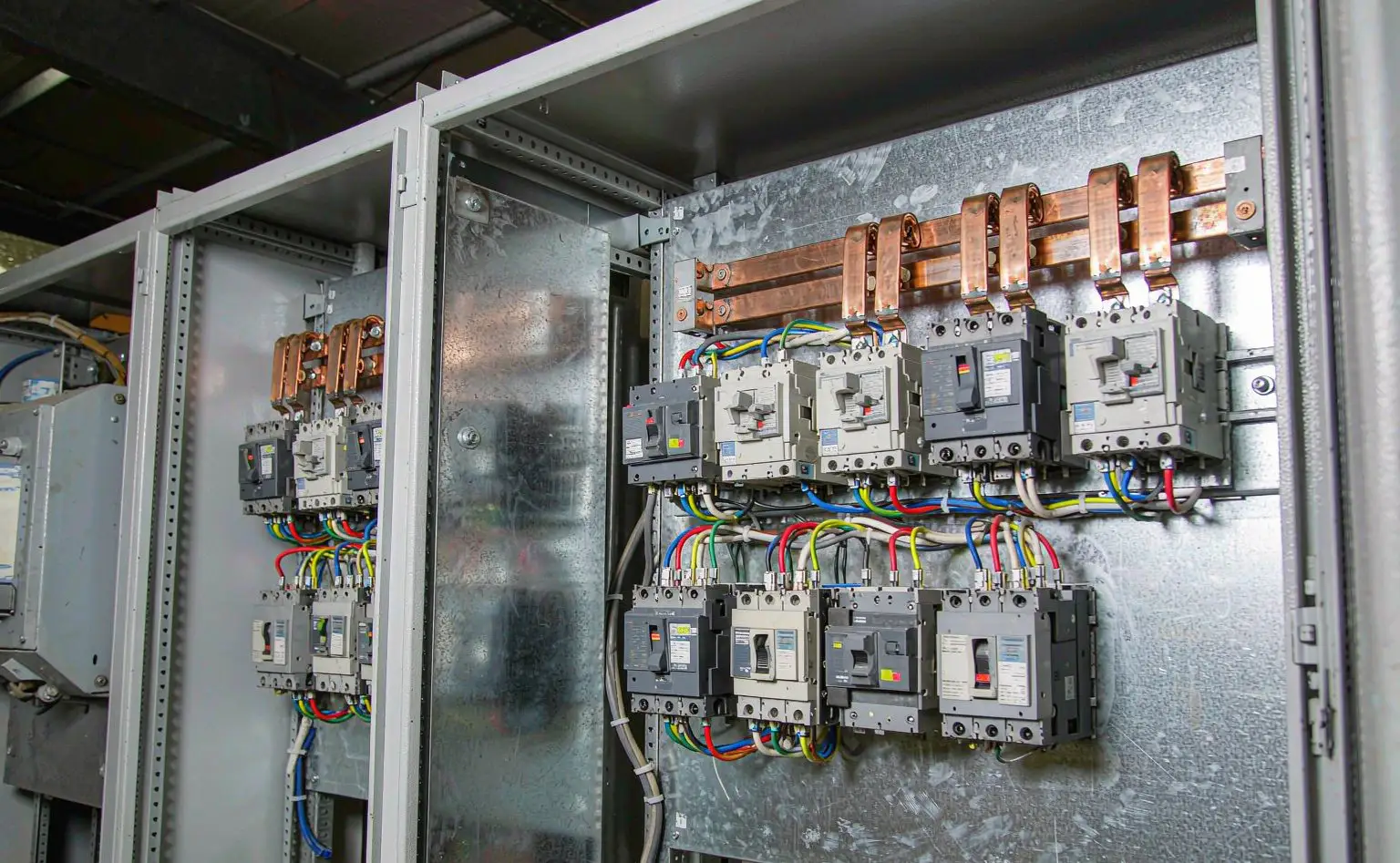
1. Mould on the supports, and in the bottom corner
An LV distribution cabinet comes down to a few groups: sheet-steel enclosure, DMC-pressed insulating supports, PA insulators and clamps, copper busbars, breakers, door gasket, bottom plate and the paper documents inside. Copper and the components themselves do not feed mould; the exposure is in the insulating supports and in the paper and dead corners of the cabinet.
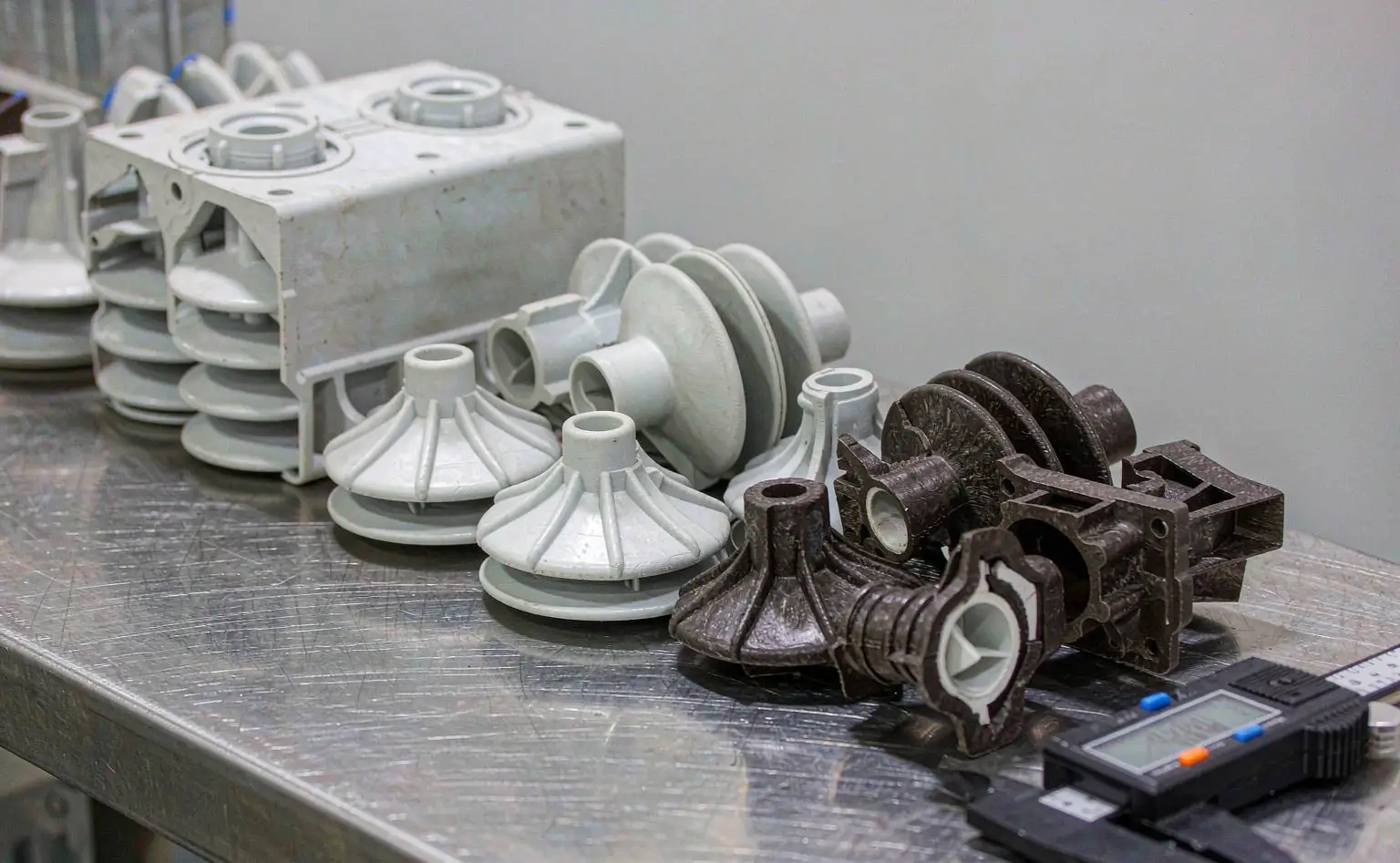
Supports fail at the surface and the bolt holes. A pressed DMC part leaves the tool with release agent on the skin, and bolt holes, insert edges and the base of the sheds collect dust. Those points spot first once cabinet humidity rises. A spot does not conduct, but it takes up water and forms an electrolyte film that shortens the creepage path.
The bottom corner fails by condensation. In storage and at sea the cabinet sees a day-night swing, moisture moves to the lowest point, and the bottom plate, the heater area and the cable entry are the wettest places. Paper diagrams and rating labels inside the door take water first, then pass mould on to the supports.
Neither stage covers the other. Powder inside a support does not evaporate into the cabinet, and a rod in the cabinet never reaches the compound. Treat one stage and the other still fails; after thirty days at sea the door opens onto a white bloom.
2. Powder in the supports, rods in the cabinet
The table lines up the supports, the insulators, the busbars and the cabinet volume. Plastic is dosed on part weight, the cabinet in rods by volume, and the two are not convertible.
| Part | Material | Product and level | Stage | Control point |
|---|---|---|---|---|
| Insulating supports | DMC unsaturated polyester with glass fibre | iHeir-JS117 0.5%-1.0% of compound | Mixing, before pressing | Trial first for cure and insulation |
| Insulators, busbar clamps | PA66, flame-retardant PA | iHeir-JS117 0.5%-1.0% of compound | Premix before moulding | Retest flame and dielectric |
| Cabinet volume | Internal volume | T-1000 one rod upward | At the floor, before the door closes | Scaled by volume, big cabinets two |
| Busbars, terminals | Copper, tinned | No powder, rust protection only | Assembly | Keep clear of the absorber |
One boundary. Powder stops the support itself from moulding, the rod takes moisture out of the cabinet air. A cabinet with a tired door gasket will not be saved by ten rods; fix the seal first.
3. DMC supports: mixing, cure and the retest
Supports and insulators take iHeir-JS117 plastic anti-mould powder at 0.5%-1.0% of finished part weight. It is a nitrogen heterocycle phenol-alcohol compound with more than 97% active matter, 380 kg/m³ bulk density, 110μm mean particle size, insoluble in water, leaching-resistant, stable to 280℃ and free of arsenic.
Where. PA parts get it blended with the pellets before moulding, in a high-speed mixer or at the pelletising stage. DMC parts get it dispersed with the resin paste, glass fibre and filler at the kneading stage, then pressed as usual. Do not scoop powder beside the press: at 110μm it will not disperse through the dough, and the part comes out with white specks and a shade shift.
DMC needs a trial first. The usual JS117 list is PVC, PU, polyolefins, polyesters, thermoplastic elastomers and rubber, while DMC is an unsaturated polyester thermoset loaded with glass fibre and filler and cured by an initiator, so it is not the same family. Press one set at 0.5% and one at 1.0%, then check whether cure time and exotherm move, how much flexural and impact strength is lost, and whether insulation resistance and tracking to GB/T 4207 still pass. All three hold, then scale up.
The retest is not optional. A support is an insulating part, so any additive means the validation is repeated: vertical burning to UL 94, tracking to GB/T 4207, electric strength to GB/T 1408.1, and dielectric plus insulation resistance on the assembled cabinet as a routine factory test. Lose the rating and the batch does not ship, however good the mould result looks.
4. Rod count from cabinet volume
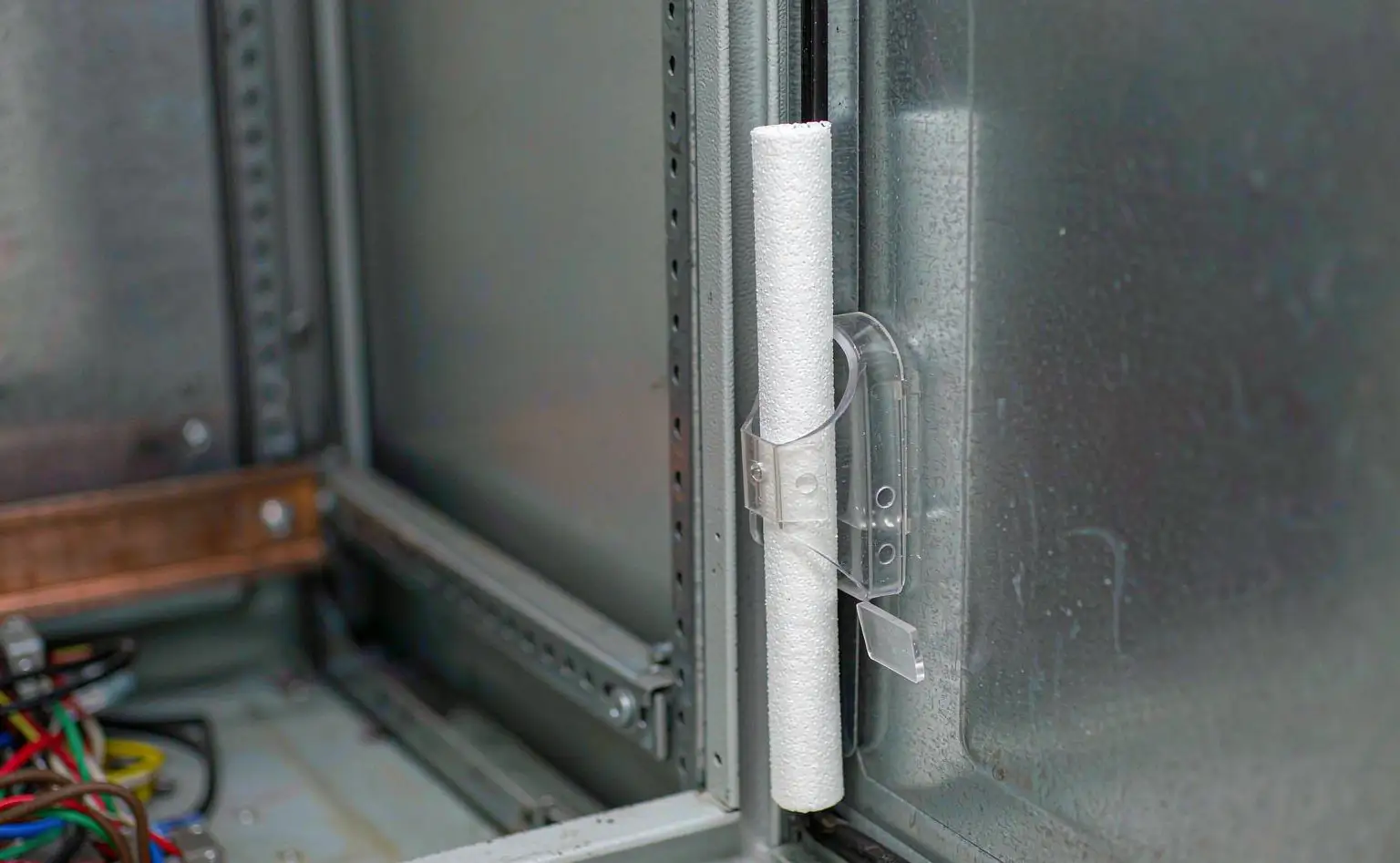
Inside the cabinet the choice is T-1000 container drying rods, one kilogram per rod, cross-linked sodium polyacrylate around pH 6.9, non-corrosive to metal, absorbing more than its own weight at 25℃ and 80% RH.
The published figure is per container. The product page gives 8-10 rods for a 20ft box and 10-12 for a 40ft box, scaled to container volume and transit time. There is no separate cabinet figure, so this article scales by volume: a 20ft box holds roughly 33 cubic metres and takes 8-10 rods, so an 800×600×2200 cabinet at about 1.1 cubic metres gets under 0.3 of a rod. Start at one rod per cabinet, add a second for a large cabinet, plenty of paper or a long sea leg, and correct it after the first opening.
Where to fix it. Bottom corner or low on a side wall, clear of busbars, busbars joints and heat sources, held with a tie or clip so the body never rests on bare copper. On a multi-tier cabinet put one above each shelf as well, because moisture travels down and the top tier otherwise goes untreated.
With an anti-condensation heater. A heater raises cabinet temperature, which makes an absorber work faster; both are wanted, but the heater does not replace the rod, since the moisture is still there once the power is off.
5. Factory release, sea leg and inspection
Assembly and release. Move moulded and pressed supports within the shift, lid the totes, hold the shop below 60% RH. Fit the rods only when assembly is finished and the door is about to close; fitted early, the rod absorbs shop air and is spent before the cabinet ships.
Sea leg. Load cabinets clear of the container wall. Where a cabinet carries paper diagrams and labels, add a vapour sheet for the paper as well, since paper takes water on its own route, covered in cartons that mould after shipping.
Release at three levels. Supports and insulators to ASTM G21 or ISO 846, one sample from a shed and one from near a bolt hole; paper inside the cabinet to GB/T 24346-2009; complete cabinets for 30 days at 30℃/85% RH, opening to inspect support faces, the bottom plate and the documents. Electrically, dielectric, insulation resistance and tracking follow the routine factory tests, one set before and one after the change. Additive selection is set out in masterbatch or powder.
6. Questions on shells, dose and rod life
Q: Does the powder-coated steel shell need treating too?
The coating does not feed mould, but the texture holds dust and the bottom plate holds moisture. Drying and cleaning the corners does more than treating sheet steel.
Q: Is 0.5% enough in DMC?
Stay inside 0.5%-1.0% of part weight. DMC is filler-heavy and the filler adsorbs active matter, so start the trial at 1.0%, confirm cure and insulation, then work down.
Q: How long does one rod last?
It depends on volume, sealing and transit time. One rod covers a 30-40 day sea leg in a well-sealed cabinet; for long storage or a poor seal add a second and record the rod at opening.
Q: What if the cabinet has already moulded?
Wipe the spots, dry the interior, then check the door gasket and cable entries. Where a spot has eaten into a support surface, scrap the part.
Four points to take away: add iHeir-JS117 to DMC and PA supports at 0.5%-1.0% of weight, then retest to UL 94, GB/T 4207 and GB/T 1408.1; size T-1000 rods by cabinet volume from one per cabinet, fixed in the bottom corner clear of busbars; fit the rod only as the door closes; grade paper inside the cabinet to GB/T 24346-2009. A 1kg powder sample and two rods go out for a trial, with MOQ and lead time on the iHeir-JS117 product page.


