




 View Count:27
 Date:2026-11-05
How is transformer mould treated, and why does it survive in the pressboard, not the oil? Once it reaches the layers, insulation resistance and dielectric loss move together, and a finished unit is reworked or downgraded while the sailing date stands. The routine is to place iHeir-D vapour-phase sheets between pressboard layers at 0.1-0.2g of active matter per sheet, and to hang T-1000 drying rods in the crate and the container at 8-10 per 20ft box. This article covers where the sheets go, drying before oil filling, and how the packed unit is released.
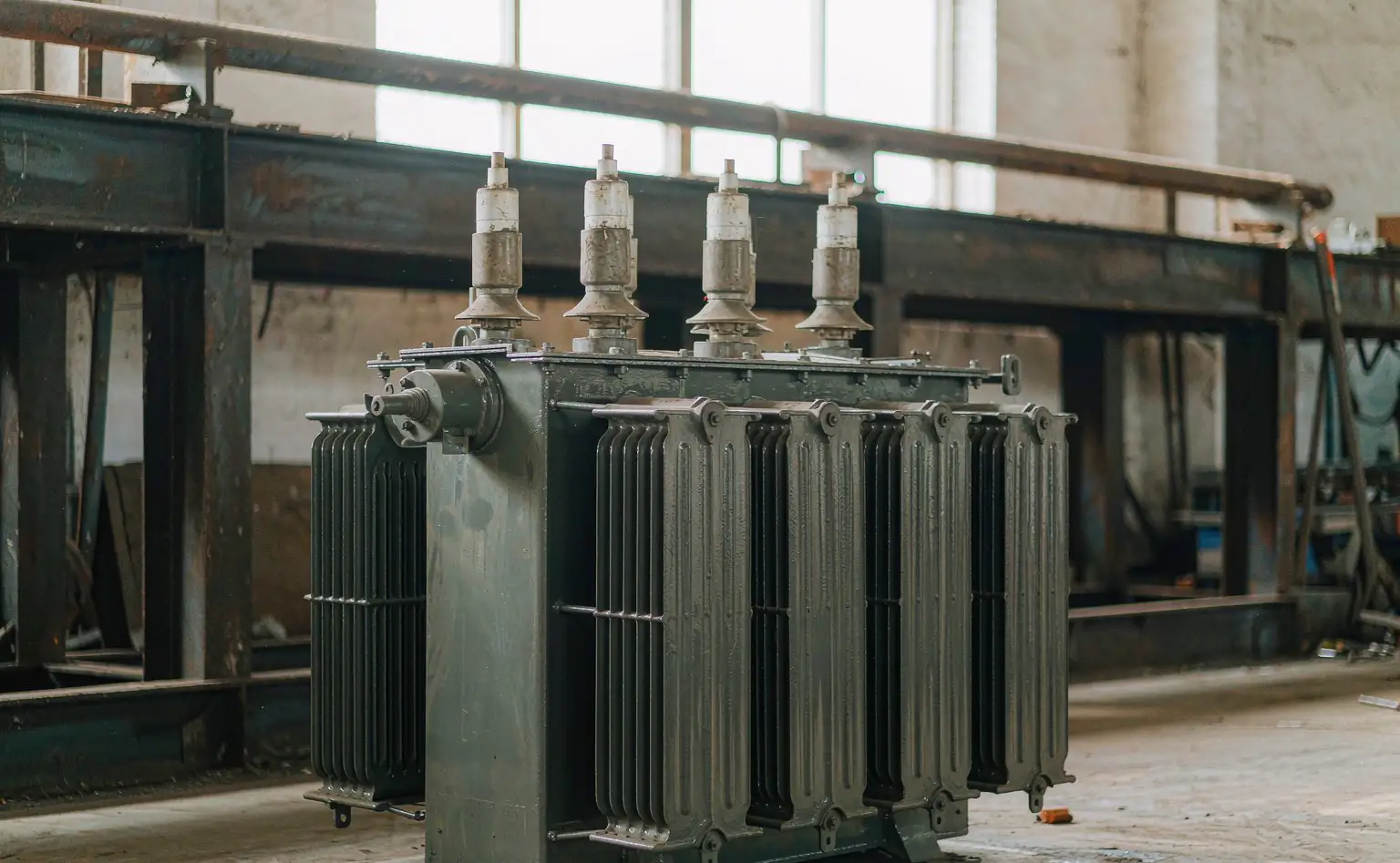
1. The mould sits between pressboard layers, not in the oil
An oil-immersed transformer is built from core and windings, pressboard and laminated wood, leads and busbars, tank and radiators, bushings and packing crate. Neither metal nor insulating oil feeds a mould, so the real exposure is in the cellulose pressboard and laminated wood, and in the crate and its liner.
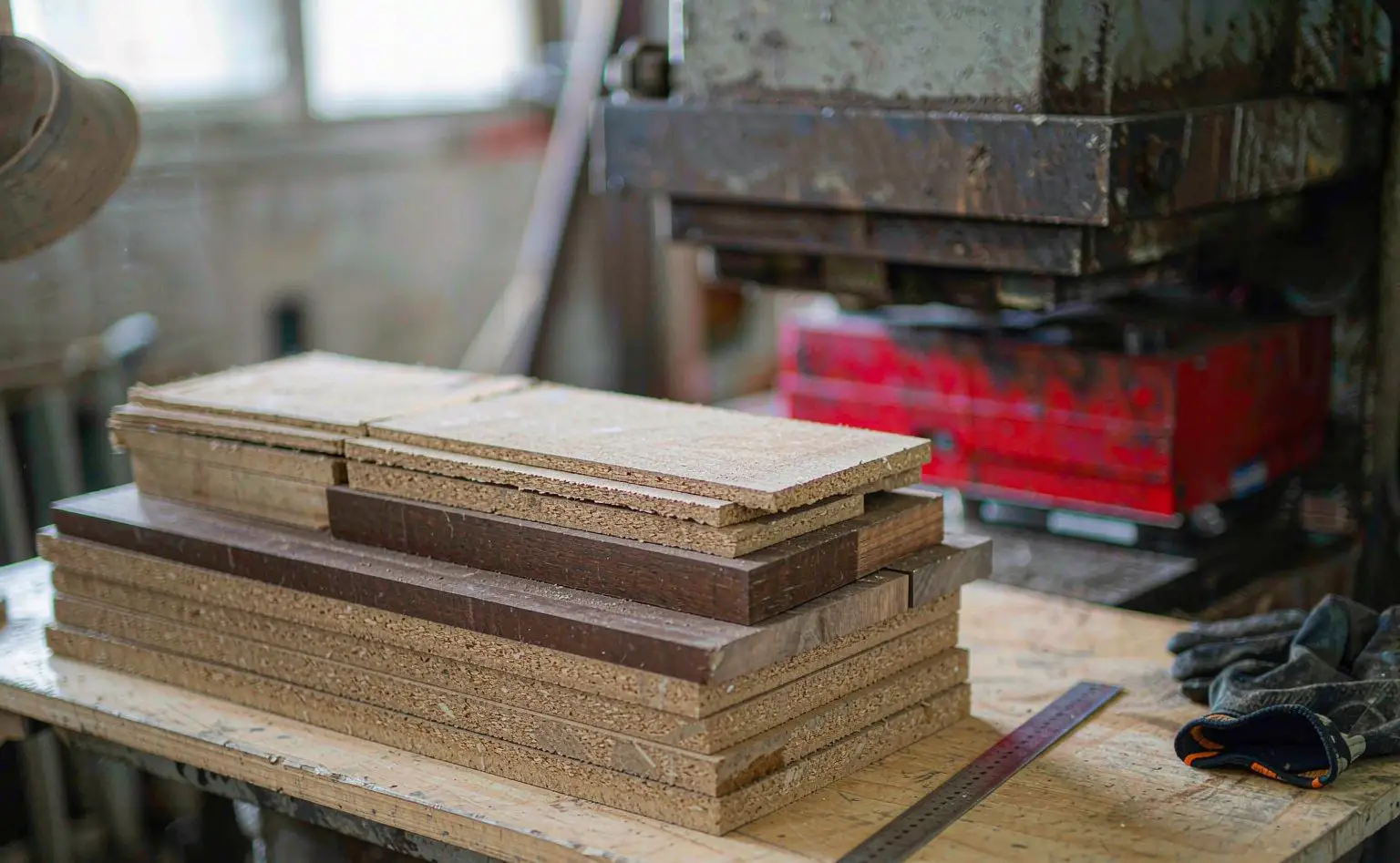
The pressboard problem is moisture content. Pressboard is pressed from sulphate pulp, takes water quickly and gives it up slowly. When the stacking bay humidity climbs in the wet season, the cut edges pick up moisture first, and the seams between layers become the place where a mould settles. By the time final assembly finds it, the spot is buried in the seam and cannot be wiped or dried out.
Mould inside the seam costs insulation. Surface spots wipe off; a spot in the seam follows the fibre inward and the dielectric loss and insulation resistance drift with it. Such board is downgraded or replaced, and the labour plus copper scrap is not small.
Dry-type and oil-immersed differ. On an oil-immersed unit the danger window is the semi-finished stage before the tank is sealed. On a cast-resin dry-type unit the mould sits on the winding surface and at the duct openings; the casting itself does not feed mould, but dust and damp air in the ducts carry it.
2. Pressboard and crate handle different jobs
The table lines up pressboard, laminated wood, crate and container. Paper is counted in sheets, the container in rods, and the two are not convertible.
| Part | Material | Product and level | Stage | Control point |
|---|---|---|---|---|
| Pressboard, laminated wood | Sulphate pressboard, laminated block | iHeir-D 0.1-0.2g per sheet | Stacking and final assembly | Paper between sheet and busbar |
| Lead wrapping, end insulation | Cable paper, crepe paper | iHeir-D 0.1-0.2g per sheet | After assembly, before crating | Trial at three times the dose |
| Crate and liner | Plywood, corrugated | iHeir-D one sheet on the wall | Before the crate is closed | Needs a liner film to hold the vapour |
| Container | 20ft / 40ft box | T-1000 8-10 / 10-12 rods | Loading | Hang on the roof beam, clear of doors |
One boundary. A vapour sheet works by releasing into a closed volume, so an open crate or an unlined box lets the active matter escape within an hour; a drying rod takes moisture out of the container air and cannot reach water already inside the board. Both stages are needed before the crate opens clean.
3. Sheets in the pressboard: position, count and compatibility
Pressboard and laminated wood take iHeir-D vapour-phase anti-mould paper at 0.1-0.2g of active matter per sheet. It is an ink-coated paper rather than a spray, so the question is never grams per square metre but sheets per stack and how tightly it is closed.
Where. Place a sheet between pressboard layers at stacking, one every five to eight layers; on laminated wood parts such as clamping blocks and wood spacers, one above and one below in the pile. After final assembly, put one sheet between the lead packages and end insulation, never directly against a copper busbar.
Why it has to be closed. Bag the stacked board with a liner film, PE or aluminium composite, with the sheets inside, and the concentration holds. Left open on a pallet, one hour of shop ventilation carries the active matter away.
Trial compatibility first. Seal three times the normal dose with a pressboard sample, mist a little water, keep paper between the sheet and the sample, and inspect after a few days for dulled copper, yellowed board or a hazy insulating varnish. iHeir-D carries 70%±5 solids and under damp conditions it can corrode poor-quality metal, so tinned busbar gets this trial before anything else.
4. Moisture control before sealing and casting
On an oil-immersed unit the critical node is the sealed tank: after vacuum drying, check board moisture and dew point and fill oil only when both are in spec, keeping the gap between drying and filling short. A unit left open for more than a shift takes the shop air back into the board.
On a cast-resin unit the focus is preheat and the ducts: preheat and dry the winding before casting, plug the duct openings afterwards, and keep finished units off the outer wall and off the floor in the store. Hold shop and store below 60% RH with dehumidifiers through the wet season, and keep stacks clear of the ceiling, where the gap to the lights condenses first.
Board that has already spotted is sorted three ways: surface bloom wiped, dried and re-tested for dielectric loss may be used; a layer seam with spots but acceptable loss is downgraded to a non-critical part; black seams or a failed insulation resistance means the board is replaced, because drying is a gamble and the electrical test is not.
5. Crate, container and release
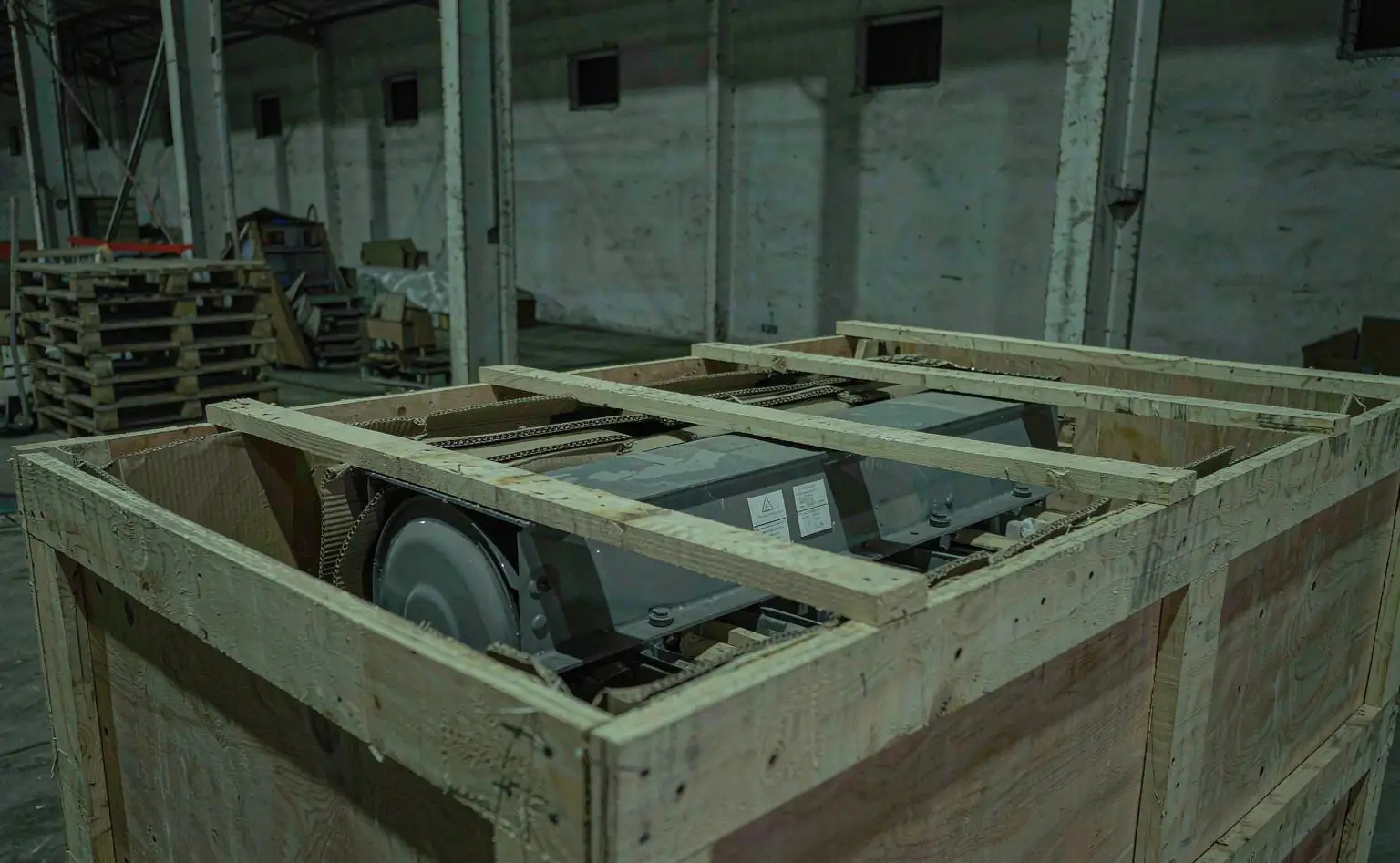
At packing, use iHeir-D vapour-phase paper: one sheet against the crate wall, corrugated board between the core and the wall to keep them apart. The route by which timber packaging takes water is covered in cartons that mould after shipping, and pallet and plywood moisture content belongs in the same check.
For the sea leg, hang T-1000 container drying rods at 8-10 per 20ft box and 10-12 per 40ft box, fixed to the roof beam and clear of the doors, one kilogram per rod. The material is cross-linked sodium polyacrylate at about pH 6.9, neutral and non-corrosive to metal, absorbing more than its own weight at 25℃ and 80% RH; go to the upper figure for long routings, slow port handling or a route with wide temperature swings. Desiccant selection is set out in choosing VCI desiccants.
Release at three levels. Pressboard and laminated parts are graded to GB/T 24346-2009, sampling a cut edge and a layer seam; crates and liners to the same standard; complete units run 30 days at 30℃/85% RH, then open to inspect seams, busbars and lead packages. Electrically, insulation resistance, dielectric loss and partial discharge follow the routine factory tests, one set before and one after the change, both kept on file.
6. Questions on oil, loss and sheet counts
Q: Should the insulating oil carry an anti-mould additive?
No. Oil does not support a mould, and the exposure is board moisture plus semi-finished storage; dosing the oil only carries water into it.
Q: Will a vapour sheet raise dielectric loss?
Run the trial at three times the dose and compare board moisture and loss before and after. The sheet never touches an oil duct, so at normal dose it is not an insulation risk.
Q: How many sheets does one transformer take?
Count by layers and parts at 0.1-0.2g each: one every five to eight pressboard layers, one above and one below laminated blocks, one on the crate wall. Take the upper figure for large crates, many layers or long storage.
Q: With sheets in the crate, are rods still needed?
Yes, and they do different work: the sheet handles mould in the crate volume, the rods handle container moisture. One unit per crate needs the sheet alone; the container still takes 8-10 rods.
Four points to take away: place iHeir-D sheets between pressboard layers and around laminated wood at 0.1-0.2g each, bag the stack with a liner film after a trial at three times the dose; check board moisture and dew point before oil filling; line the crate wall with a sheet and keep corrugated board against the core; hang T-1000 rods at 8-10 per 20ft and 10-12 per 40ft box on the roof beam. A pack of sheets and two rods go out for a trial, with MOQ and lead time on the iHeir-D product page.


