




 View Count:29
 Date:2026-11-04
How do you treat mould on a jump rope handle, and why does the card keep moulding after the grip has been wiped? Spots on the grip sit in the texture and the grooves, while spots on the card start in the moisture between board and blister. Blend iHeir-IPI001 inorganic zinc-ion antimicrobial into the TPR grip compound at 0.8%-1.0% of weight, and stick an iHeir-D vapour sheet behind the card at 0.1-0.2g of active matter. This article covers the dosing stage, the cord and assembly, and the card packing.
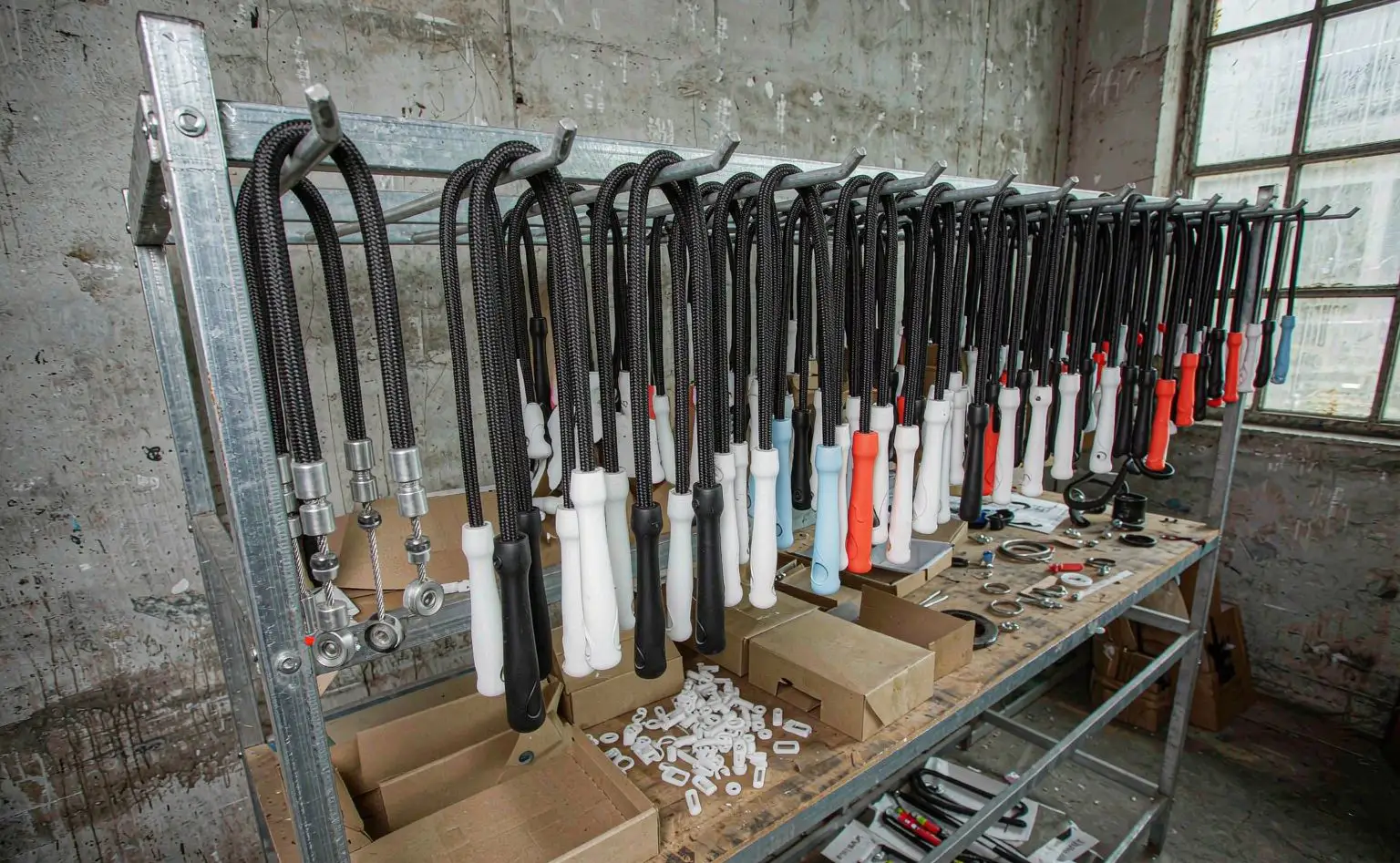
1. Mould in the grip texture, and in the card
Take a jump rope apart: TPR or TPE grip, PVC cord, bearing and swivel, adjuster, printed card and blister, outer carton. The bearing does not mould. The grip and the card do.
The grip fails in the texture. A moulded grip carries anti-slip ribs and grooves that collect release agent, hand sweat and packing dust, and a grip is handled constantly through inspection and bagging, so the surface is never dry of oil. Once store humidity rises, the grooves spot, and a cloth only reaches the top of the rib.
The card fails on uptake. Coated or white card takes water quickly, and a card against a grip inside a blister forms several small closed volumes. Made in a wet season and held two months, the bag opens onto spots along the card edge and the inside of the blister while the grip itself looks clean.
The cord is a separate formula. Plasticised PVC carries its own mould risk, but it does not sit against card and it ventilates better, so it fails less often. One rope, two materials, and the dose and stage have to be recorded separately.
2. Antimicrobial in the grip, a sheet behind the card
The table lines up the grip, the cord, the card and the metal parts. Compound is dosed on weight, paper on active matter per sheet, and the two are not convertible.
| Part | Material | Product and level | Stage | Control point |
|---|---|---|---|---|
| Grip | TPR, TPE | iHeir-IPI001 0.8%-1.0% of compound | Mixing, before moulding | Trial the shade first |
| Card, blister | White card, PET | iHeir-D 0.1-0.2g per sheet | Before bagging | Keep the sheet off the print |
| PVC cord | Flexible PVC | Own batch, own level | Extrusion | Recorded apart from the grip |
| Bearing, swivel | Steel, nickel plated | Rust protection only | Assembly | Sheet kept off metal |
One boundary. Antimicrobial in the grip stays in the compound and never reaches the card volume; a sheet behind the card never enters the grip texture.
3. Mixing: IPI001 at 0.8%-1.0%, shade trial on pale parts first
This stage takes iHeir-IPI001 inorganic zinc-ion antimicrobial at 0.8%-1.0% of finished weight. Its active matter is an inorganic zinc-ion compound: white powder, whiteness above 90, zinc ion and carrier at 99% or more, D90 under 3μm, bulk density 1.8-2.4 g/cm³, packed in 10kg units.
Where. Into the mixing stage with the TPR pellets, process oil and masterbatch, blended before pelletising or moulding. Do not sprinkle powder into the hopper: an inorganic powder and rubber pellets differ too much in size, so they separate as they feed and the first shots run richer than the last. A mould test that happens to sample the rich shots passes, and production then fails.
Colour stability is the strength of this grade. IPI001 works by controlled release of metal ions and resists discolouration both during mixing and over time, which suits pale and clear parts. Grips are usually coloured, though, so run one set at 0.8% and one at 1.0% and compare each against an unfilled control under standard light before releasing.
How much. Run both levels, measure hardness, tensile and abrasion, and run the antimicrobial rate to ISO 22196; a soft TPR grip stiffens with overdose, so a handle in the hand still tells you more than a data sheet. Above thirty percent regrind, take the upper figure.
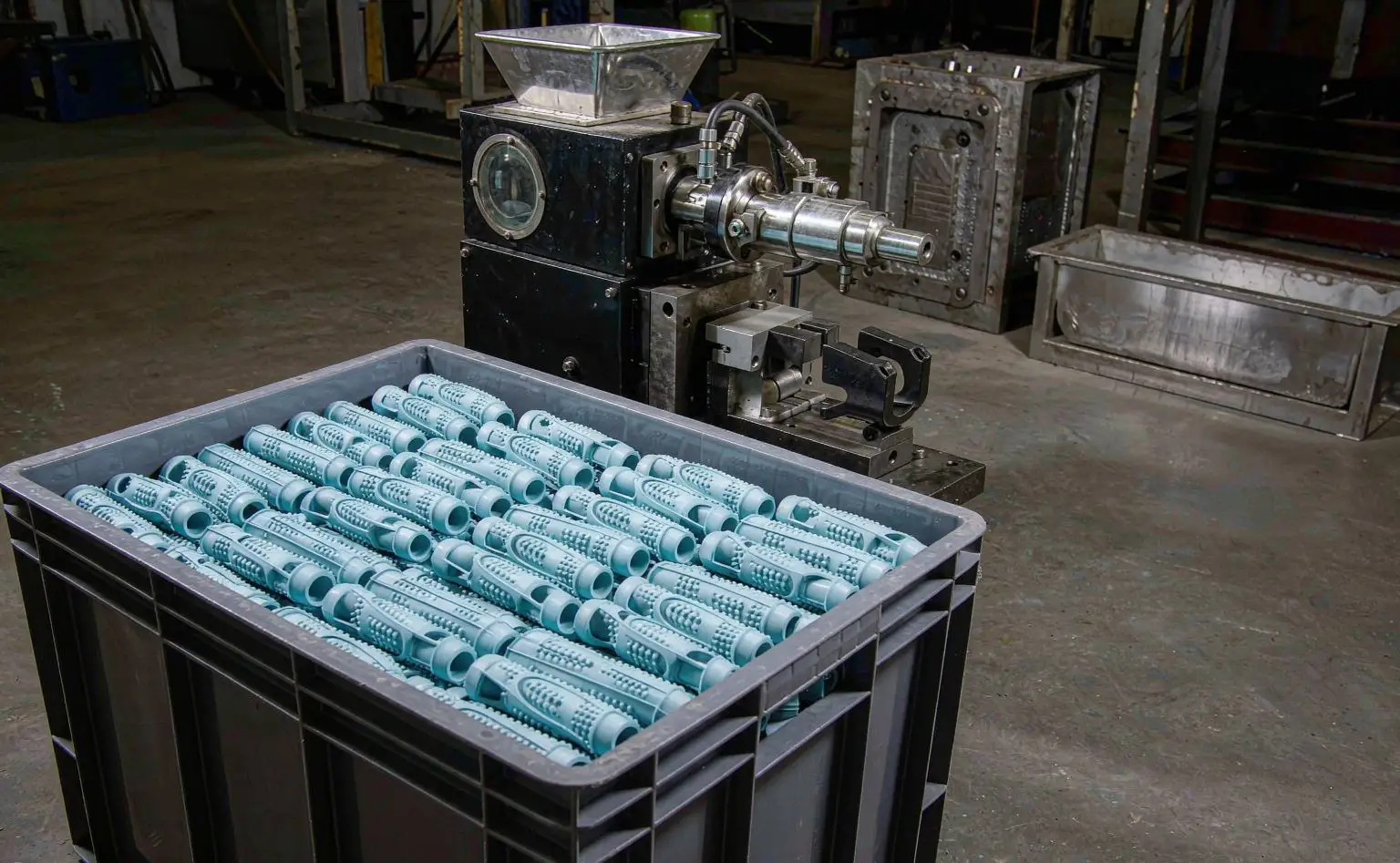
4. The cord and the assembly line
The PVC cord is a separate formula: flexible PVC with plasticiser, extruded. Its anti-mould level is calculated on its own compound weight and is not the grip’s percentage, so keep two records and two weighings rather than merging them for convenience.
Assembly is a hand operation. Grips are fitted to cords, bearings pressed in and adjusters clipped on, all by hand, so the grip is handled repeatedly and carries oil and sweat. Issue gloves at the bench, bag finished ropes within the shift, and dehumidify the open area to below 60% RH.
Inspection adds contact. Ropes are bagged, opened and rebagged through final inspection, which is contamination by repetition. Return inspected ropes to their own bin instead of mixing them back with uninspected stock.
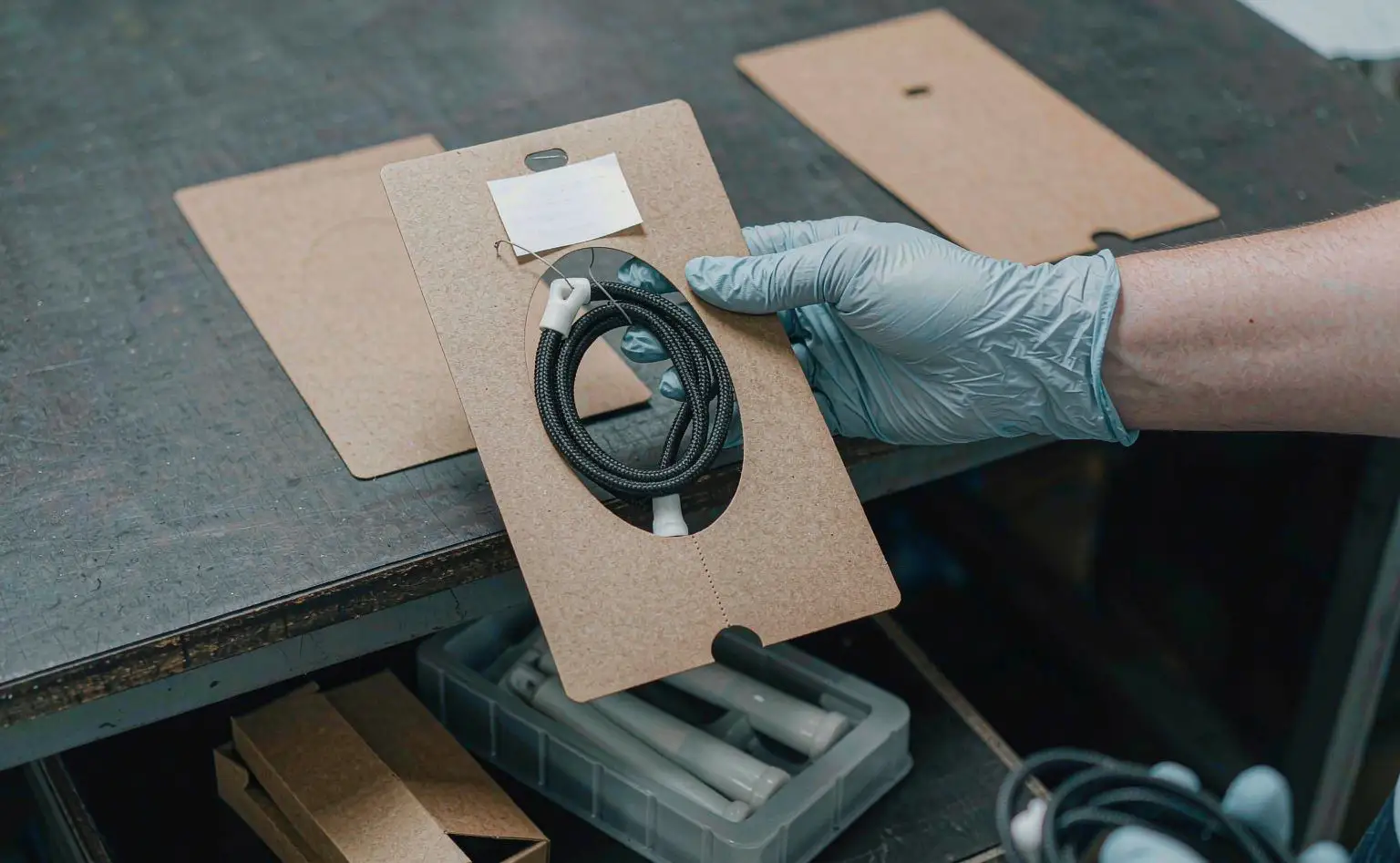
5. Card packing, cartoning and export
The paper stage uses iHeir-D gas-phase anti-mould paper at 0.1-0.2g of active matter per sheet. On a single rope on a card, stick one sheet to the back on the grip side; for multi-unit cartons, one against the wall plus sheets between layers.
Placement matters. Keep the sheet on the back of the card, not on the printed face: the vapour settles downwards, so the grip side covers more evenly, and the front stays clean for the retailer. Bag and seal the same day, because the less air exchange inside the bag the steadier the result.
Compatibility trial. Cards are usually spot-colour printed and the blister is clear PET. Seal three times the normal dose with a finished rope, mist a little water, separate the sheet from the card with paper, and inspect after a few days for faded print and a hazy blister. iHeir-D carries 70%±5 solids and can fade poor dyes, so spot-colour cards get a small trial first.
Storage and loading: cartons on pallets 10cm off the floor and off the wall, store below 60% RH, and at sea leave an air path with cartons clear of the container wall. Antimicrobial selection for moulded parts is covered in masterbatch or powder, and board grading in cartons that mould after shipping.
Release at three levels: grips to ISO 22196 for antimicrobial rate and ASTM G21 for mould, sampling the texture and the end face; cards and blisters to GB/T 24346-2009, sampling the card edge; complete ropes for 30 days at 30℃/85% RH, opening to check the grip texture, the card and the inside of the blister.
6. Questions on cards, colour and the cord
Q: With antimicrobial in the grip, can the card skip the sheet?
No. A damp card passes mould to the grip, and the antimicrobial in the grip never reaches the card; sheets alone leave the spots in the texture.
Q: Will the zinc-ion grade discolour a coloured grip?
It resists discolouration better than most, which is its advantage, but every colour differs, so run 0.8% and 1.0% trials and confirm pale and clear parts separately.
Q: Can the cord use the same antimicrobial?
Yes, but the level and the stage are calculated on its own compound weight; do not copy the grip percentage across.
Q: Can the sheet go on the front of the card?
Not advisable. It spoils the retail face, and since the vapour settles downwards, the back on the grip side covers more evenly.
Four points to take away: blend iHeir-IPI001 into the TPR grip compound at 0.8%-1.0% of weight, with 0.8% and 1.0% trials read for shade, hardness and antimicrobial rate; stick an iHeir-D sheet behind the card at 0.1-0.2g of active matter after a trial at three times the dose; hold the assembly area below 60% RH and bag ropes within the shift, keeping inspected stock apart; seal bags the same day, keep pallets off the floor and leave an air path in the container. A 1kg antimicrobial sample and a pack of sheets go out for a trial first, with MOQ and lead time on the iHeir-IPI001 product page.


