




 View Count:26
 Date:2026-11-05
How should necktie mould be handled? Silk is a protein fibre that feeds a mould, so it spots faster than cotton, and once a spot is in the face the tie cannot be washed out or recoloured, which leaves scrap. Treat the silk in the finishing bath with iHeir-BJ textile mildew inhibitor at 2%-3% o.w.f., and line the gift box with iHeir-D vapour sheets at 0.1-0.2g of active matter each. This article covers the bath, hand feel and the packing.
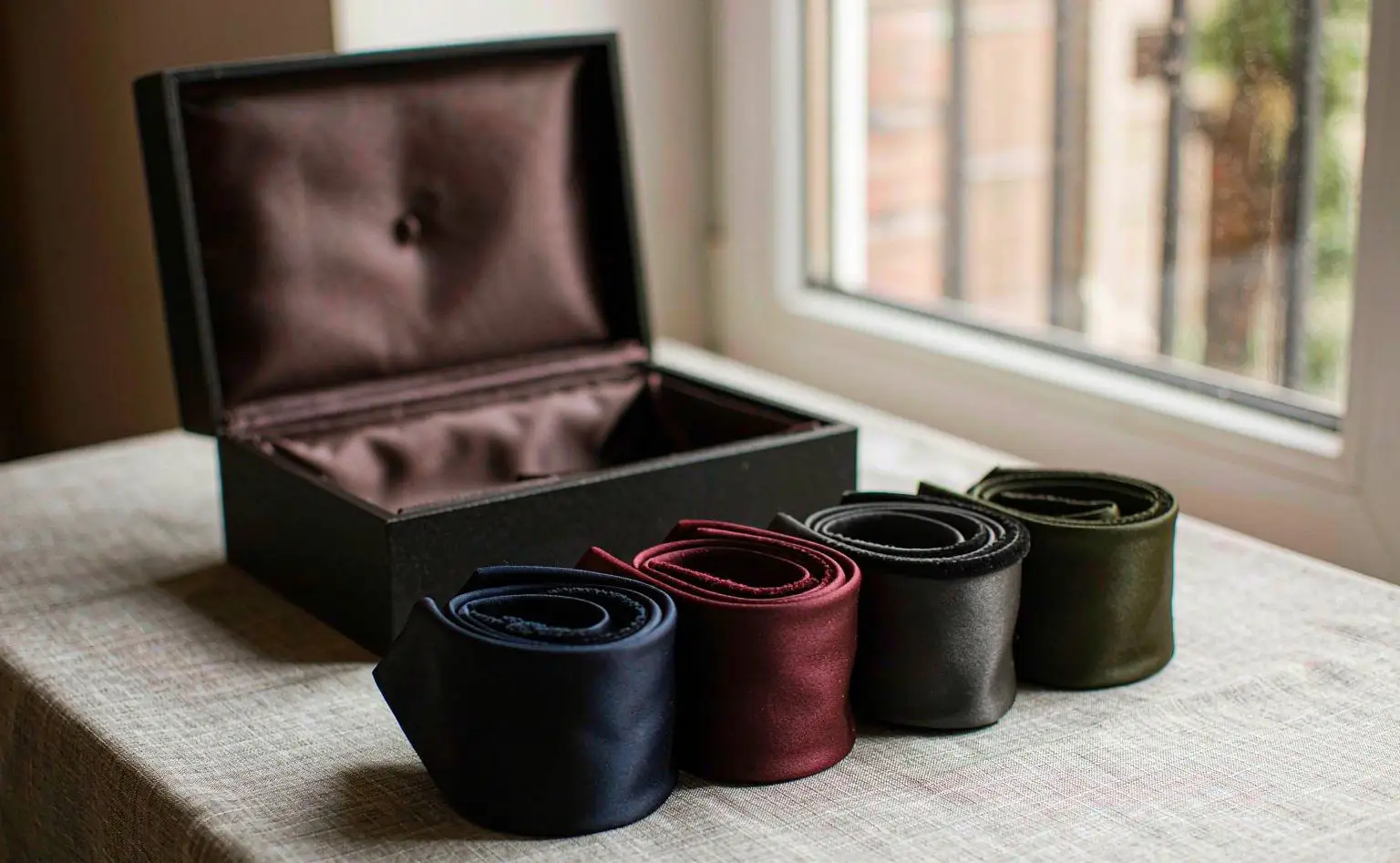
1. Silk is a protein fibre, and the spot will not wash out
Take a silk tie apart: silk face, interlining in polyester-cotton or wool, a wadding layer, hand stitching and label, gift box board and satin liner, foam pad, carton. Metal clips and thread do not mould; the exposure is in the silk face and in the board, satin and foam of the box.
Why silk is worse. Silk is a protein fibre, and its amino acid chain is itself food for a mould, so at the same temperature and humidity it spots faster than cotton. A spot on a dark silk face washes to a pale mark, recolouring leaves a shade difference, and the tie is usually written off.
Where the spots start. A tie is a three-layer structure of face, wadding and interlining, and hand perspiration and size stay between the layers during making. Hung on a rack, the crease at the knot and the pointed tip collect dust, so the spot usually starts in the crease.
The box fails before the tie. Box board takes water, and the satin liner and foam pad are absorbent, so a closed box is a sealed volume with wet material inside. Boxes made in a wet season and stacked in the store mould on the liner first and pass it to the tie.
2. Fabric in the bath, the box lined with paper
The table lines up the face, the interlining, the box liner and the carton. Fabric is dosed on weight of goods, paper on active matter per sheet, and the two are not convertible.
| Part | Material | Product and level | Stage | Control point |
|---|---|---|---|---|
| Silk face | Mulberry silk | iHeir-BJ 2%-3% o.w.f. | Finishing | 21-50℃, pH 4.5-8.5 |
| Interlining, wadding | Polyester-cotton, wadding | iHeir-BJ 2%-3% o.w.f. | Same bath or its own | Wet pickup held at 70% |
| Box liner, layer | Board, satin, foam | iHeir-D 0.1-0.2g per sheet | Before the box closes | Liner cloth between sheet and silk |
| Carton | Corrugated | iHeir-D one sheet on the wall | Before sealing | Trial at three times the dose |
One boundary. The agent in the fabric protects the face, the vapour in the paper protects the space inside the box. Fabric alone leaves the liner to mould, paper alone leaves the crease. Both stages, and the box opens clean.
3. Adding the agent in the silk finishing bath
The silk takes iHeir-BJ textile mildew inhibitor at 2%-3% o.w.f. Choose by protection period: 2% gives a year and more, 3% reaches two to three years, so a domestic season runs at 2% while an export lot with a long boxed shelf life runs at 3%.
Bath conditions. Hold 21-50℃ and pH 4.5-8.5, ideally 6, and use softened water. Silk is sensitive to alkali, and a high pH dulls the face, so set the pH before adding the agent rather than after.
How to add it. Dilute it with 9-13 times its volume of water first, then add slowly. Hold wet pickup at 70%, with steady mangle pressure and line speed, since a 5% drift in pickup is a 5% drift in dose. Silk is thin and creases easily, so open the fabric out after padding instead of letting it stand in a heap at the trough.
Hand feel and shade. A silk tie sells on hand feel and lustre, so after treatment check two things: softness, and whether the shade of a dark face has gone flat. Compare against an untreated sample from the same lot, adjust the softener system if it feels stiff, and keep in mind that iHeir-BJ cannot share a bath with anionic auxiliaries, so an anionic softener runs separately. Blended silk yarn is covered in fabric mould prevention.
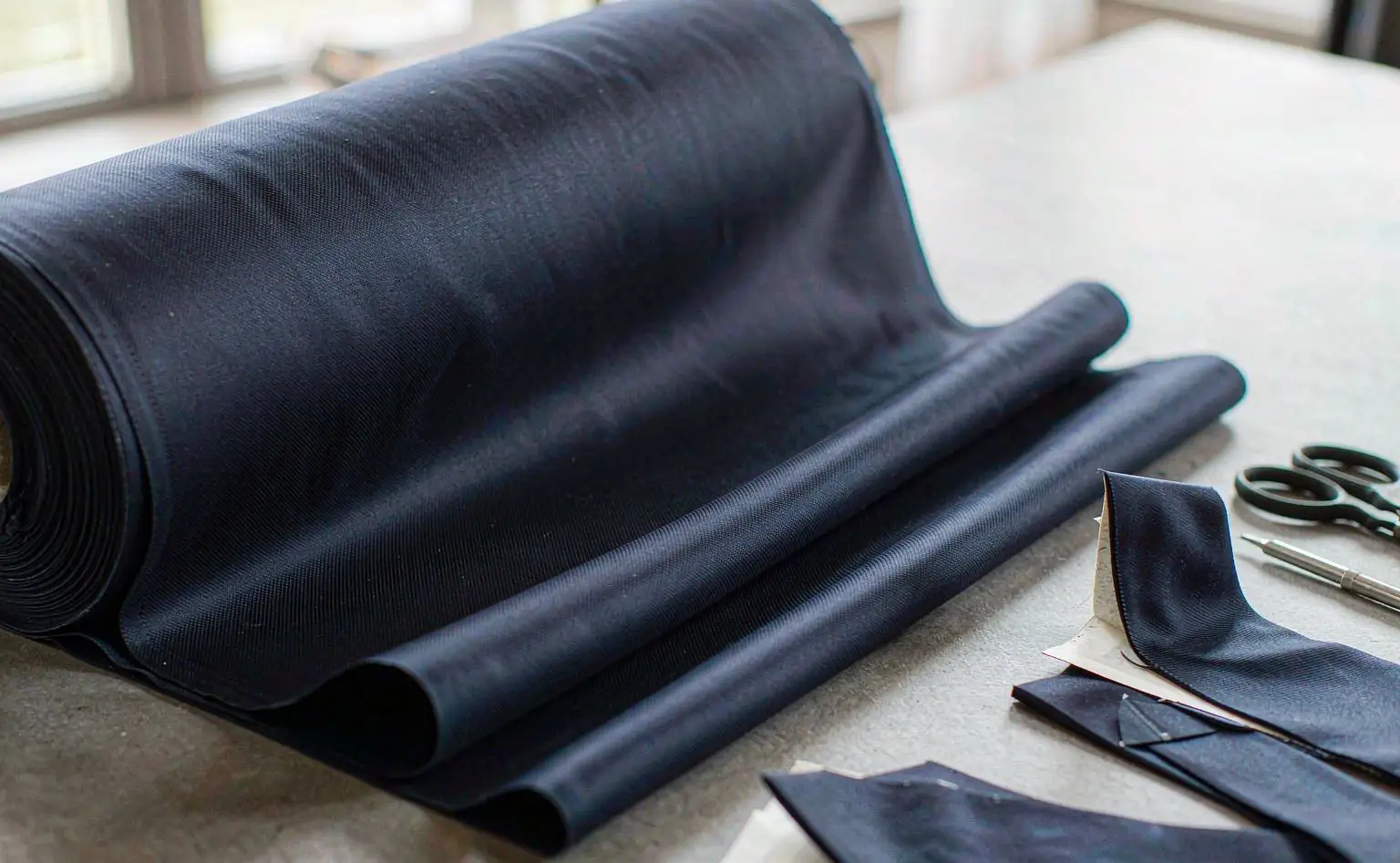
4. Sheeting the gift box, then packing
The box stage uses iHeir-D vapour-phase paper at 0.1-0.2g of active matter per sheet. It is an ink-coated paper that works by releasing into a closed volume, so it only acts once the lid is on; left open it does nothing.
Where. One sheet between the box board and the satin at the bottom, one more inside the lid. Where the box has a foam pad, put the sheet between foam and wall rather than against the silk, and roll the tie in thin tissue before it goes in.
How many sheets. One at the bottom and one in the lid for a single-tie box; for a multi-tie box, one on the wall plus one between layers, taking the upper figure for large boxes, long storage or a sea leg. Keep the liner cloth between the sheet and the silk.
Trial compatibility first. Seal three times the normal dose with a finished tie in its box, mist a little water, separate the paper with satin, and inspect after a few days for a faded dark face, a dulled metal clip or a yellowed white label. iHeir-D carries 70%±5 solids and can corrode poor-quality metal when damp, so clips get the trial first.
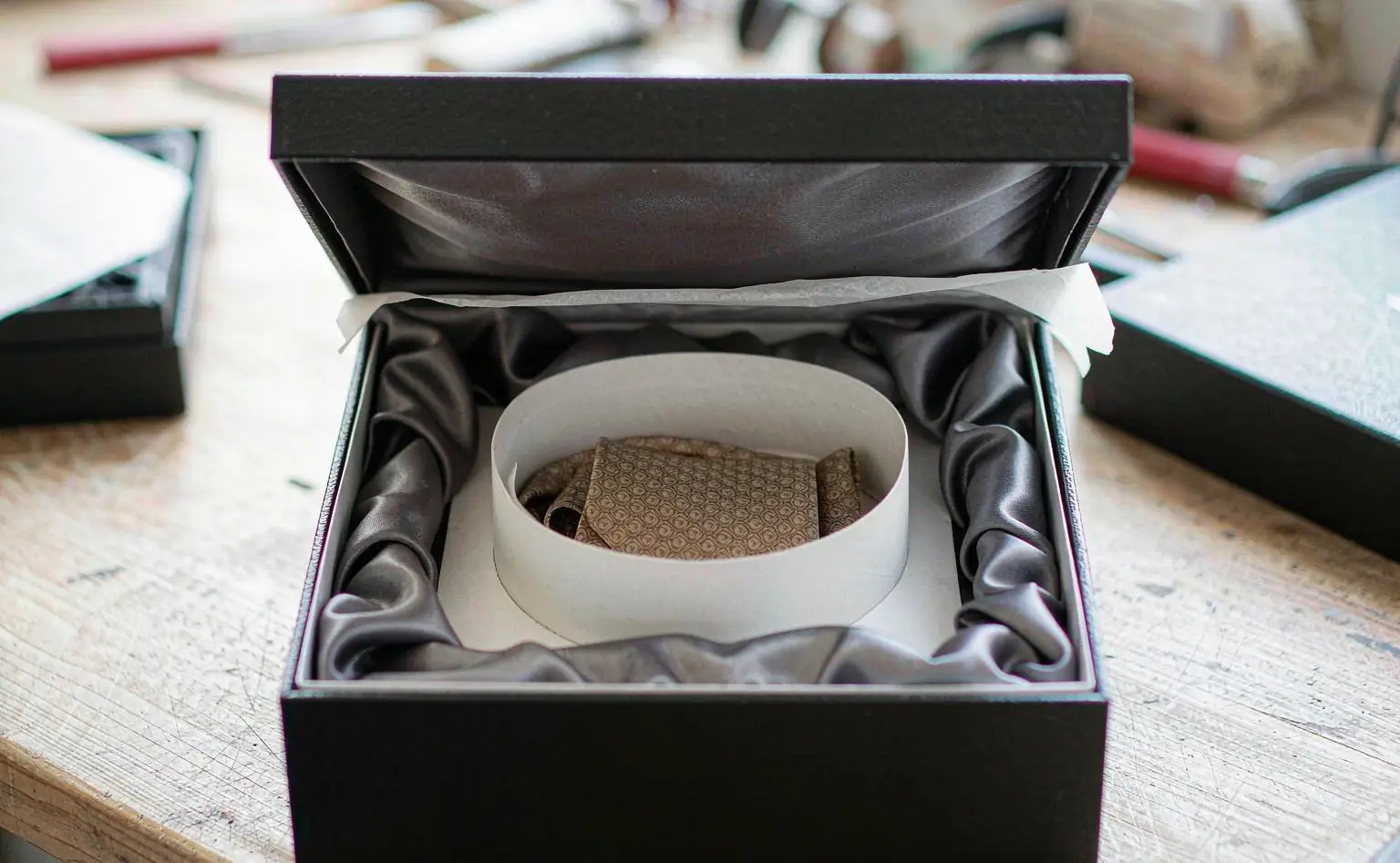
5. Mill audit and release
On the fabric side. Grade to GB/T 24346-2009, sampling the face and the interlining; colour fastness runs as usual, with water spotting and perspiration as the two items to watch after a mould finish, plus rubbing fastness on a dark face. Selection criteria are set out in buying a textile anti-mould agent.
On the finished side. Grade a whole tie to ASTM G21 or ISO 846, sampling the crease and the pointed tip, and grade box board and satin separately to GB/T 24346-2009. Hold a full box for 30 days at 30℃/85% RH, then open it to inspect the liner, the crease and the label.
Paperwork an auditor asks for. The dosing sheet for the bath, pH and temperature logs, wet pickup checks, and the batch number and count of the vapour sheets. The box supplier should provide board moisture content and liner material, because buyers ask what that sheet inside the box is, and not being able to answer is worse than leaving it out.
6. Questions on desiccant, hand feel and white marks
Q: With the fabric treated, can the box just take a desiccant?
Not advised. A desiccant handles water vapour and does nothing about mould on board and satin, and a closed box suits a vapour sheet better. Using both is fine, since each covers a different job.
Q: Will the finish stiffen the silk?
At 2%-3% in a neutral bath at pH 6 the change in hand is small. If it feels stiff, the softener system is usually wrong or the pickup is running high, so run a hand comparison sample before scaling up.
Q: What if a white mark appears on a dark face?
Decide first whether it is a mould spot or size residue. A mould spot cannot be wiped out or recoloured and the tie is scrapped; size residue can be washed back, and after washing the mould finish has to be reapplied.
Q: Does every box need a sheet?
Yes. A vapour sheet is consumed, so the count follows the box volume, and skipping one leaves that stage undone. Boxes held longer than six months get a fresh sheet at packing.
Four points to take away: run the silk at 2%-3% o.w.f. of iHeir-BJ with the bath at 21-50℃, pH 4.5-8.5, softened water and a 9-13 fold dilution first, holding pickup at 70% and splitting anionic auxiliaries; compare hand feel and shade against an untreated sample, watching a dark face for lustre; sheet the box base and lid with iHeir-D at 0.1-0.2g of active matter each, cloth against the silk, after a trial at three times the dose; grade fabric to GB/T 24346-2009 and whole ties to ASTM G21. A 1kg sample and a pack of sheets go out for a trial, with MOQ and lead time on the iHeir-BJ product page.


