




 View Count:6
 Date:2026-09-16
Black patches on mixed compound or on cured parts are usually blamed on mould within a minute. In practice three different things look alike, and misjudging one of them either sends good compound back to the mill or spends money on the wrong additive.
1. Tell mildew from sulphur bloom and from ageing
Mildew spreads in spots and threads with irregular edges, running from grey white to black green. It shows up first on cut ends, mating faces, the inside of wrapping film and pallet contact faces, because those are the stalled-air zones where moisture lingers. A swab of ethanol lifts a coloured smear and leaves the rubber underneath intact. Above 75% relative humidity and between 25 and 35 degrees, natural rubber, reclaimed rubber and compounds carrying ester plasticisers are the first to go.
Bloom is white and evenly distributed across the surface and the cut face, and it comes back a few days after you wipe it off. Sulphur, accelerators, antidegradants, paraffin and stearic acid migrate out once they pass their solubility limit. This is a formulation problem, not a biological one, and no anti-mould agent will touch it.
Ageing bleaches and yellows a surface the same way, driven by long storage, ozone attack or excessive milling temperature.
The test is simple: wipe a sample with ethanol or a cleaner and watch what happens. A smear that lifts off with the substrate intact means surface contamination, which can be reworked. A smear that will not lift, or a surface that has gone tacky or crazed, means the part is downgraded or scrapped. Put that wipe in front of the team before any claim meeting and half the argument disappears.
2. Three entry requirements before any agent goes into rubber
Rubber does not feed mould. The food is in the recipe: ester plasticisers, pine tar and vegetable oils, organic residues in reclaimed rubber, proteins in natural rubber and water adsorbed on the silica surface. The only durable fix is to put the active substance into the compound at the mixing stage, so it stays inside the crosslinked network. Spraying a finished part only coats the skin, and calendering, curing, trimming and washing all strip that skin away.
Rubber is fussier than plastics, though. Not every anti-mould agent can be tipped into a mixer. Screen the incoming product against these four lines first.
| Requirement | What it means | If it fails | How to check |
|---|---|---|---|
| Cure temperature resistance | No decomposition or loss between 140 and 180 degrees | The agent burns off in the press and the part ships unprotected | Thermogravimetric check plus post-cure content assay |
| No bloom or migration | Compatible with the rubber, stays put | White haze on the surface, rejected at final inspection | Accelerated storage for 14 days, inspect surface and cut face |
| No cure interference | Does not slow, advance or dilute crosslinking | Longer t90 cuts output, or scorch kills the batch | Side by side cure curves with and without the agent |
| System compatibility | Peroxide-cured recipes must avoid amine and sulphur bearing additives | Radical crosslinking is disrupted and cure state drops | Recipe review plus crosslink density measurement |
The third line is the one most often skipped. Trials usually chase the mould result and forget the cure curve, then the pilot run shows t90 stretched by a dozen seconds and the whole line has to be re-timed.
3. Rework and dosage: compound and cured parts take different routes
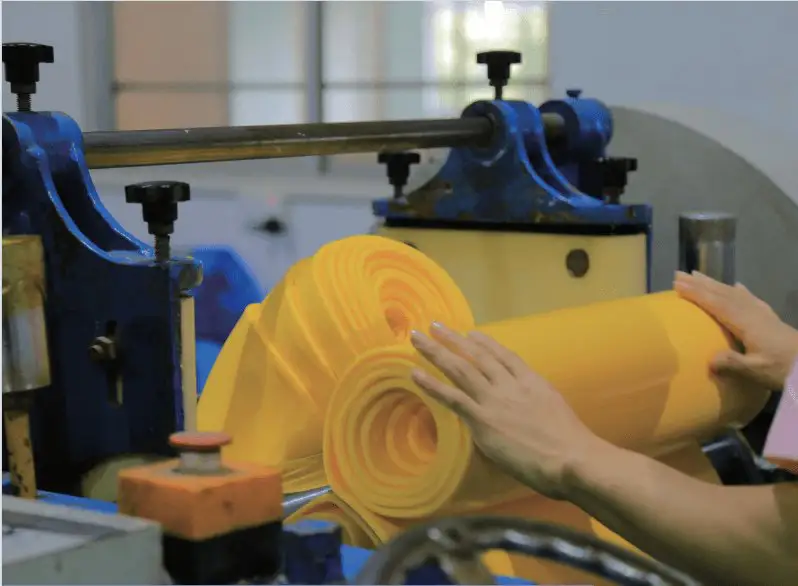
Uncured compound with mildew only on the surface can go back through the open mill at a tight nip, folding the contaminated skin into the body or scraping it off first. Re-milled stock must go through a cure check and a tensile test before it returns to production. Where mildew has gone deep, or the stock smells sour and feels tacky, downgrade it and blend at 10 to 20 percent into good stock, testing a sheet before the ratio goes up.
Cured parts are decided by cosmetic grade. Dark structural parts can be cleaned, dried and reused after a fresh appearance and dimension check. Light, transparent and visible parts with spot mildew usually only qualify for downgrade or scrap, because the colour difference left by cleaning does not survive a customer inspection. Whatever the route, reworked stock needs protection added afterwards, or it comes back in the warehouse.
Pick the dosage by system. iHeir-PSZ104 inorganic antimicrobial agent is dosed at 0.5 to 1.0 percent of total part weight, and can be mixed straight into the compound or pre-made into a masterbatch or dispersion. Adding it in the internal mixer alongside filler, plasticiser and antidegradant is the least disruptive option. iHeir-IPI001 inorganic zinc ion compound carries at least 99 percent zinc ion and active carrier, releases the metal ion slowly enough to resist discolouration in service, and holds up under UV, at 0.8 to 1.0 percent of total part weight, which suits light coloured and outdoor parts. Where both fungal and bacterial protection are needed, iHeir-JS117 anti-mildew powder runs above 97.0 percent active content across PVC, PU, polyolefins, polyester, thermoplastic elastomers and rubber, at 0.5 to 1.0 percent of total part weight, mixed evenly before the usual shaping process.
4. Four properties to re-measure after dosing
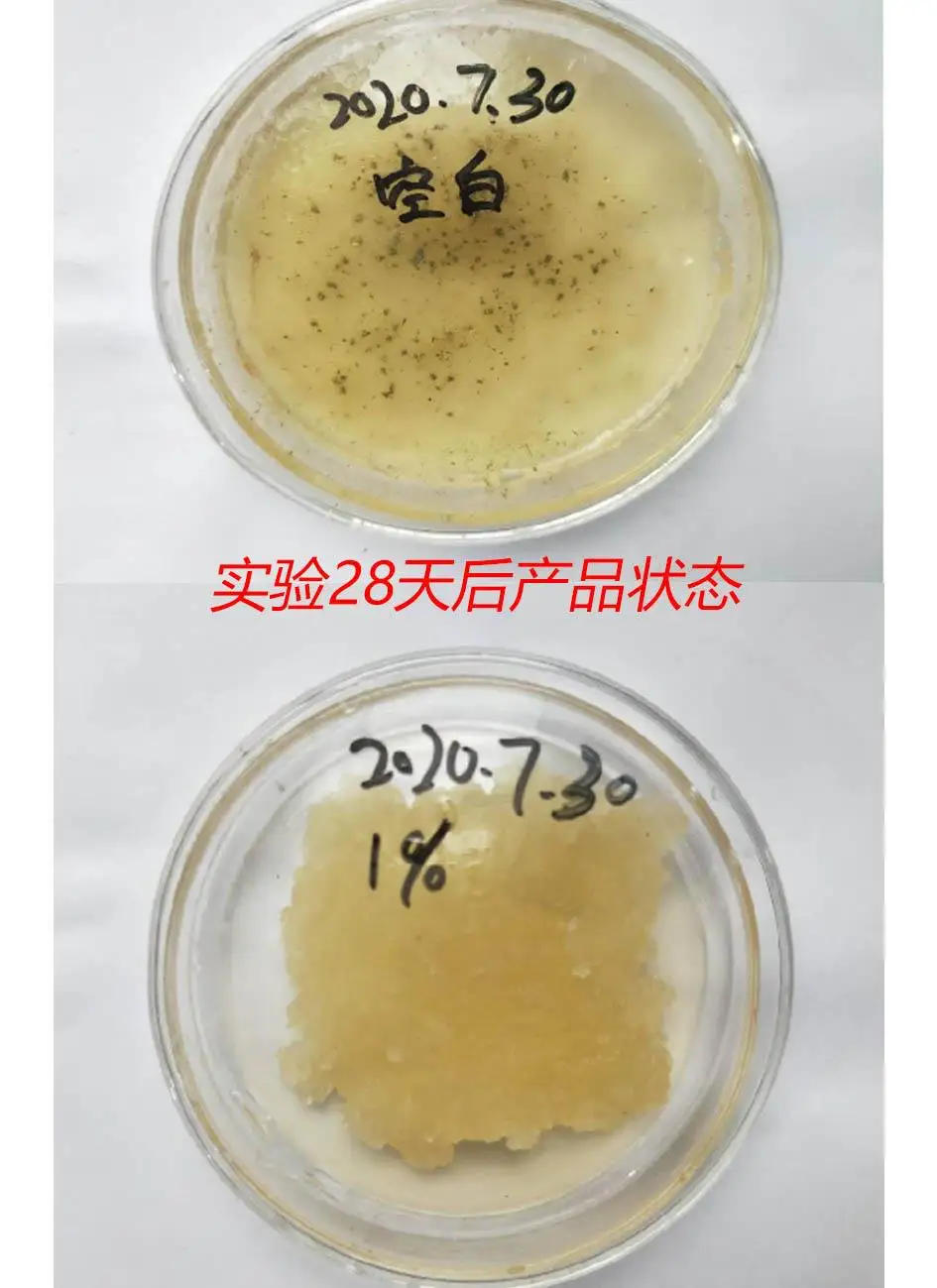
An anti-mould agent is not a pigment. It disperses, it interacts with the cure system, and even at low loadings it changes the compound. Run these four before locking the dosage in.
Cure characteristics means t10 and t90 by oscillating disc or rotorless cure meter to GB/T 16584, together with ML and MH, to see whether crosslinking was slowed or diluted. Shore hardness to GB/T 531.1 should hold within plus or minus 2 degrees. Tensile strength and elongation at break to GB/T 528, watching elongation for a drop. Compression set to GB/T 7759.1 matters for seals, gaskets and pads, because migration to the surface shows up there first.
Run trials in this order: compatibility at top dosage, watching for bloom or discolouration; then cure curve and the four mechanicals; only then accelerated storage. Reverse it and a failed mechanical result voids every earlier round.
5. Proving it: ASTM G21 and ISO 22196
Fungal resistance goes through ASTM G21, which grades growth on the specimen surface, lower being better, with grade 0 or 1 as the usual contract requirement. Bacterial performance goes through ISO 22196, reported as a percentage reduction or log reduction, typically at least 99 percent internally. Rubber surfaces count as non-porous, so both standards apply. They cover different organisms and cannot substitute for each other, and a bacterial test alone will not stop mildew.
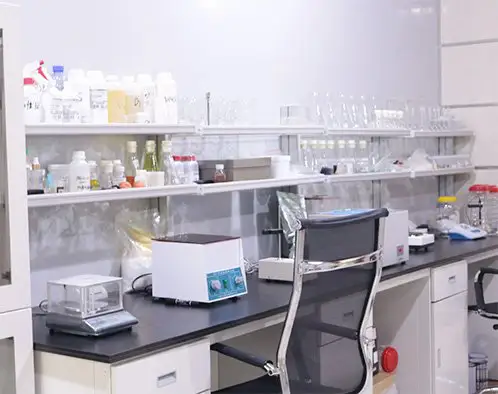
Export orders also want a 28 day accelerated storage record at 30 degrees and 90 percent relative humidity, with dosed and blank samples photographed side by side. That photo plus a third party report settles audits and claims faster than any explanation. For the formulation side of the same subject, see our rubber anti-mould formulation notes for EPDM, NBR and reclaimed stock.
6. FAQ
Q: Will the anti-mould agent slow down curing?
Not if it is selected properly. Compare cure curves with and without the agent on the same recipe and check t10 and t90 stay inside the process window. Amine and sulphur bearing additives should be avoided in peroxide cured recipes.
Q: Can mildew contaminated compound be re-milled and used?
Surface mildew with no sour smell or tack can be scraped and re-milled, but a cure check and tensile test are mandatory. Deep contamination is downgraded and blended at 10 to 20 percent, with a trial sheet first.
Q: Can the agent be added after curing?
No. Once the rubber is crosslinked the active substance cannot enter the body, it only sits on the skin, and calendering, trimming and washing remove it. The dosing point is the mixing stage.
Q: Do NR and EPDM take the same dosage?
They can start from the same figure but must be fixed by trial. NR carries proteins that feed mould and reclaimed stock adds its own residues, so the middle to upper part of the range is usual. EPDM weathers well and can sit at the midpoint. See our rubber anti-mould selection guide and run a sample before scaling up.
Send us your compound system and cure method and we will propose a sample test plan before any volume commitment. Contact us.