




 View Count:46
 Date:2026-11-02
Why do yoga blocks take mould when EVA itself absorbs no water? EVA is closed-cell foam, so water never enters the cells; mould grows on the surface instead, in the grip grooves that hold sweat and hand oil, in the print recess and in condensation inside the packing film. The foam takes iHeir-FP foam antimicrobial at 0.5%-1.5% of foam weight, and the liner takes iHeir-D gas-phase paper at 0.1-0.2g of active matter per sheet. This article covers where each goes, the dose band and the packing.
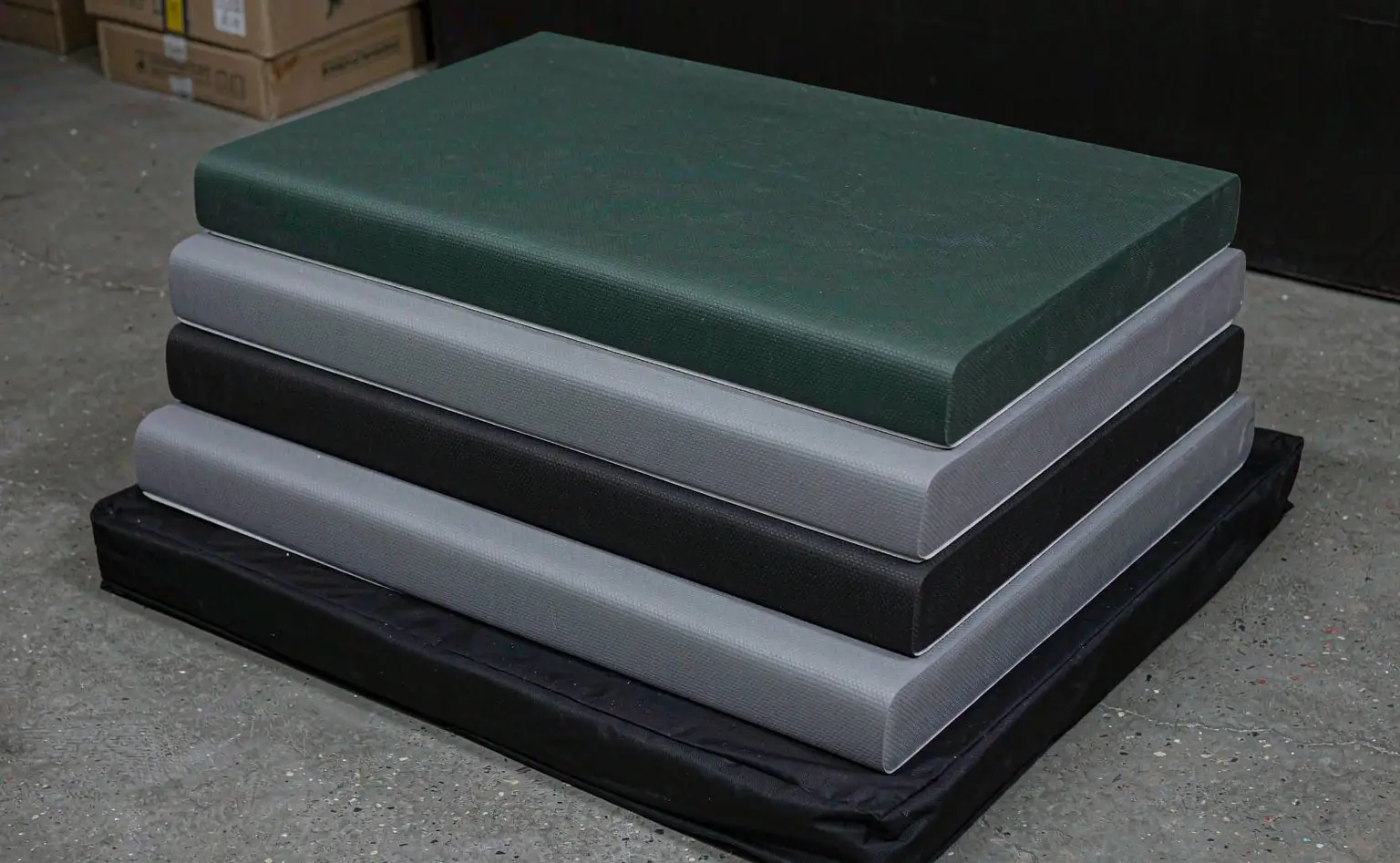
1. Mould sits on the texture and under the film, not in the block
The build is simple: an EVA bun cut to size, grip texture pressed into the faces, a screen or heat-transfer logo, a film sleeve per block, a carton. EVA is closed cell, the cells do not interconnect, and water cannot enter the material, so mould never grows from the inside out the way it does in open-cell PU.
The surface is the only way in. The grip pattern is a set of grooves that collect hand sweat, dust and release residue, and the edge of a screen or transfer print collects the same soil. Once storage humidity rises, that soil takes up water and mould spreads from the bottom of the grooves outwards, leaving a mark every time it is wiped until the block is downgraded.
The film makes its own condensation. Blocks sleeved in PE film and stacked in a store or loaded straight into a container collect a fine layer of water on the inside of the film as the temperature swings, and the water sits against the block face, feeding the soil on it. Many complaints photograph as a white bloom the moment the film comes off, and the cause is condensation inside the film rather than the foam.
2. Dosing in the foam or spraying afterwards
The table lines up the compound, the grip face, the film and storage. Dosing in the foam protects the material and the surface as one; a spray afterwards only coats the outside, and the two are not interchangeable.
| Part | Material | Route | Stage | Control point |
|---|---|---|---|---|
| Block foam | EVA, closed cell | iHeir-FP 0.5%-1.5% of foam weight | Foam premix | Added like pigment, mixed through |
| Grip texture | Pressed face | Spray reaches the skin only; not a substitute | After cutting and pressing | A spray clogs the grooves |
| Packing liner | PE film, carton | iHeir-D sheet at 0.1-0.2g each | Sleeving, cartoning | Compatibility trial first |
| Storage and export | Pallet, container | Humidity control, air path | Storage, loading | Store below 60% RH |
One boundary. An antimicrobial in the foam does not excuse the packing, because condensation inside the film is an external condition the additive cannot reach. Nor does good packing save a block whose grip grooves are full of hand oil. Both stages have to run to carry a block through months of storage.
3. Foam: the antimicrobial goes into the premix like pigment
The block takes iHeir-FP foam antimicrobial at 0.5%-1.5% of total foam weight. It is a clear liquid, stable from pH 1 to 11, rated up to 99.99% antibacterial, with an acute oral LD50 above 5000 mg/kg, in 25kg drums.
Where it goes. Straight into the foam premix, added the same way as pigment: blend it with the compound first, then run the normal foaming process. A spray afterwards is not advisable: EVA is closed cell, so the spray stays on the skin while the groove bottoms collect a pool that dries into bright spots and spoils the grip feel.
Banding the dose. Standard colour blocks are covered at 0.5%-0.8%; dark shades, high-regrind recipes and export orders with long storage go to 1.0%-1.5%. Where regrind is high, check its cleanliness first, because oil carried in is food for mould and extra additive only delays the result. The general EVA route is in foam and elastomer antimicrobial selection.
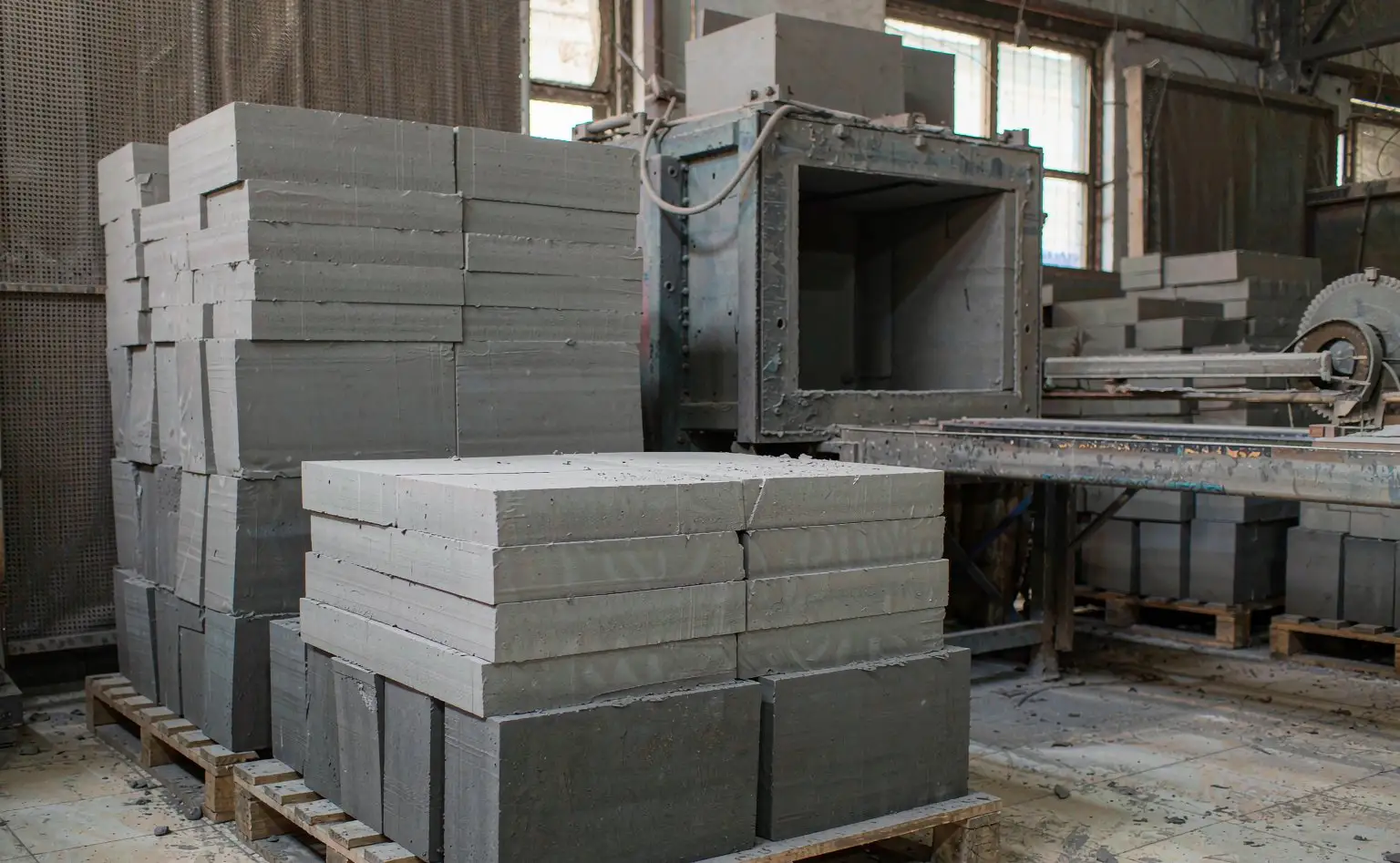
4. Packing liner: where the sheet goes and how many
The packing stage uses iHeir-D gas-phase anti-mould paper, a speciality ink carrying anti-mould particles coated onto paper and sealed in the carton with the blocks, so the vapour reaches the air space and the grip texture. The dose basis is 0.1-0.2g of active matter per sheet, calculated from carton volume and pack count: two sheets for a carton of 6-12 blocks, one on the floor and one in the upper void; export cartons with long storage add sheets along the walls.
Placement. Lay the sheet between the carton floor and the blocks, or press it into the upper air space, and never jam it between blocks where it is crushed; a compressed sheet has less surface to diffuse from. Leave 5-10mm between block and wall so the vapour can circulate.
Compatibility trial. Blocks carry screen print and heat-transfer colour. Put three times the normal dose into the carton under test, mist a little water, separate the sheet from the block face with paper, close the carton and inspect after a few days for fading or a tacky transfer print. Coloured blocks deserve the trial first, because a shade rework costs far more than one test.
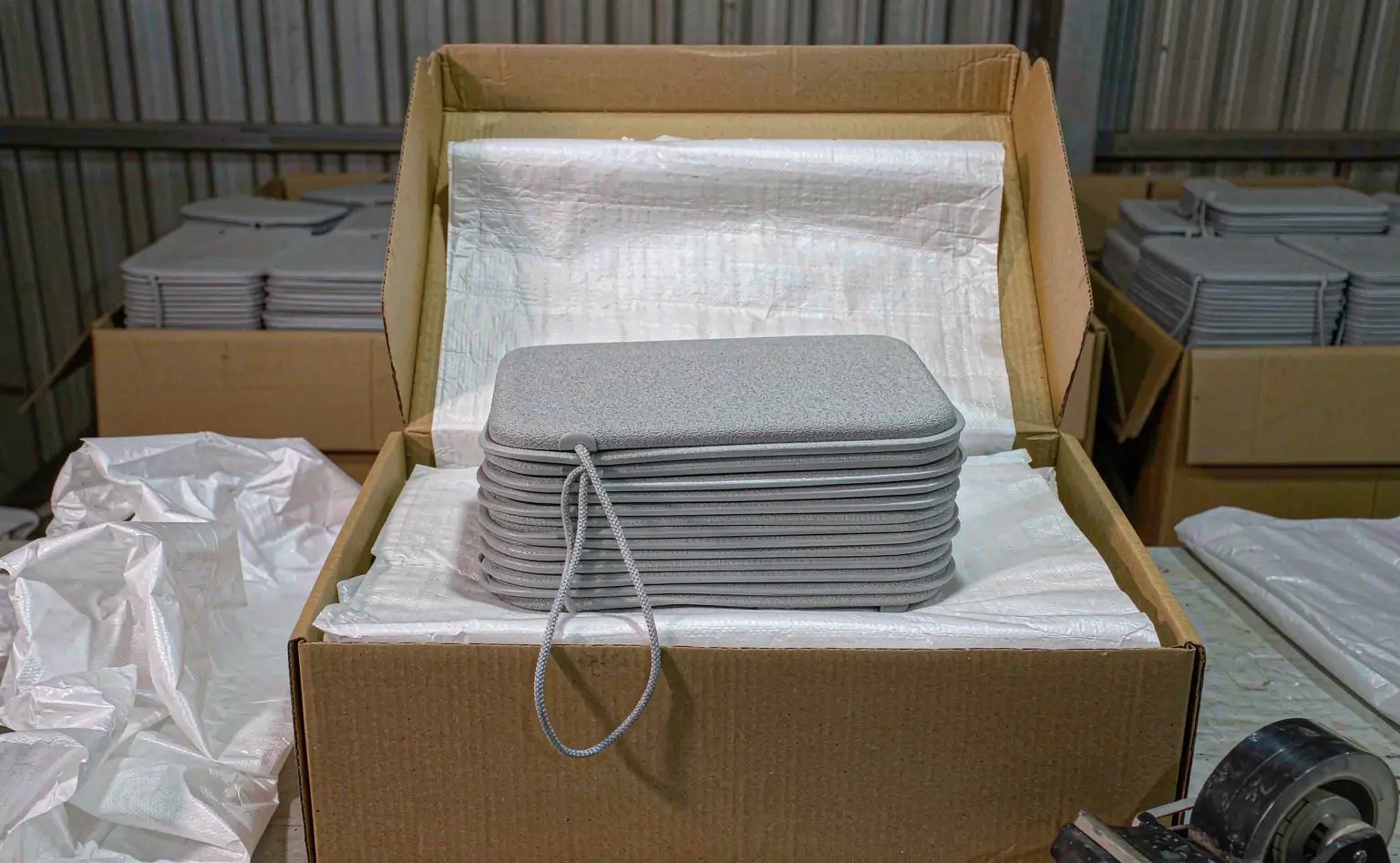
5. Cartoning, storage and export
Two moves carry the risk at cartoning: blocks come off the cutter and go straight into film while still warm and carrying release residue, so the film seals in condensation; and cartons stand on pallets waiting for dispatch and pick up moisture as the store humidity rises. Let blocks cool to room temperature before sleeving, blow or wipe the dust off first, and raise the pallet 10cm.
In storage, hold the room below 60% RH, run dehumidifiers in the wet season, and keep cartons off the wall and off the floor. For a full container, condensation does more damage than shop humidity, so leave an air path and keep cartons off the wall; mixed-cargo loading is covered in mixed-cargo export moisture control and the container route in preventing container rain.
Release at three levels: foam to ISO 22196 for antibacterial rating, sampling one piece from the core and one from the face; the grip surface to ASTM G21 for 28 days; complete cartons for 30 days at 30℃/85% RH, opening to check texture, print and carton walls.
6. Questions on EVA, shade and spotted blocks
Q: EVA absorbs no water, so why add an antimicrobial at all?
Mould does not need the material to absorb water, only soil and damp at the surface. The grip grooves hold hand oil and release residue, and that layer is the substrate, so the additive works on the surface rather than the bulk.
Q: Will the additive change the block colour?
FP is a clear liquid and at 0.5%-1.5% the effect on standard shades is small. Dark and fluorescent shades deserve a trial: split one batch, dose half, leave both 7 days under the same conditions and compare shade before committing.
Q: The blocks have spotted. Can we wipe them and ship?
Surface bloom can be cleaned, dried and given a supplementary surface pass. Blocks that are dark at the bottom of the grooves and marked after wiping are better downgraded, because washing only hides the problem until the container.
Four points to take away: dose the foam with iHeir-FP at 0.5%-1.5% of foam weight in the premix, like pigment, 0.5%-0.8% for standard shades and 1.0%-1.5% on high regrind or long storage; put iHeir-D paper in the carton at 0.1-0.2g of active matter per sheet, two per carton and more along the walls for export, after a trial at three times the dose; cool blocks before sleeving, remove dust and raise the pallet; store below 60% RH and leave an air path in the container. A 1kg sample of each product can go out for a trial first; MOQ and lead time are on the iHeir-FP product page.


