




 View Count:26
 Date:2026-11-14
Can cable tray mould be prevented? Yes, but the growth does not sit on the zinc: it comes out of the paper corners, the timber dunnage and the stretch film inside the bundle, and by the time white patches show at unpacking, white rust and mould have bitten into the coating together. The route is to dry the galvanised lengths before strapping and to put one iHeir-D gas-phase sheet carrying 0.1-0.2 g between each layer. This article gives the drying criteria, sheet placement and container dosing.
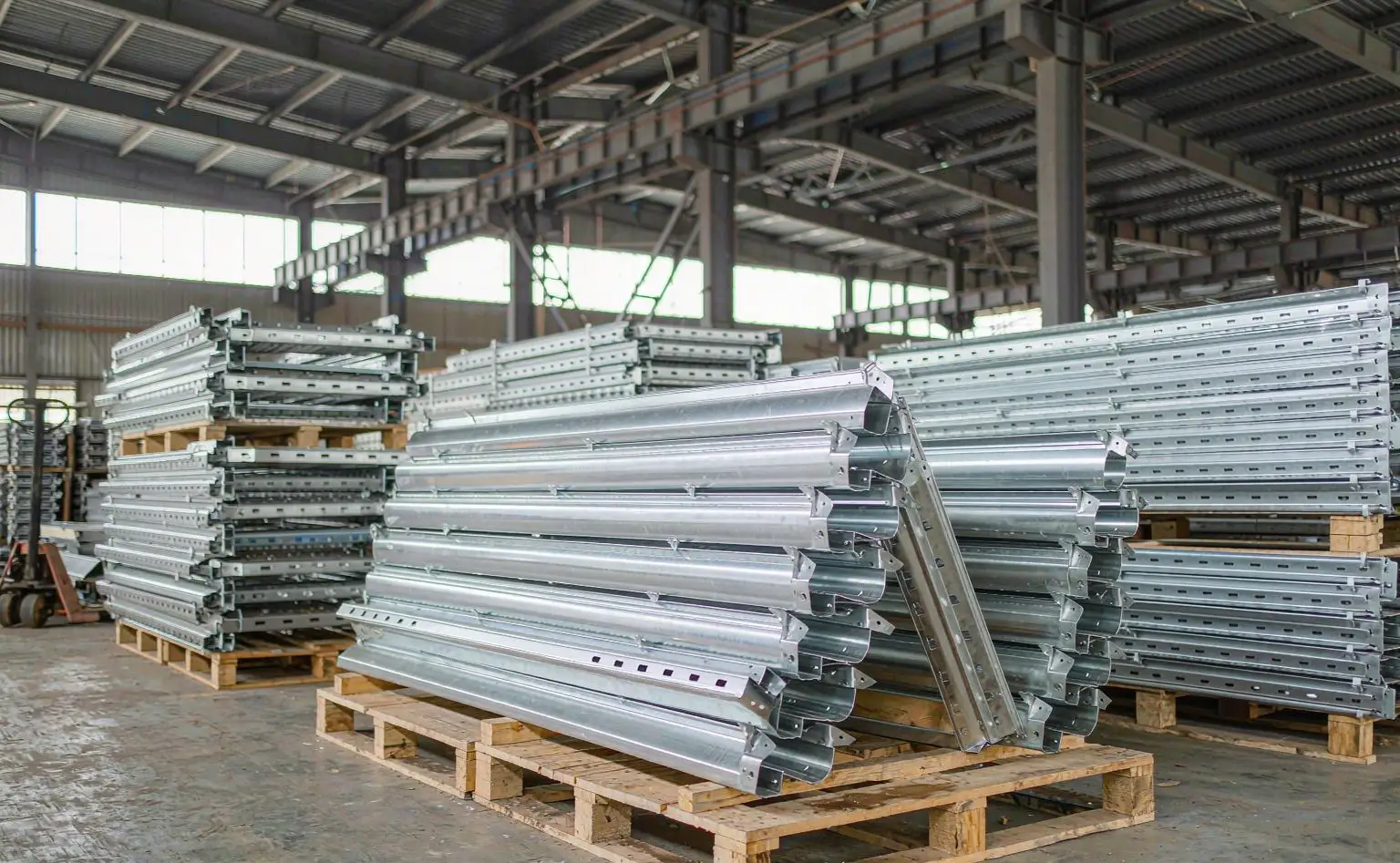
1. The tray does not mould, the soft packing does
Tray is cold-rolled strip, folded and then galvanised or hot-dip coated, and neither the steel nor the zinc feeds a fungus. What moulds is the soft material travelling with the goods: paper corner protectors, honeycomb board, timber pallets and bearers, stretch film.
The corner protector is the first site. End caps are built thick for impact, so the flutes hold air and water. In the humid season a protector can sit above 12% moisture, growth starts on the face touching the zinc, and the print transfers to the tray end where any buyer can photograph it.
The pallet is the second source. Export pallets are heat-treated or fumigated to ISPM 15, but treatment is not drying: 15%-20% moisture is common. Load the goods, wrap them, and that water circulates inside the bundle for the whole voyage.
Separate white rust from mould. Damp zinc forms a white or grey powder of basic zinc carbonate that wipes off dry with a soft edge; mould is filamentous, sits in spots or patches, smears when rubbed and smells. Both often appear together, so grade the lot on the worse of the two.
2. Drying the galvanised lengths: white rust and mould arrive together
Tray leaves passivation and rinse wet. Strap it wet and the water is sealed inside: white rust first, mould after, and 40 days at sea is enough for both.
Temperature and time. Run a 60-80℃ drying tunnel and set the dwell by plate thickness and line speed, so the exit end shows no free water and does not feel cold. Thick plate and the back of stiffeners are the easy misses, because water there runs back along the fold to the face.
What counts as dry. Three checks on the floor: no water marks on the surface; a paper strip pressed on for five minutes comes away dry; a logger inside the bundle reads no more than 65%RH two hours after strapping. The first two are by hand, the third is data, and export orders should always run the third.
Bag it straight from the tunnel. Never move it across open yard or park it at the shop door waiting for a truck; one trip outside gives back all the dryness, especially after rain.
| Part | Material | Product and level | Stage | Control point |
|---|---|---|---|---|
| Tray body | Galvanised steel | No additive, control water only | After rinse and passivation | 60-80℃, no free water at exit |
| Between layers | Steel to steel | iHeir-D 0.1-0.2 g per sheet | Strapping | One per layer, off the cut edges |
| Corners and pallet | Corrugated, timber | D one sheet each, inside the corner | Packing | Protector under 12% moisture |
| Container export | 20 ft / 40 ft | T-1000 8-10 / 10-12 sticks | Loading | Hang at the door, clear of long lengths |
One boundary. The vapour sheet works on the closed space inside the bundle and only while packed; the desiccant works on the container air. Tray cannot be soaked the way timber can, so the whole job is drying and sealing.
3. Where the sheets go: placement matters more than count
A vapour-phase sheet works by slow release into a closed space, and the wrong position is the same as none. Tray is a long, tightly strapped bundle, and the middle is where sheets get crushed.
One per layer, spaced along the length. On 3 m and 6 m tray, place a sheet every 1.2-1.5 m, one 0.1-0.2 g sheet per point; on lengths under a metre, one at each end. Judge by the air volume and how well the bundle is sealed, not by steel weight.
Which layer. Between steel and steel, inside the corner protector, and between the pallet and the bottom tray, one each. Do not only tuck sheets at the two ends: the ends ventilate, and the middle is where moisture collects.
Keep it off cut edges and threads. Sheared edges and connection holes are bare steel with no zinc. iHeir-D can corrode poor-quality metal in damp conditions, so never press the sheet onto a cut edge; interleave a neutral paper or a PE film.
How many per bundle. A 6 m bundle normally takes 4-6 sheets, more when the stack is high or the wrap is tight. Count per bundle rather than per length, and write it on the packing instruction.
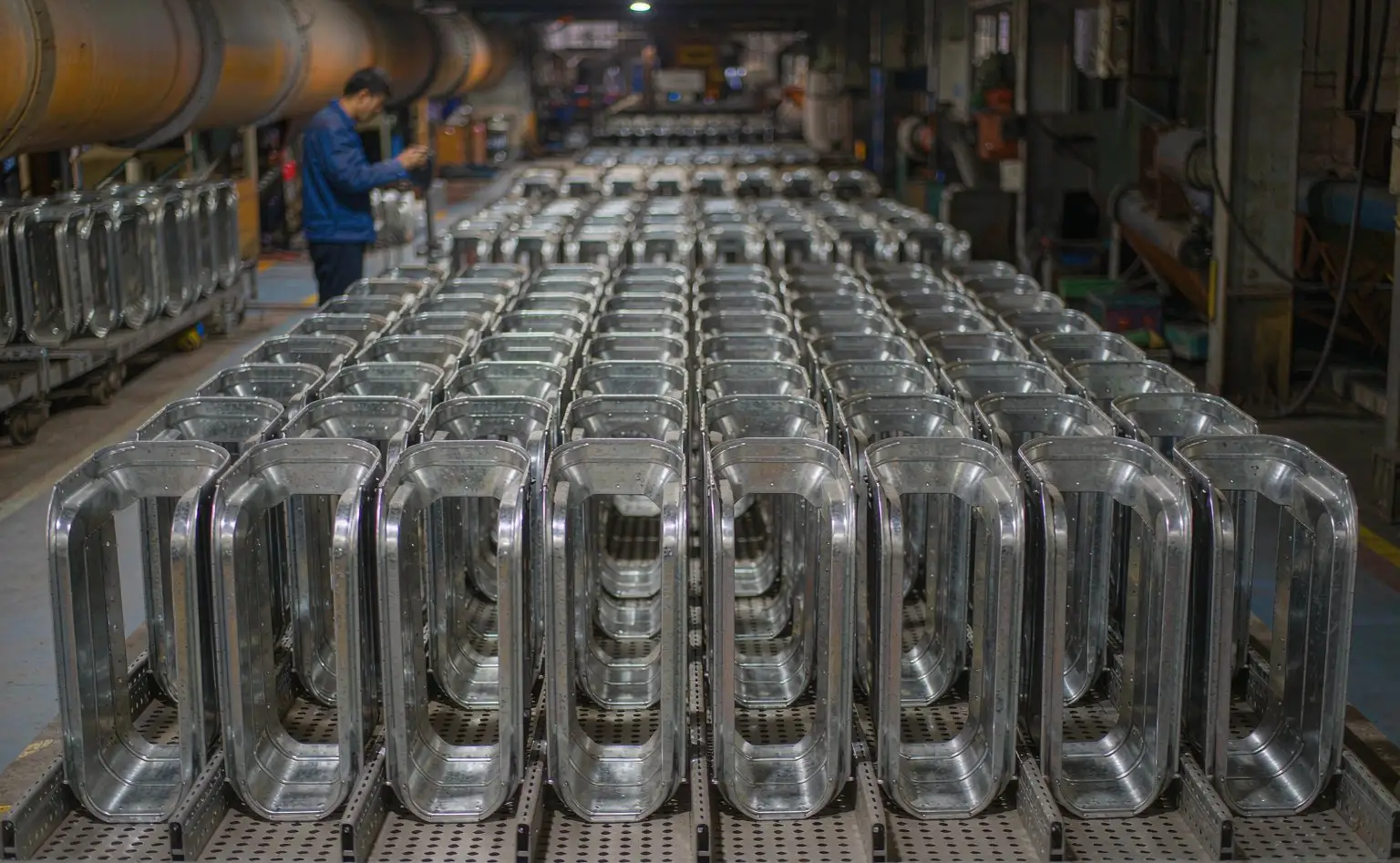
4. Prove compatibility at three times the dose
Metal and a vapour-phase sheet share a closed space, so the first question is whether the zinc changes colour. The test costs little and stops a container coming back.
Method. Take three short offcuts from the same batch, seal them in a PE bag with iHeir-D at three times the normal dose, and hold at 40℃ and 90%RH for seven days. Then look for dulling, white spotting, fingerprint-like marks and rust in the connection holes.
Reading the result. If colour matches the control and the holes are clean, run the normal dose. If there is slight dulling, move the sheet outside the corner protector so it no longer touches bare steel. If rust appears, keep the sheets with the paper and timber packing only, not in the same bag as the steel.
Keep a control. Store one set with the shipment so a claim can be answered with a comparison rather than an explanation.
5. Container and store: sticks in the box, no open yard
Follow the stick standard. 8-10 sticks in a 20 ft container and 10-12 in a 40 ft, hung high inside the doors and clear of the ends of long lengths; on a container loaded to the roof, hang them in a gap amidships. Never crushed, never against the wall.
Control the store. Hold the warehouse below 60%RH, keep pallets 10 cm off the floor and 30 cm off the wall. Open or half-open yards are the worst case: sun by day, dew at night, water inside the wrap, and spots within a week.
Sample before loading. Open two bundles and look inside the corner protectors and at the middle lengths for white patches and smell; if in doubt, rewrap rather than hope.
The same dry-then-box logic with sheets and sticks inside is set out in cable sheath compound and insulation layer and fastener carton liner and drying rods.
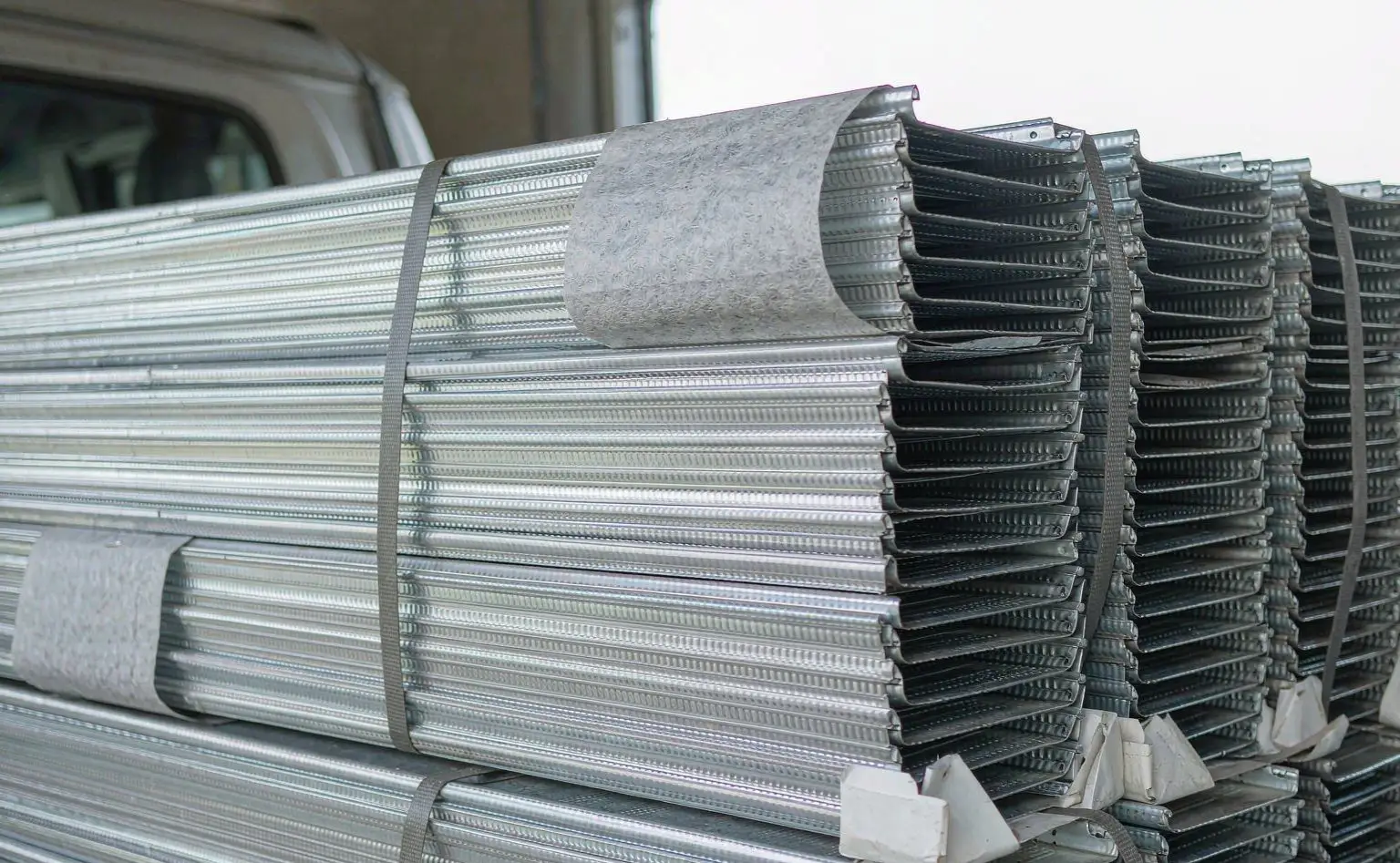
6. Questions from the line
Q: The tray is metal, why put sheets in at all?
A: The growth is in the paper corners and timber, and it stains the zinc, so white rust and mould arrive together and the claim is hard to answer.
Q: How dry is dry enough?
A: No free water, a paper strip that stays dry after five minutes, and for export no more than 65%RH inside the bundle two hours after strapping.
Q: How long does one sheet last?
A: In a well-sealed bundle the release covers 3-6 months, which carries 40 days at sea plus clearance and storage when one sheet per layer is used.
Q: Will the sheet darken the zinc?
A: Not at the normal dose, but thin coatings and bare cut edges are sensitive. Run the seven-day bag test at three times the dose and move the sheet outside the corner if colour shifts.
Four closing points: run the galvanised lengths through a 60-80℃ tunnel until the exit end shows no free water and a paper strip stays dry, and hold the bundle under 65%RH two hours after strapping before release; place iHeir-D every 1.2-1.5 m at 0.1-0.2 g per sheet, between layers, inside the corner protectors and above and below the pallet, never on cut edges or connection holes; hang 8-10 T-1000 sticks in a 20 ft and 10-12 in a 40 ft container while holding the store below 60%RH and keeping the goods out of the yard; verify mould resistance to ASTM G21 or ISO 846, with a one-kilogram sample available ahead of the order and lead times on the iHeir-D product page.


