




 View Count:44
 Date:2026-11-02
Why does stationery mould need two routes, and why is mould on a paper book unlike mould on a pen barrel? A paper book absorbs moisture, so mould starts at the cut edge and the glue line; a plastic barrel absorbs nothing, so mould grows on surface oil, in print recesses and along the assembly gap. Paper books take an iHeir-D gas-phase anti-mould sheet at 0.1-0.2g of active matter each, and pen barrels take iHeir-JS117 at 0.5%-1.0% of compound weight. This article covers where each goes, the doses and the packing.
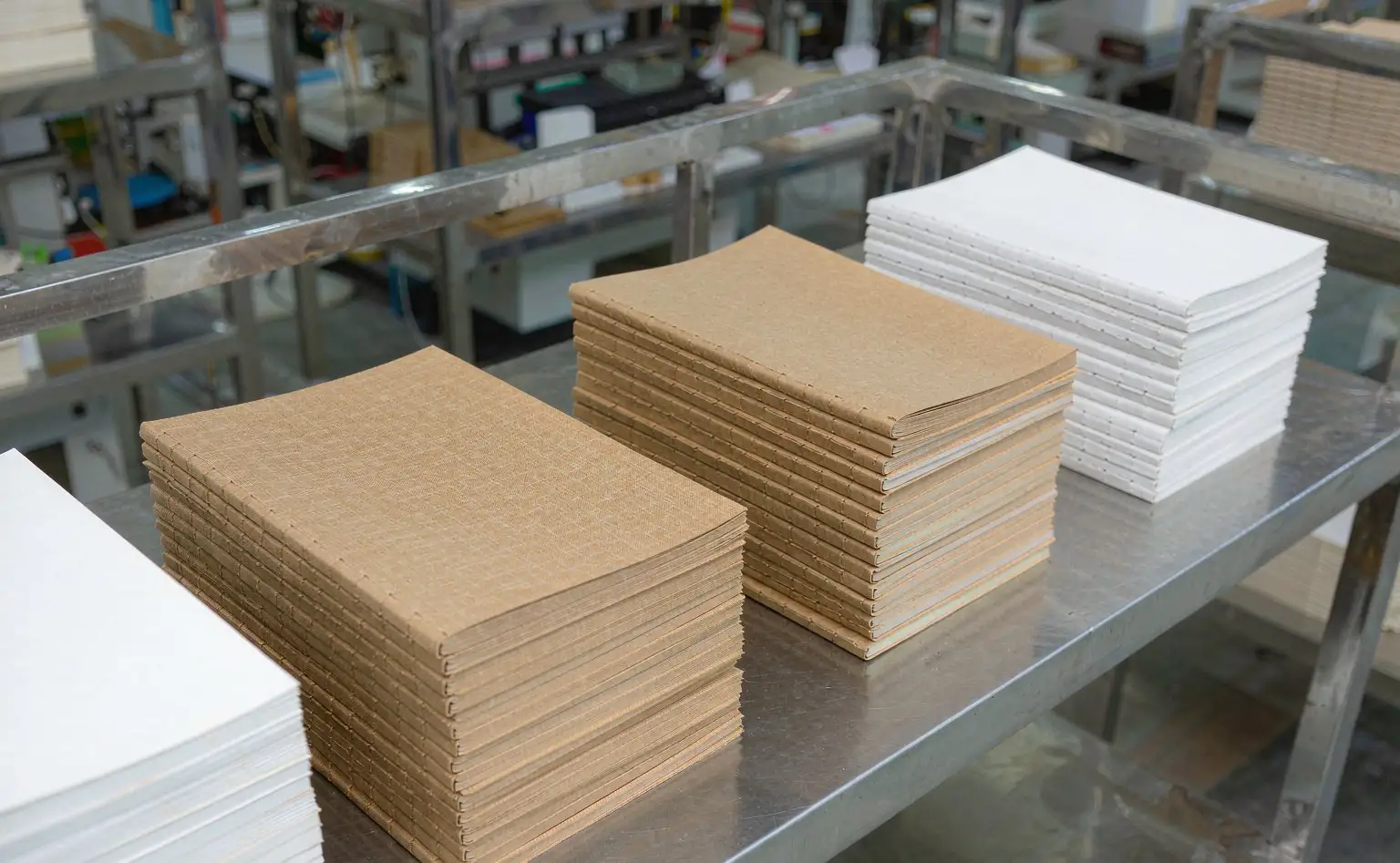
1. Mould starts at the fore edge and on the barrel surface
A stationery set is a mixed build: text paper and cover board, binding adhesive, plastic barrel and cap, metal clip, eraser, printed colour box. Metal and eraser do not mould. The paper parts and the plastic surfaces do.
Paper fails on moisture uptake. Text paper and cover board are fibre materials, and a cut edge exposes the fibre ends, which take water fastest; the fore edge, the binding glue line and the turned-in cover are where mould begins. Made in a wet season and held two or three months in a finished-goods store, the books spot grey-white first, and opening one shows ring-shaped water marks across the pages.
Plastic fails at the surface. A PP or AS barrel absorbs nothing, yet mould grows in the oil, the release residue and the print recess, and the barrel-to-cap gap where dust and water collect is the first place to go. Once store humidity rises, those points spot, and wiping leaves a mark along the print edge.
2. Paper takes the sheet, plastic takes the powder
The table lines up the books, the barrels, the metal clip and the carton. Paper is dosed as active matter per sheet, plastic on compound weight, and the two are not convertible.
| Part | Material | Product and level | Stage | Control point |
|---|---|---|---|---|
| Paper books | Text paper, cover board | iHeir-D sheet at 0.1-0.2g per sheet | After binding, before bagging | Compatibility trial first |
| Barrels and caps | PP, AS and similar | iHeir-JS117 0.5%-1.0% of compound | Premix before moulding | Mixed through, no lumps |
| Metal clip | Stainless, plated | Outside this article: rust protection per part | Before assembly | Degreased and dry |
| Colour box and carton | Board, corrugated | Paper per box, humidity control | Boxing, cartoning | Store below 60% RH |
One boundary. A sheet in the paper does not excuse the barrels: mould on a barrel surface and mould in a book are separate problems, and the vapour from the paper never reaches bare plastic. Nor does powder in the barrel compound dry a fore edge. Run both stages so paper and plastic stop dragging each other down.
3. Paper books: the sheet goes at the fore edge, sized to the pack
The paper stage uses iHeir-D gas-phase anti-mould paper, a speciality ink carrying anti-mould particles coated onto paper, sealed with the goods so the vapour reaches the fore edge and the binding line. The dose basis is 0.1-0.2g of active matter per sheet, adjusted for book thickness, pack count and storage time: one sheet for a bagged single copy, and one against each carton wall plus sheets between layers for bulk packs.
Placement. A sheet at the fore edge beats one against the cover, because the fore edge is exposed fibre and takes water fastest. In a bulk carton, sheet the floor and the walls, then add one every 20-30 copies. Keep the sheet off printed covers and foil-stamped faces until the trial below clears them.
The compatibility trial is not optional. Books use dyed board, foil and metal wire. Put three times the normal dose into the bag or box under test, mist a little water, separate the sheet from the cover with paper, close it and inspect after a few days for fading, yellowing or dulled metal. Poor dyes really are faded by the vapour. Packaging selection is covered in carton and printed box anti-mould.
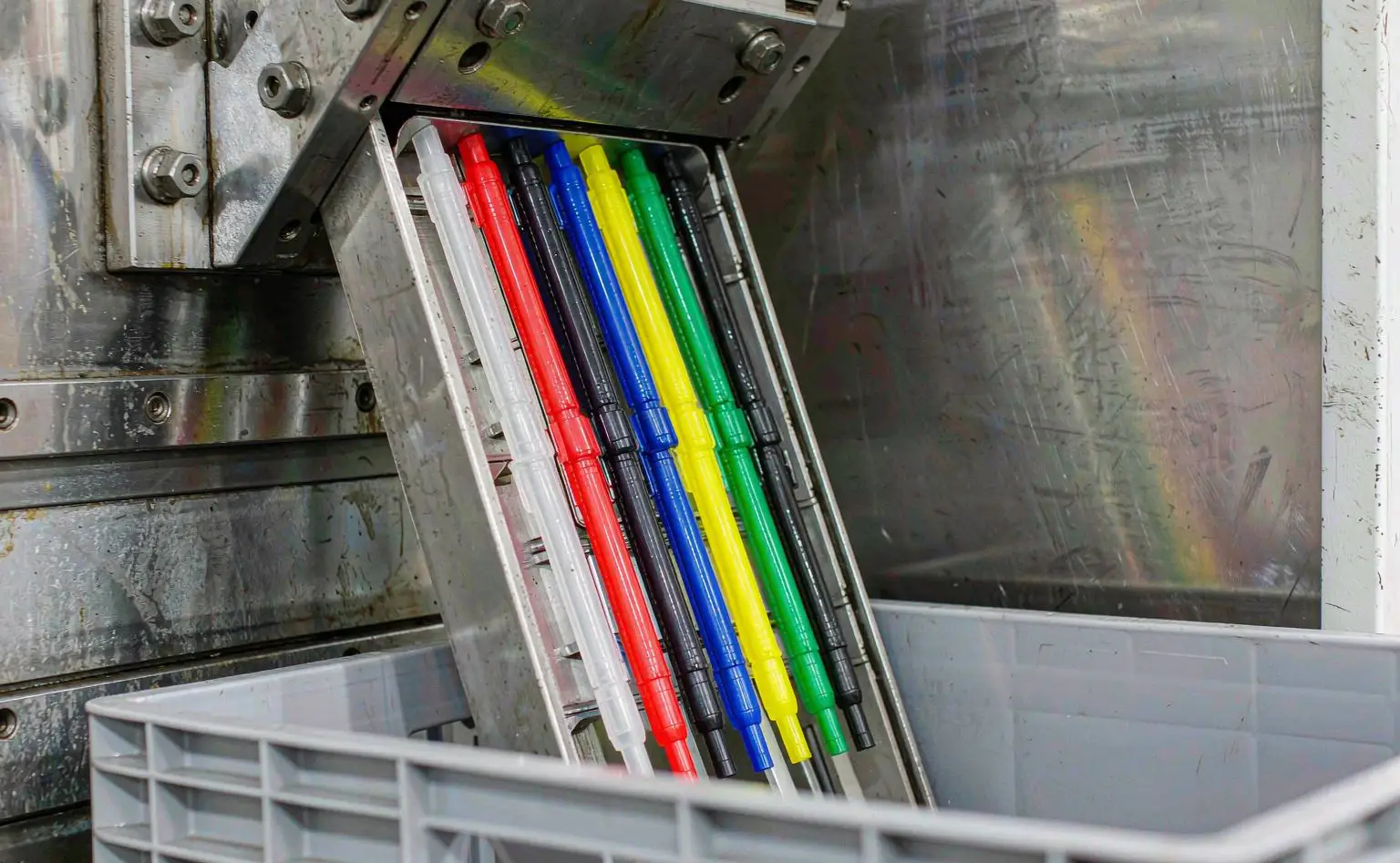
4. Pen barrels: the powder is blended with the resin before moulding
Barrels, caps and clip seats take iHeir-JS117 plastic anti-mould powder at 0.5%-1.0% of finished part weight. It is a nitrogen heterocycle phenol-alcohol compound with more than 97% active matter, a white to pale yellow powder of 380 kg/m³ bulk density and 110μm mean particle size, insoluble in water and leaching-resistant, working by a non-release mechanism that micro-organisms cannot consume into resistance; in 25kg drums.
Where to add it. Blend it thoroughly with the resin and then mould as usual: in-house compounders mix it with resin and pigment in a high-speed mixer, then pelletise or feed the machine directly, and those buying compound have it blended at the pelletising stage. Scooping powder into the hopper by hand is not advisable: at 110μm the particles need shear, and the short residence time in the barrel leaves pale streaks on the surface, most visible on thin-wall barrels.
Three points. First, polymer: JS117 covers polyolefins, polyester, PVC, PU, thermoplastic elastomer and rubber, so PP barrels, the common case, can go straight in at 0.5%-1.0%; styrenics such as AS and ABS deserve a trial for compatibility and shade before a run. Second, clear and pale parts need their own trial for haze and shade. Third, regrind: above thirty percent, go to 1.0% and control the cleanliness of that regrind. The general route for moulded parts is in masterbatch or powder for plastic parts.
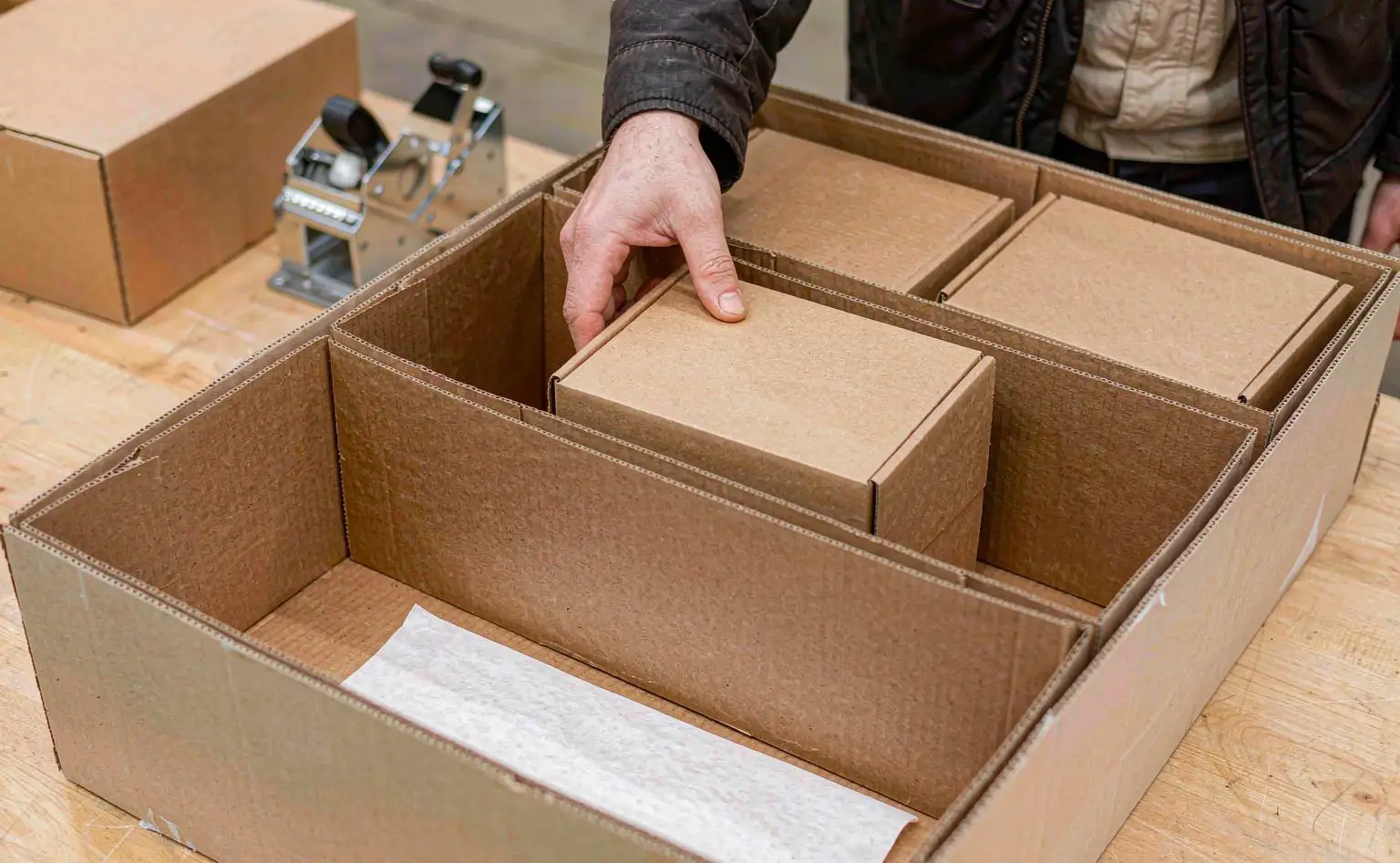
5. Boxing, cartoning and export
Risk at boxing sits in work in progress: bound books stack on pallets waiting for colour boxes and pick up moisture as shop humidity rises, and barrels bagged straight off the machine trap condensation when the bag is sealed before they cool. Bag books the day they are bound, raise the pallets, dehumidify the bench, and let barrels reach room temperature before bagging.
At packing, bag each unit, sheet the carton walls and layers, and put cartons on pallets 10cm off the floor and 10cm off the wall below 60% RH. For sea freight, container condensation does more damage than shop humidity, so leave an air path and keep cartons off the wall; see preventing container rain.
Release at three levels: paper books to GB/T 24346-2009, sampling one text leaf and one cover board; barrels to ASTM G21 or ISO 22196 for mould and antibacterial rating; complete sets for 30 days at 30℃/85% RH, opening to check fore edges, barrel surfaces and box walls.
6. Questions on sheets, fading and thin-wall brittleness
Q: With sheets in the books, do the barrels still need work?
Yes. The vapour only acts inside a sealed space and never reaches a barrel surface exposed in the box, and in one set the barrel sits against the cover, so barrel mould transfers onto it.
Q: Will the sheet fade a printed cover?
There is a risk. Poor dyes react to the vapour, which is why the trial at three times the dose comes first; high-value foil and spot-colour covers deserve a small trial pack before a full run.
Q: Does the powder make thin-wall barrels brittle?
At 0.5%-1.0% the effect in a normal PP recipe is small. Thin-wall parts and high-regrind recipes deserve a drop and flex sample to confirm toughness before fixing the band.
Four points to take away: sheet the books after binding and before bagging with iHeir-D at 0.1-0.2g of active matter per sheet, one per bagged copy and carton walls plus layers for bulk, after a trial at three times the dose; blend iHeir-JS117 into the barrel compound at 0.5%-1.0% before moulding, trialling clear and pale parts and going to 1.0% on high regrind; bag books the day they are bound, cool barrels before sealing and dehumidify the bench; store below 60% RH and leave an air path in the container. A 1kg sample of powder and a pack of sheets can go out for a trial first; MOQ and lead time are on the iHeir-JS117 product page.


