




 View Count:52
 Date:2026-09-04
“How do I choose antimicrobial agents for silicone and rubber?” is the question sourcing managers in baby goods, kitchenware, gym equipment and electronic seals keep asking — what to add, how much, and how to verify. A 2025 survey of the Dongguan silicone products cluster showed over 70% of silicone factories had faced customer returns for mold or failed antibacterial performance, mostly from choosing the wrong agent type or under-dosing. This guide walks you through material → form → process → testing so you get it right the first time.
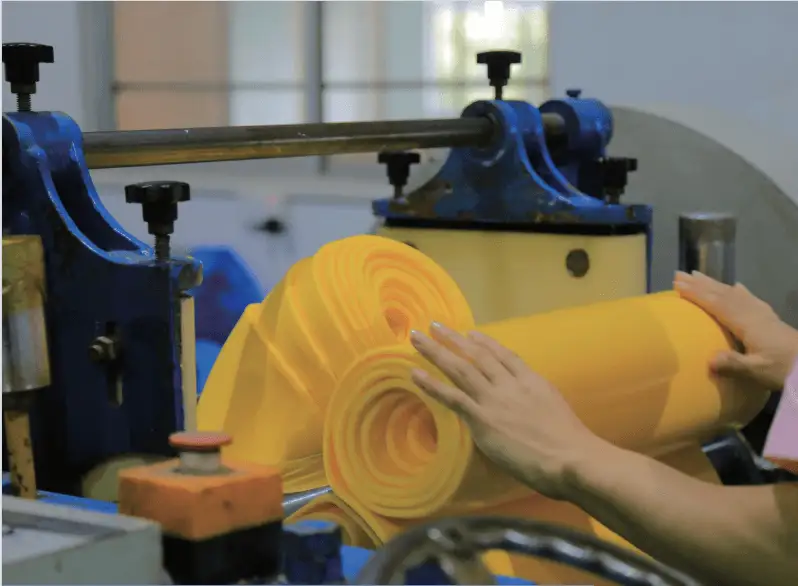
1 Know Your Substrate: Silicone and Rubber Are Different
People often mix up “silicone” and “rubber,” but they differ hugely for antimicrobial selection:
- Silicone: Si-O backbone, service range -40°C to 200°C+, chemically inert and biocompatible; used in pacifiers, tableware, kitchenware and medical tubing. Low surface energy makes dispersion inside the silicone essential for lasting effect.
- Rubber (natural rubber, EPDM, silicone rubber): seals, gaskets, gym handles, tire-related parts. Processing requires vulcanization (crosslinking) — the antimicrobial must not disturb the cure system.
Let the substrate decide the form: liquid silicone (LSR) takes paste/liquid agents for easy mixing; solid silicone and rubber take powder or masterbatch added during kneading. The wrong form causes agglomeration, migration or yellowing.
2 Type Comparison: Silver Pastes, Organics, Masterbatch
| Type | Example | Application | Feature |
|---|---|---|---|
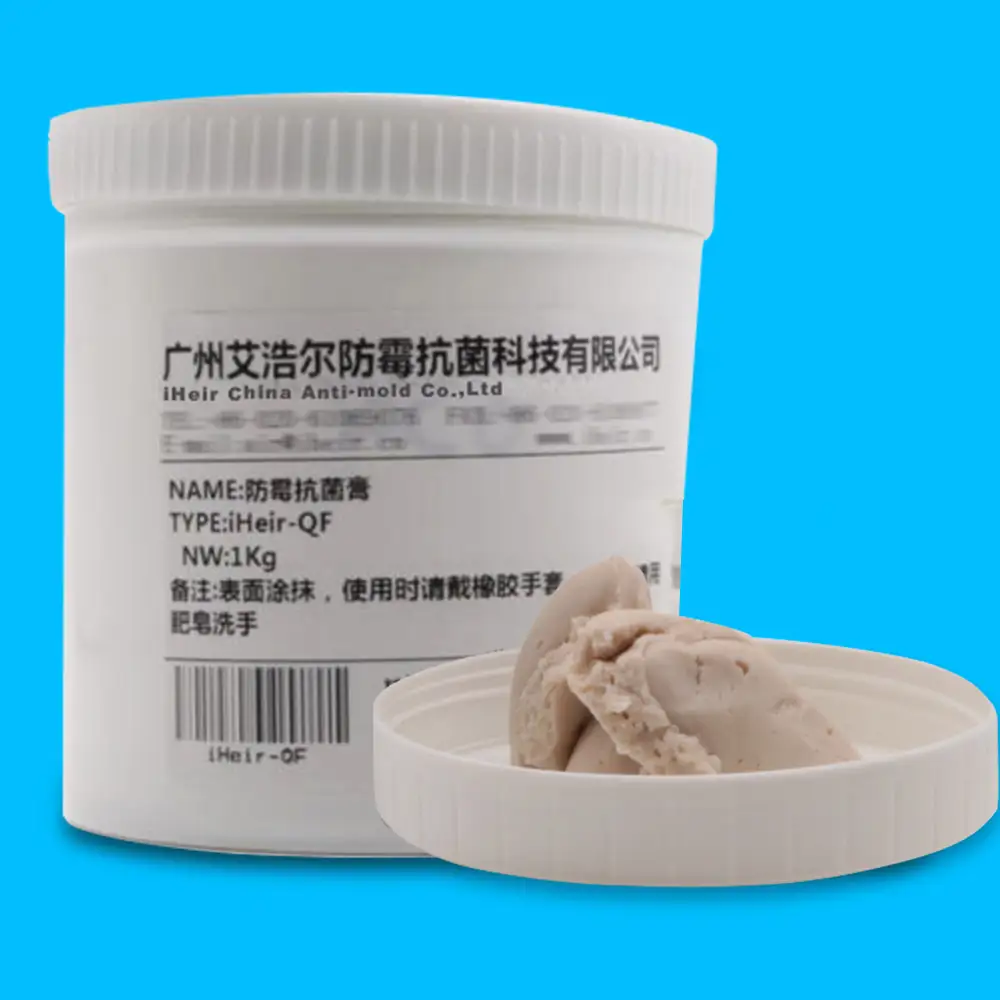
| Silver/zinc-ion paste | iHeir-GG907, iHeir-GGIPL | Silicone, silicone rubber kneading | Heat-stable to 200°C+, long-lasting, broad-spectrum |
| Organic agents | Biguanide (iHeir-PSE) etc. | Light-color, food-contact | Fast kill, but lower heat stability than inorganic |
| Masterbatch | Silver/zinc systems | Solid silicone, rubber extrusion | Even dispersion, easy dosing |
Key conclusion: dark or opaque silicone takes GG907; light and clear silicone (pacifiers, clear gaskets) takes a non-yellowing grade such as GGIPL, because some silver carriers yellow transparent silicone at high temperature. Product pages: iHeir-GG907 Silicone Rubber Antimicrobial Cream and iHeir-GGIPL Silicone Antibacterial Paste.
3 Dosing vs Process: Too Little Fails, Too Much Hurts Properties
More is not better. For GG907/GGIPL pastes the typical dose is 2%-4% of the total formulation; to exceed 99% antibacterial rate per ISO 22196, run a 1.5%/2%/3% gradient trial first. Three process points:
- Kneading temperature: add during open-mill/internal-mixer stage, below cure temperature; silicone cures at 150-180°C, which silver-ion grades tolerate well.
- Dispersion: pre-mix the paste with a small batch (master batch), then scale up, to avoid agglomerates that create unprotected zones.
- Cure compatibility: some organic agents interfere with peroxide curing — run a small trial to confirm cure time and Shore A hardness stay normal.
If your issue is mold on finished silicone rather than raw-material protection, first read Silicone Products Got Moldy? Usage Guide to separate cleaning from protection.
4 Testing & Compliance: A Report That Does Not Match Your Market Is Useless
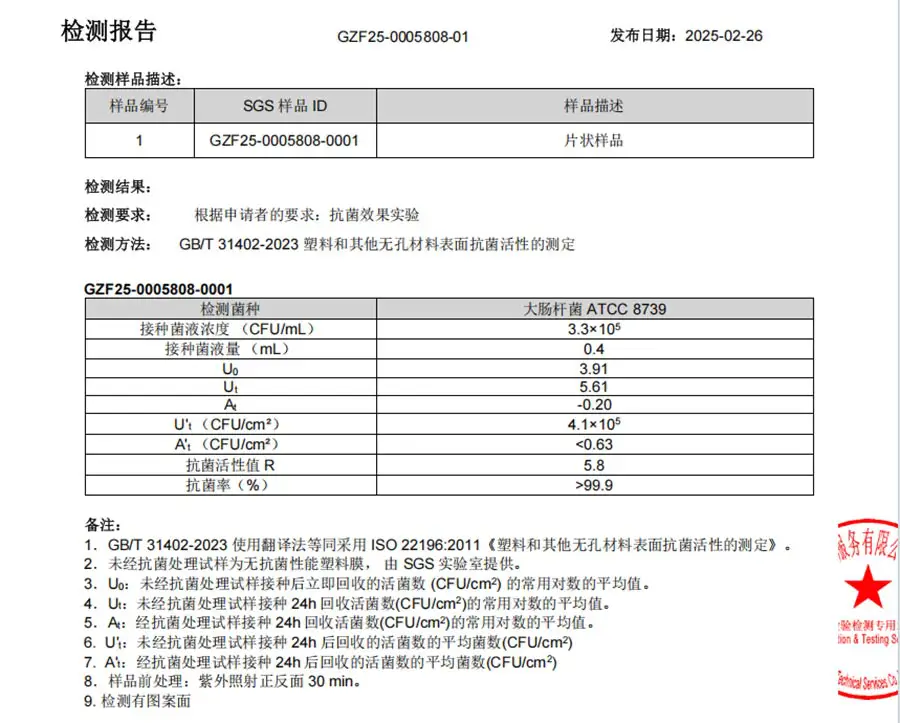
Antibacterial efficacy follows ISO 22196 (antibacterial on plastic and other non-porous surfaces) or GB/T 31402. The report should show ≥99% reduction of E. coli and S. aureus, with species, contact time (usually 24 h) and sample thickness stated.
Match export compliance to your target market:
- EU: food-contact silicone (pacifiers, kitchenware) per EU 10/2011 or LFGB migration; active biocides watch the BPR.
- US: food-contact rubber per FDA 21 CFR 177.2600 migration; EPA registration applies to antimicrobial claims.
- China: GB 4806 series for food-contact materials.
For baby and toy applications with combined antibacterial + anti-mold needs, see the handle-treatment thinking in Gym Equipment Antibacterial Solutions, and for rubber parts see Moldy Rubber Products: Agent Selection & Process Guide.
5 Real Case & Common Mistakes
Real case: A Dongguan silicone factory exporting baby pacifiers used a generic antimicrobial and hit two problems — clear pacifiers yellowed slightly after high-temperature curing (customer complaints), and the antibacterial rate stalled at 92%. After switching to GGIPL silicone antibacterial paste at 2.5%, transparency held, ISO 22196 rate reached 99.5%, and it passed LFGB migration — orders resumed. Three common mistakes: ① treating antimicrobial as anti-mold (different mechanisms, verify both); ② testing only kill rate, not discoloration; ③ skipping cure-compatibility trials before mass production.
FAQ — Silicone & Rubber Antimicrobial Questions
Q1: Can silicone antimicrobials be used in food-contact products?
A: Yes, but confirm the grade passes FDA/LFGB migration and no excessive migration into food; for pacifiers and tableware prefer silver/zinc inorganic grades and request the migration report.
Q2: Are antibacterial rate and mold resistance the same?
A: No. Antibacterial targets bacteria (E. coli, S. aureus) per ISO 22196; anti-mold targets fungi per GB/T 1741 or ASTM G21. Test separately — see Mold Inhibitor vs Antimicrobial Agent.
Q3: Is 1% dosing enough?
A: Usually not. 99% rate per ISO 22196 typically needs 2%-4% depending on form and surface area — run a gradient trial instead of guessing.
Q4: Will clear silicone yellow with antimicrobials?
A: Some silver carriers yellow clear silicone under high-temperature curing. For clear/light products pick a light-grade carrier (e.g. GGIPL) and run a 170°C cure discoloration test first.
Q5: How to verify received antimicrobial agent?
A: Request batch kill-rate sampling reports; for key orders retest at a third party per ISO 22196; keep retention samples for traceability.
Selecting antimicrobials for your silicone or rubber products? Tell us the substrate (silicone/LSR/EPDM), molding process and export market — contact us for selection advice and gradient sample support.