




 View Count:32
 Date:2026-11-13
Can helmet mould be prevented? Yes, but the two stages stay separate. The liner cloth sits against the scalp, where sweat and sebum are the food, so finishing has to happen before the foam is laminated on. The EPS liner is a closed-cell foam, and clipped into the shell while still damp it holds that moisture for months. Pad the liner with iHeir-BJ textile mildew inhibitor at 2%-3% o.w.f. and dose the foam compound with iHeir-FP foam antimicrobial agent at 0.5%-1.5%. This article gives the bath, foam addition and drying parameters.
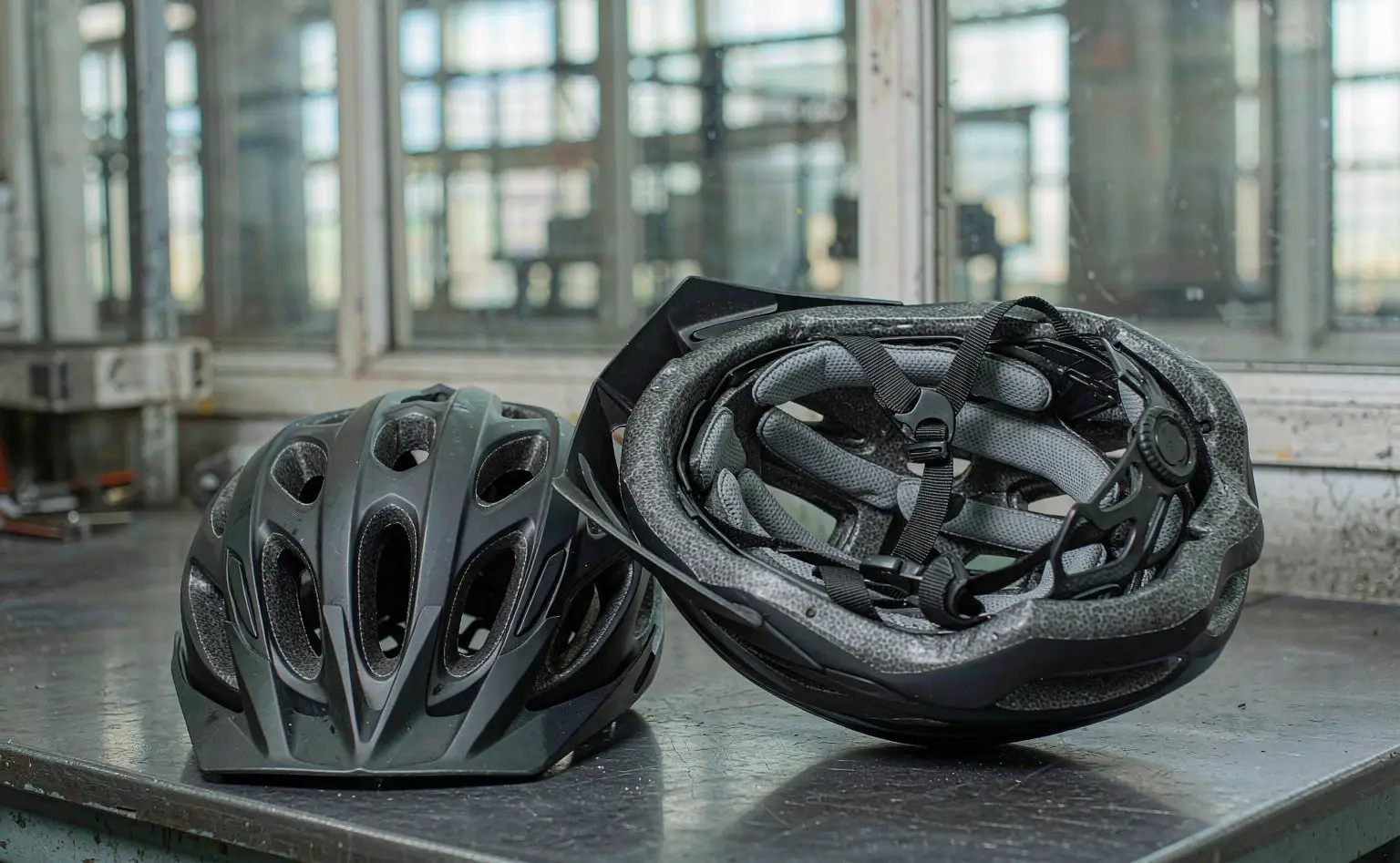
1. Three places on a helmet that mould: liner cloth, EPS, straps and buckles
Take a helmet apart: outer shell (ABS or PC), EPS liner, liner cloth laminated to foam, webbing and buckles, adjuster. Hard parts do not mould; what fails is the layer against the scalp and the foam behind it.
The liner cloth is the main front. Liners on cycling and motorcycle helmets are usually polyester or nylon knit, and they take up sweat and sebum. Worn once and bagged without drying, they smell within two or three days. Spots on the face wipe off; mycelium that has reached the seam and the foam interface does not.
Damp EPS is the hardest to catch. EPS is closed-cell, so water does not soak in, but condensate sits on the surface and in the cavity after moulding. Clip it into the shell wet and the moisture is sealed inside; six months later there is a ring of black spots on the liner and the buyer blames the compound.
Webbing is the channel. Nylon webbing takes up moisture far faster than the shell, sweat stays in the weave, and spots travel along the strap to the liner edge, which is the first thing an inspector picks up.
2. Making up the anti-mould bath: 2%-3% o.w.f. and three limits
Liner finishing happens before the foam is laminated on. Lamination uses adhesive, and once that layer is pressed down the liquor can no longer reach the back of the cloth, so the order cannot be reversed.
Dose on the weight of cloth. iHeir-BJ is used at 2%-3% o.w.f., which is 2-3 kg per 100 kg of cloth. Stir it into 9-13 times its volume of water first, then feed it to the trough in portions; a whole drum tipped in creates a local hot spot and an uneven hand.
Bath temperature and pH. Hold the bath at 21-50°C and pH 4.5-8.5, with around 6 the steadiest in production. Liner knits often contain elastane or low-elasticity yarn, so do not push the temperature; extend the time instead.
The cationic limit. iHeir-BJ is cationic and must not share a bath with anionic auxiliaries. An anionic softener or hydrophilic agent needs a separate pass, or a non-ionic or cationic grade. Set the mangle to 70% pick-up so the add-on stays steady.
3. The EPS liner: 0.5%-1.5% into the foam compound
This stage uses iHeir-FP foam antimicrobial agent at 0.5%-1.5% of the total foam weight. It is a clear, odourless liquid, stable across pH 1-11, added in the normal course of the foam process, and the antimicrobial rate reaches 99.99%.
Where it goes. Into the slurry or compound before pre-expansion, stirred even, then foamed. Adding it to the surface of finished beads achieves nothing: the active never reaches the cell walls and washes off at the first wipe.
Upper or lower end. Thick liners have little surface area for their volume, so 1%-1.5% is steadier; thin sections and light-coloured liners where shade matters start at 0.5%-1% and are checked on a small batch for colour and rebound. FP scores zero on skin irritation and zero on sensitisation, which is the right profile for a part worn against the scalp.
Check compatibility first. Catalysts and flame retardants in the foam system can interfere. Run 5 kg comparison samples and measure density, compression strength and rebound, then look at cell uniformity; if nothing has drifted, scale up.
| Part | Material | Product and level | Stage | Control point |
|---|---|---|---|---|
| Liner cloth | Polyester or nylon knit | iHeir-BJ 2%-3% o.w.f. | Before foam lamination | 21-50°C, pH 6, soft water |
| EPS liner | Expanded polystyrene | iHeir-FP 0.5%-1.5% | Compound before expansion | Of foam weight, trial first |
| Webbing and buckles | Nylon webbing, POM | Dried with the liner | Before sewing | No moisture at the needle |
| Assembly | Shell, EPS, liner | No further treatment | Clipping | Liner moisture to spec |
One boundary. iHeir-BJ covers the liner cloth and the seam thread and keeps working from inside the fibre after drying; iHeir-FP covers the foam itself along the cell walls. Finish the liner and skip the foam and the growth starts on the EPS; do both and clip while damp and both are wasted.
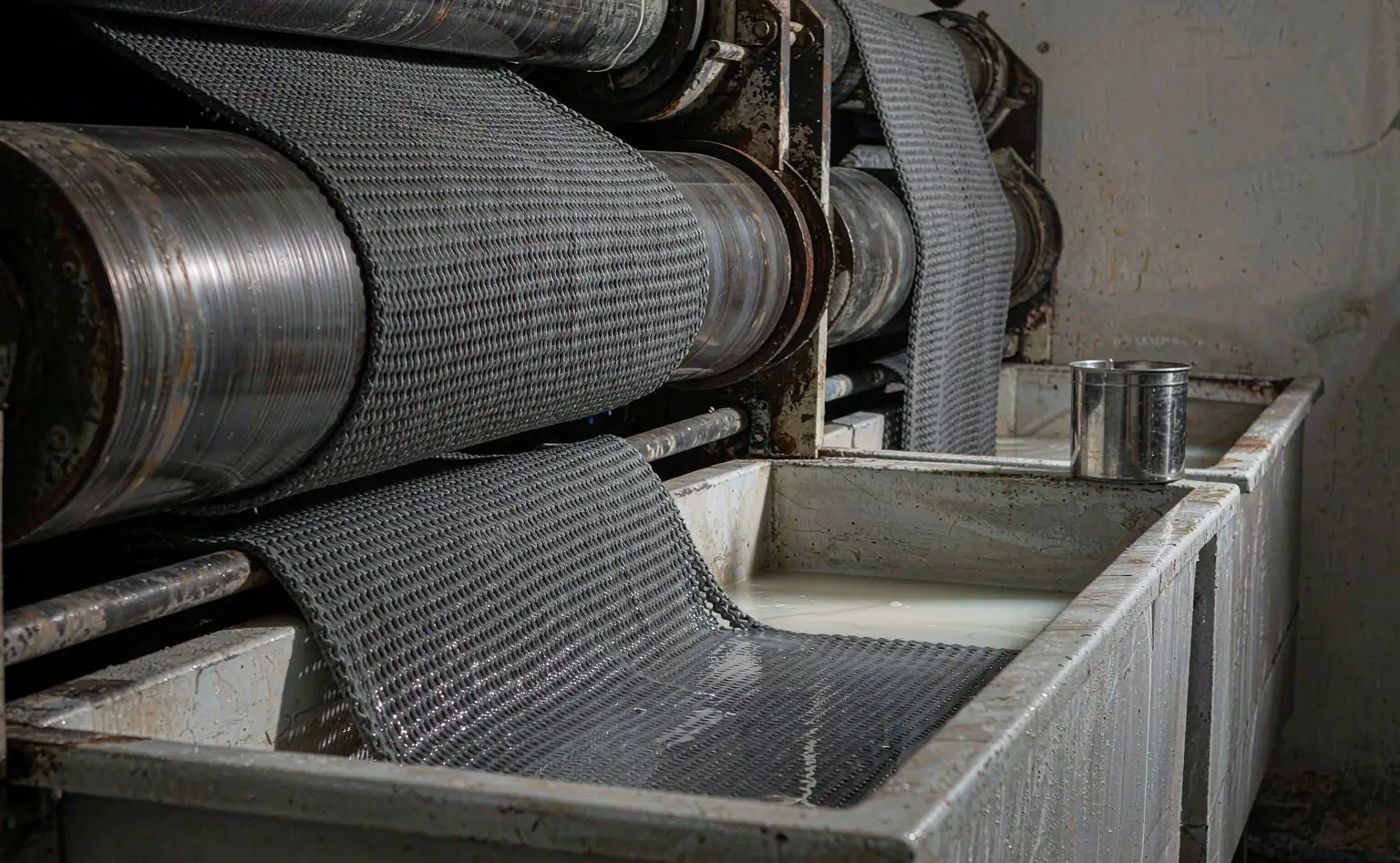
4. Drying and clipping: moisture off spec wastes the whole run
This section carries no product, and it is where helmet plants rework the most.
Dry the liner cloth through. After finishing, dry to under 8% moisture before laminating. The laminating adhesive carries water of its own, and once the layer is pressed on that water can only leave through the cloth face.
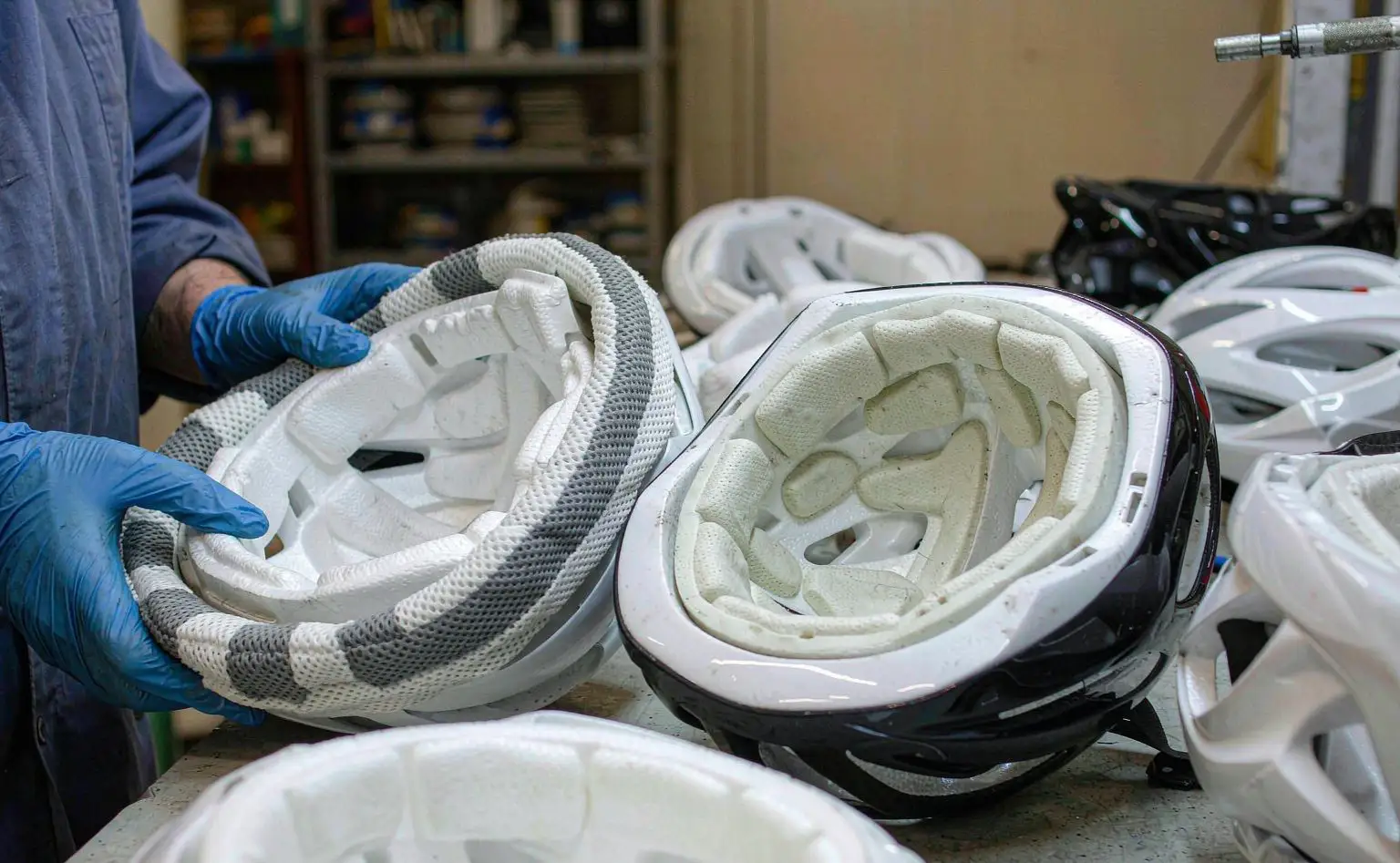
Let the EPS mature. Moulded liners need 24-48 hours of maturing so residual blowing agent and moisture can escape. Clip early and the water is trapped between shell and liner with nowhere to go.
Check before clipping. Weigh and hand-check 3-5 pieces per batch and re-dry anything off weight. If there is condensate on the inside of the shell, wipe it dry rather than waiting for it to evaporate.
Shop conditions. Hold the assembly area at 45%-65%RH, run a dehumidifier in the humid season and never leave liners and webbing out overnight, since the night-time temperature drop condenses water back into them.
5. Assembly, packing and export
Do not trade away bond strength. Liners are glued or clipped to the EPS, so run a peel test on treated cloth first, in the manner of GB/T 7124, and confirm the bond has not dropped. Helmets are type-tested to GB 811-2022 or EN 1078 for impact absorption and retention system strength, and no chemical treatment should move either number, so test a small batch before scaling.
Keep the packing dry. Bag the finished helmet in non-woven or PE, keep the bag dry and use virgin board for the colour box insert: recycled board carries spores of its own and is a contamination source.
Storage and export. Hold the finished store below 60%RH, stand helmets upright without stacking, line the container for full-container shipments and smell every liner before loading. The same lesson on damp foam is set out in basketball bladder drying before covering, and plush liner finishing in cat tree plush fabric in one bath.
6. Questions from the line
Q: The liner is finished, does the foam still need the additive?
A: Yes. The liner covers cloth and the additive in the foam covers the foam body; they are different materials and one cannot cover the other.
Q: Why use both a fungicide and an antimicrobial here?
A: The fungicide targets mould, the antimicrobial targets bacteria and the odour they cause. A helmet has both problems, from sweat and sebum.
Q: How much difference does 0.5% against 1.5% make?
A: Three times the add-on. Thick liners run 1%-1.5%; thin sections and light colours run 0.5%-1%, set by part type on the process card.
Q: A liner already shows black spots, is it still usable?
A: The surface cleans up, but mycelium inside the cell walls does not, and the spots return. Downgrade the batch rather than mixing it into first-quality stock.
Four closing points: before laminating, run the liner cloth with iHeir-BJ at 2%-3% o.w.f. pre-mixed into 9-13 times its volume of water, at 21-50°C and pH 6 in soft water, never with anionic auxiliaries, padded at 70% pick-up; dose the EPS compound with iHeir-FP at 0.5%-1.5% of foam weight before expansion and run 5 kg of comparison samples for rebound and cell structure; dry the liner under 8% before laminating, mature moulded liners 24-48 hours and weigh-check before clipping; hold the assembly area at 45%-65%RH, keep the store below 60%RH and line the export container. Performance can be verified to GB/T 24346, ASTM G21 or ISO 22196, a one-kilogram sample can be sent ahead, and lead times are on the iHeir-FP product page.


